The Philippine culinary scene is undergoing a quiet revolution in 2026 as indigenous vegetables—long ignored as ordinary backyard crops—take center stage in the healthy eating movement. Nutrient-dense plants like malunggay (Moringa), saluyot (jute mallow), and pako (fiddlehead fern) are now celebrated as climate-resilient superfoods that bridge tradition and modern wellness.
The Nutritional Power of Forgotten Greens
Malunggay leaves contain more vitamin A than carrots, more calcium than milk, and more iron than spinach on a per-gram basis. Saluyot provides high levels of folate, magnesium, and dietary fiber, while pako offers omega-3 fatty acids and antioxidants rarely found in leafy greens. These crops grow abundantly in tropical climates with minimal water and fertilizer, making them accessible to both rural farms and urban container gardens. In 2026, local nutritionists emphasize that one cup of cooked malunggay provides nearly 100% of the daily recommended vitamin A for adults.
Why 2026 Is the Year of Indigenous Vegetables
According to the DOST-FNRI 2026 Philippine Nutrition Survey (https://www.fnri.dost.gov.ph/), consumption of indigenous vegetables increased by 23% from 2023 to 2026, with the sharpest rise among urban households in Metro Manila and Cebu. The same survey reported that families who included pako or saluyot in at least three weekly meals had 18% higher total dietary fiber intake and 15% lower prevalence of vitamin A deficiency compared with non-consumers. This data has encouraged local governments to expand urban farming programs.
From Backyard Gardens to Urban Menus
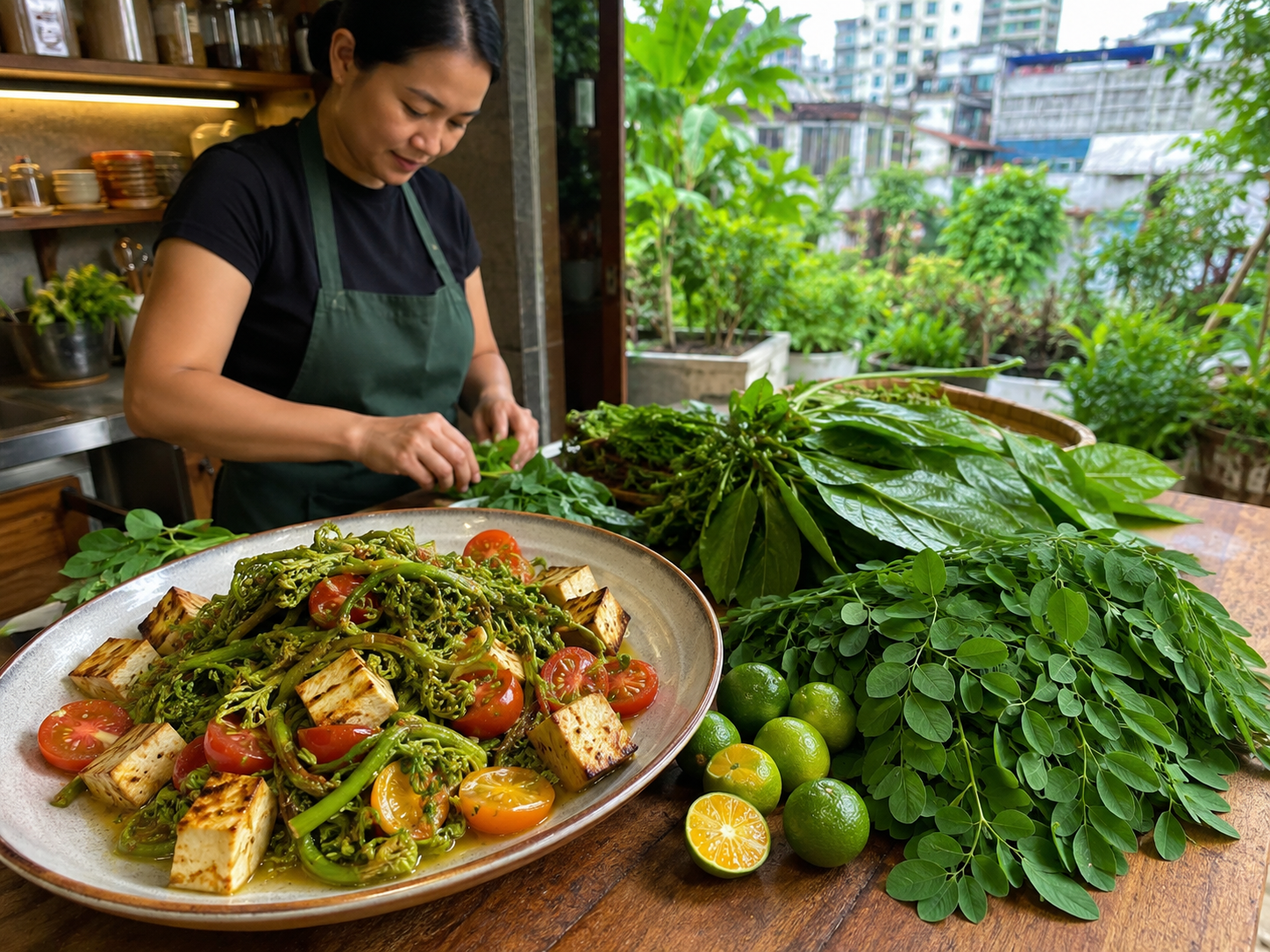
In Quezon City, the “Gulayan sa Barangay” initiative has transformed vacant lots into community gardens supplying fresh saluyot and malunggay to nearby restaurants. Chef Maria Santos of Luntian Restaurant in Diliman features a pako salad with calamansi vinaigrette, cherry tomatoes, and grilled tofu—an appetizer that has become the establishment’s bestseller. Social media hashtags like #IndigenousVeggiePH and #SaluyotChallenge have amassed over 2 million posts in 2026, showing home cooks experimenting with these ingredients.
Culinary Innovation Without Losing Heritage
Traditional dishes like dinengdeng (Ilocano vegetable stew) and bulanglang (Tagalog boiled vegetables) are being updated for health-conscious diners. Instead of boiling vegetables until soft—which destroys heat-sensitive vitamins—modern cooks use quick steaming, blanching, or raw preparations. Pako is now commonly served raw as a salad base, while saluyot is added to soups at the last minute to retain its mucilaginous texture and folate content. Malunggay powder has become a popular addition to smoothies, pancakes, and even artisanal bread.
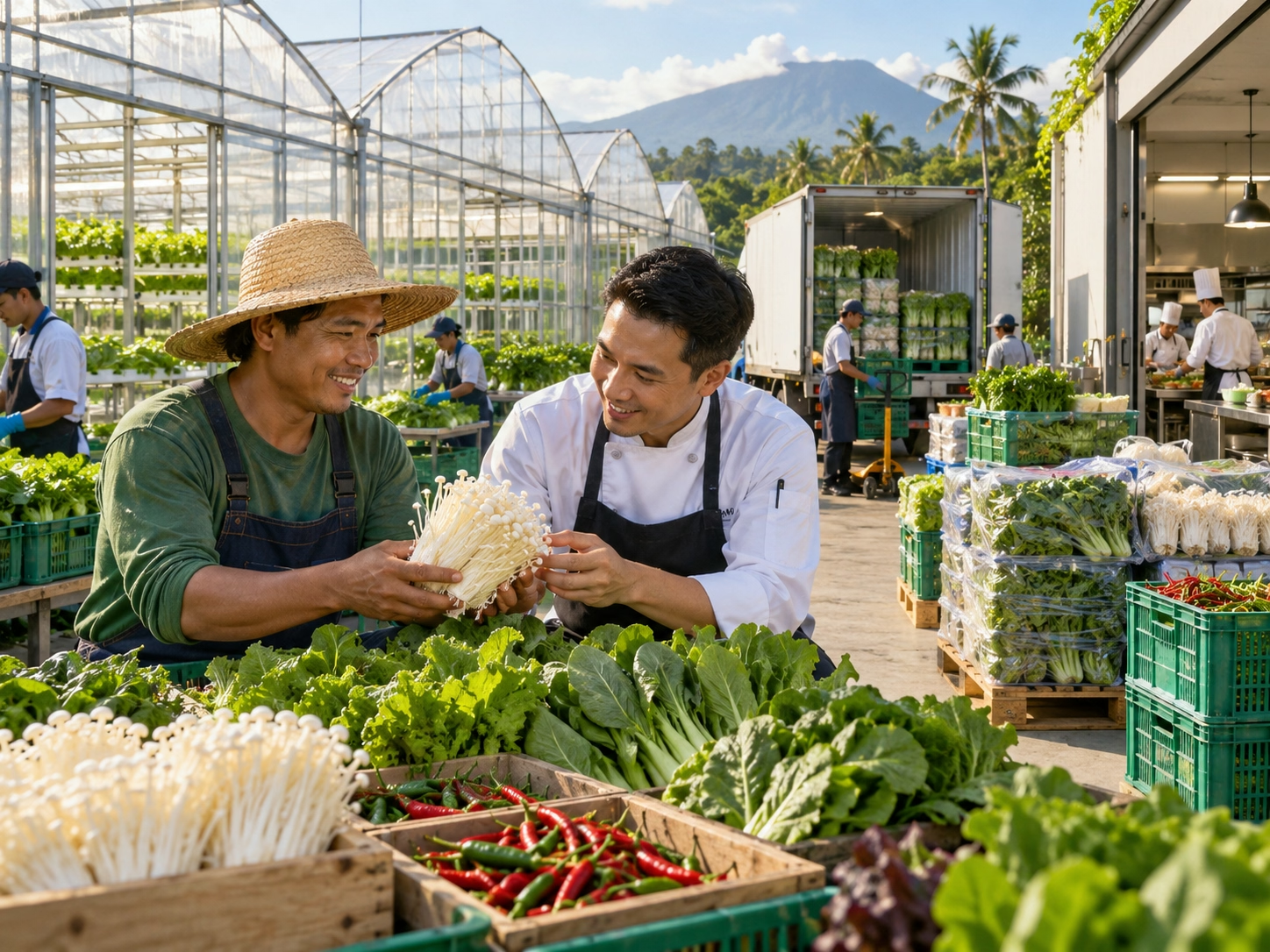
The commercial sector has responded quickly. Several food delivery apps in the Philippines now offer “indigenous vegetable boxes” containing pre-portioned malunggay, saluyot, pako, and native spinach with recipe cards. This convenience is driving adoption among busy professionals who want healthy options without sacrificing time. Nutritionists caution that while these vegetables are powerful, they should complement a balanced diet rather than replace other food groups. The DOST-FNRI recommends pairing iron-rich saluyot with vitamin C sources like calamansi to enhance absorption. As more Filipinos reconnect with their agricultural heritage, the blend of tradition and science points toward a stronger, healthier population well beyond 2026.
About the Author