
The intersection of traditional Filipino clothing and modern fashion represents a unique cultural fusion that has enriched the global fashion landscape. As Filipino fashion evolves, the importance of preserving traditional garments while integrating them into contemporary styles has never been clearer. Iconic pieces like the Barong Tagalog and Terno have become more than just ceremonial attire; they are essential to the development of modern Filipino fashion, and they’re also being embraced internationally.
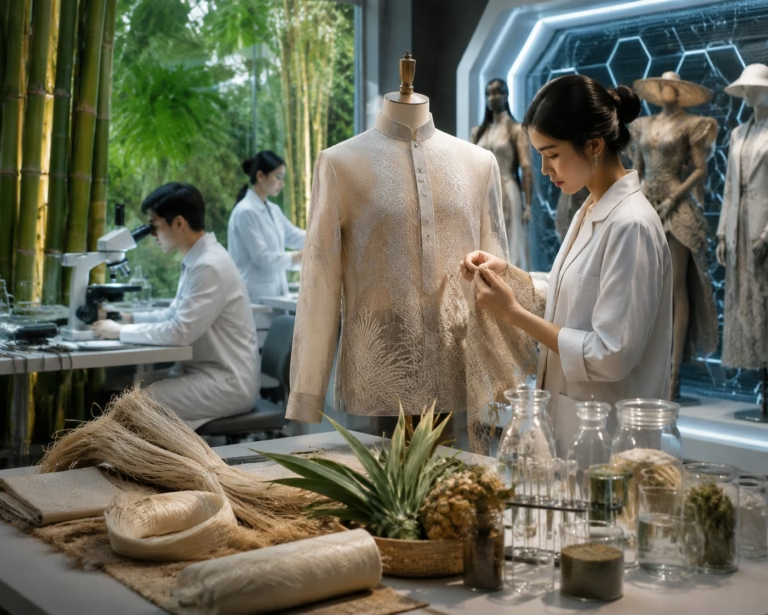
The Barong Tagalog is perhaps the most well-known traditional Filipino garment, recognized for its elegant embroidery and lightweight material. Traditionally worn by men, the Barong is now reinterpreted in various ways by designers who seek to merge the past with the present. From creating minimalist, modern versions that focus on the intricate details of the embroidery to reimagining it for a younger, more fashion-forward audience, the Barong Tagalog is making its way into both casual and semi-formal wardrobes.
The Terno, with its distinctive butterfly sleeves, is another iconic garment that has found new life in modern fashion. While its formality and grandeur once made it a staple for the wealthy elite, it is now being adapted into contemporary fashion with sleeker silhouettes and updated fabrics. This evolution of the Terno shows how traditional Filipino clothing is flexible enough to stay relevant in the ever-changing world of fashion.
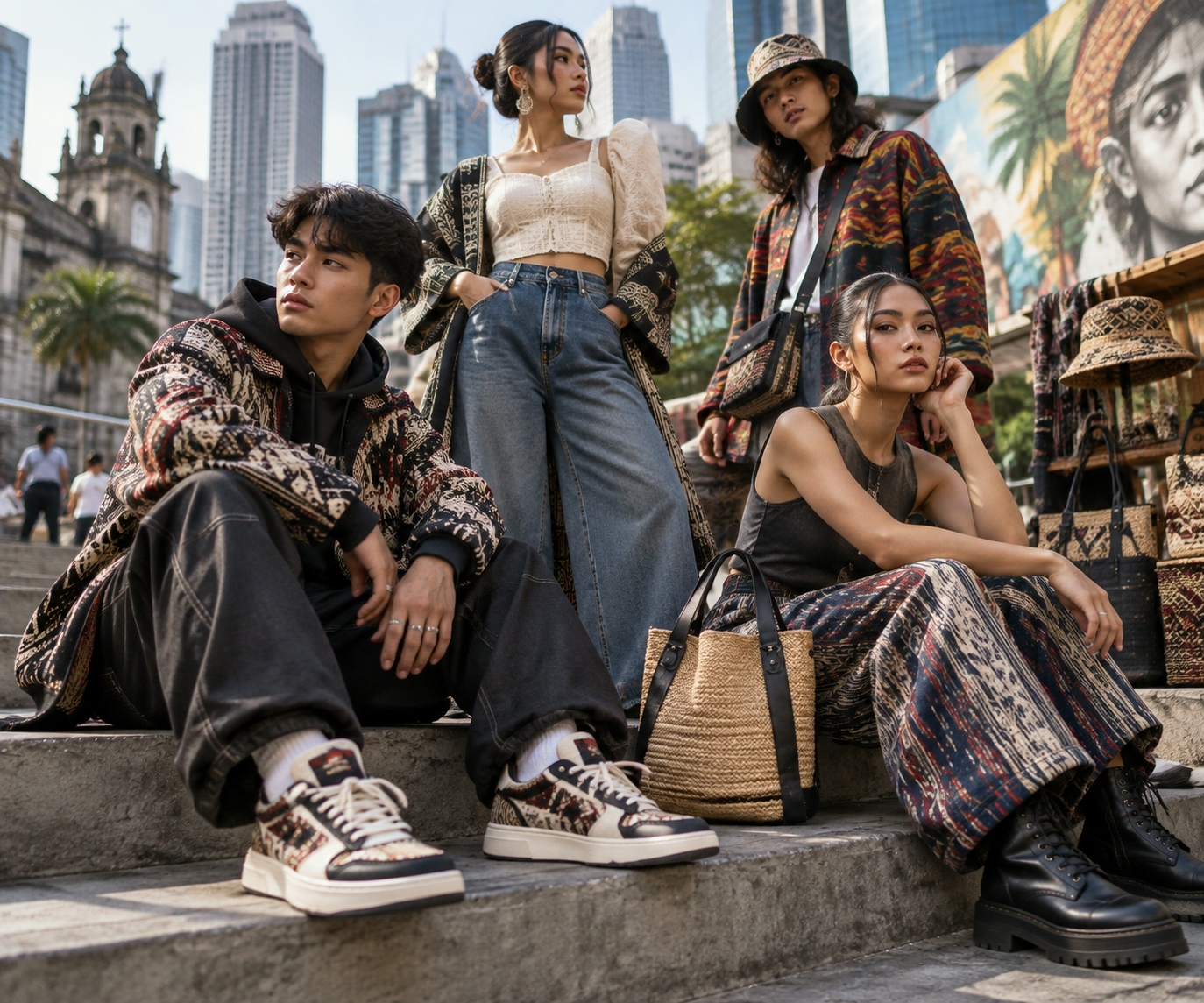
In addition to these garments, the use of indigenous Filipino fabrics such as piña, abaca, and inabel has found a place in modern fashion. These textiles, once reserved for traditional and ceremonial wear, are now being incorporated into ready-to-wear collections, bringing the work of Filipino artisans into the mainstream fashion industry. These fabrics are praised not only for their beauty and durability but also for their cultural significance, as they are handwoven using centuries-old techniques.
Designers like Rajo Laurel and Josie Natori have been at the forefront of integrating traditional Filipino clothing into contemporary fashion. These designers have found a way to balance tradition with modernity, crafting pieces that both honor Filipino heritage and appeal to a global audience. By using traditional techniques in their work, they’ve also sparked international interest in Filipino fashion, helping to put the Philippines on the map as a significant player in the global fashion scene.
Ultimately, the role of traditional Filipino clothing in modern fashion is a testament to the timeless appeal of Filipino craftsmanship. These garments and textiles transcend their historical origins to become dynamic pieces that reflect both cultural pride and innovative design. Through these modern reinterpretations, Filipino fashion continues to bridge the gap between tradition and contemporary trends, influencing global fashion while remaining deeply rooted in the country’s rich cultural history.
About the Author