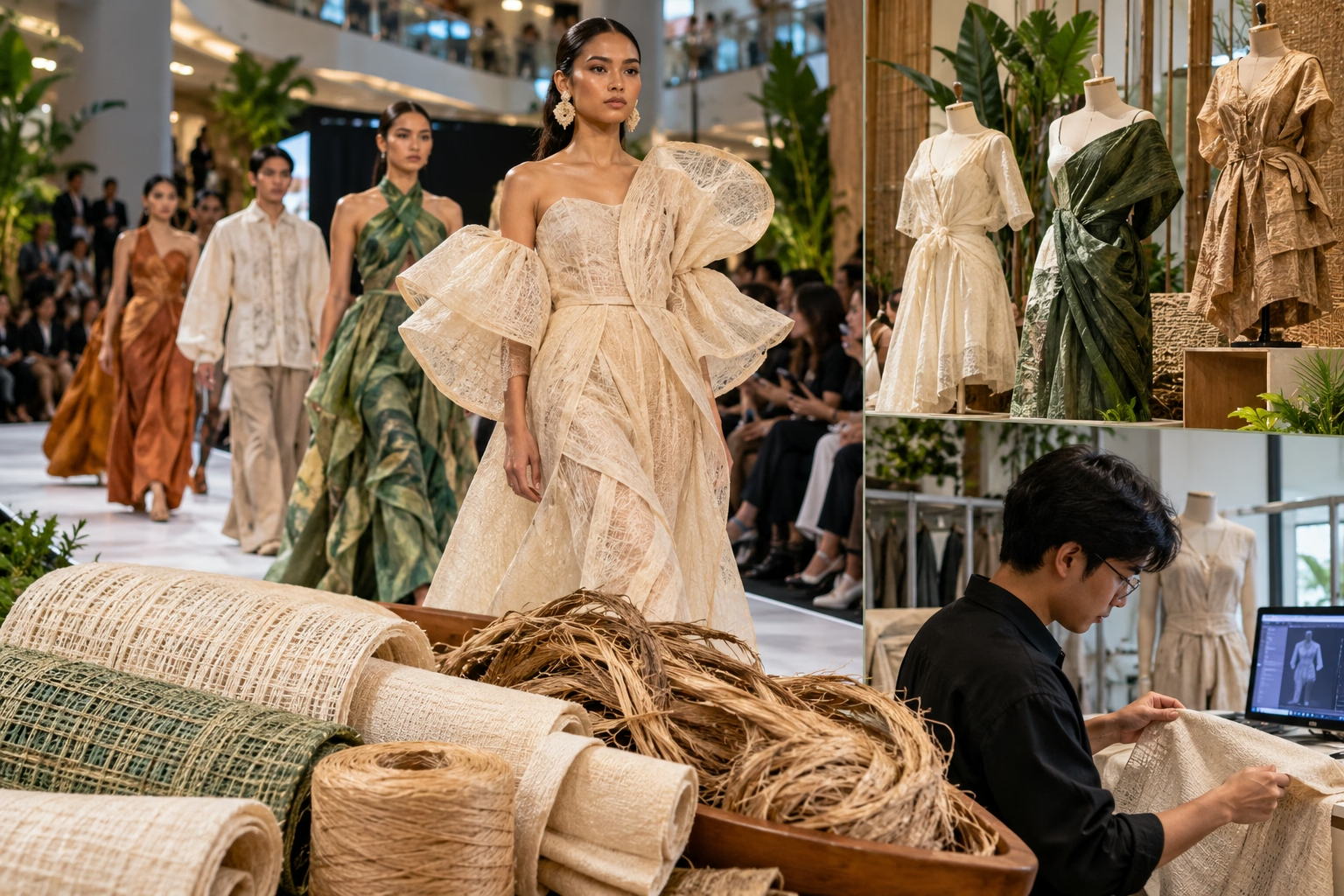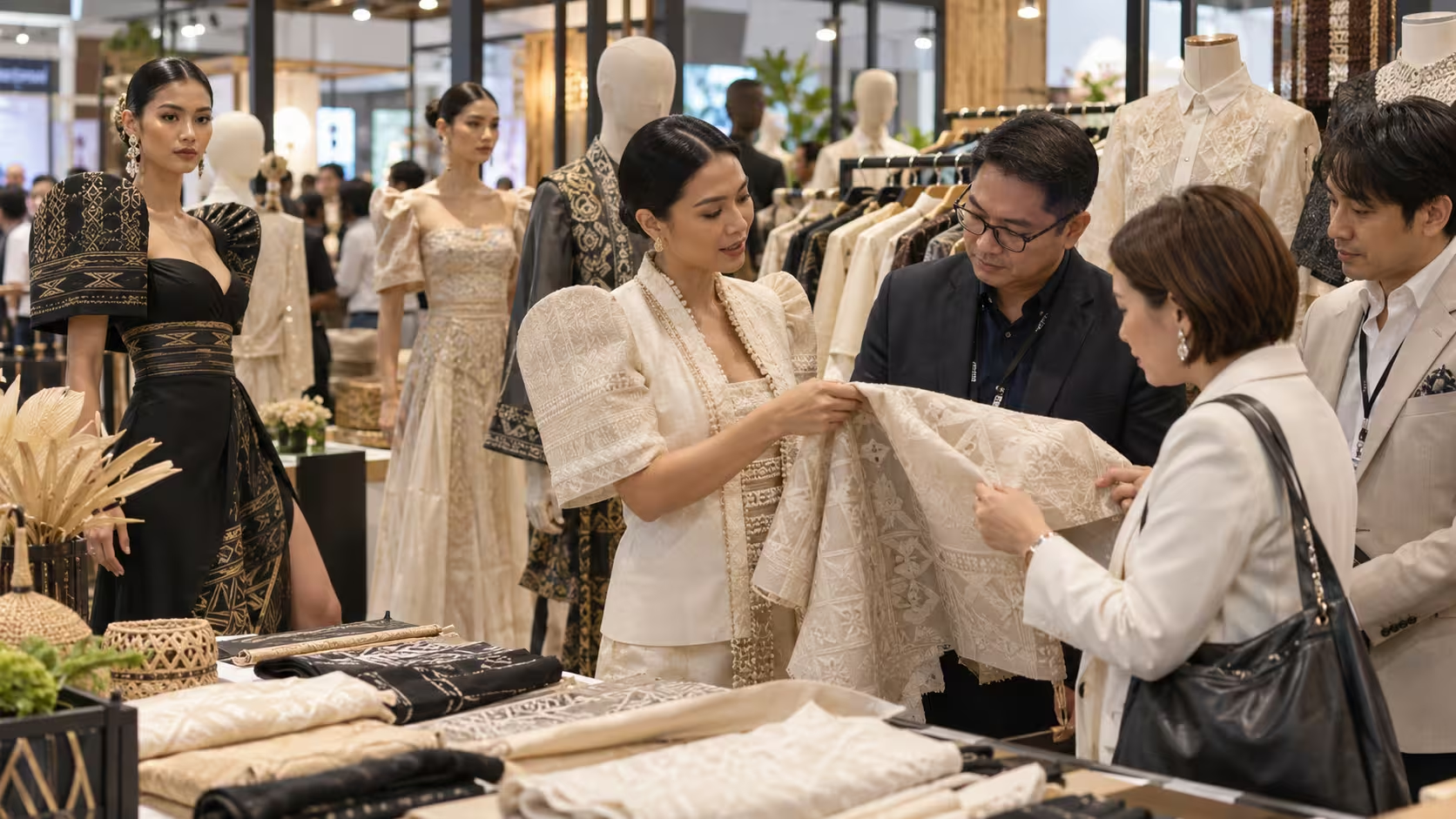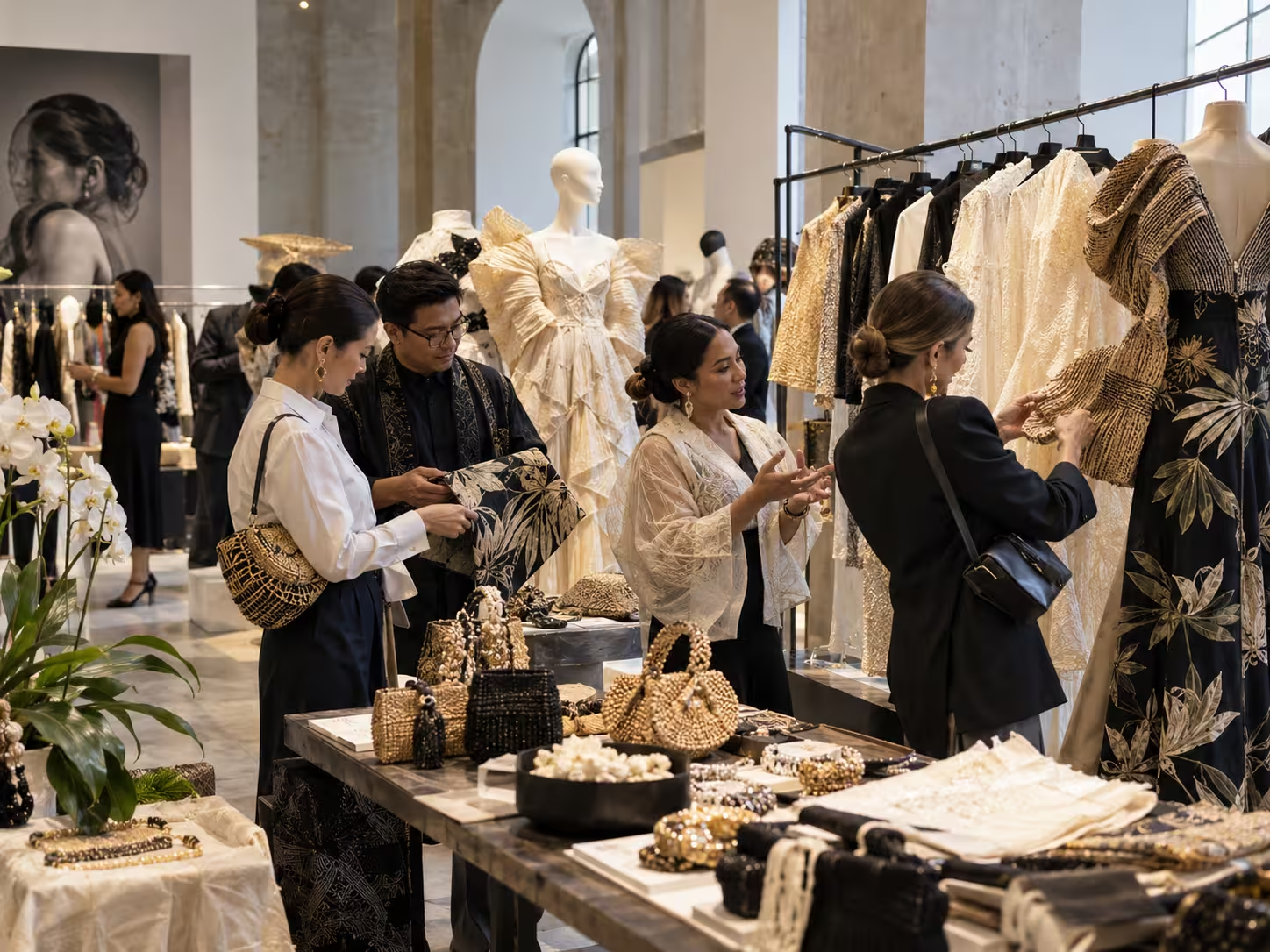
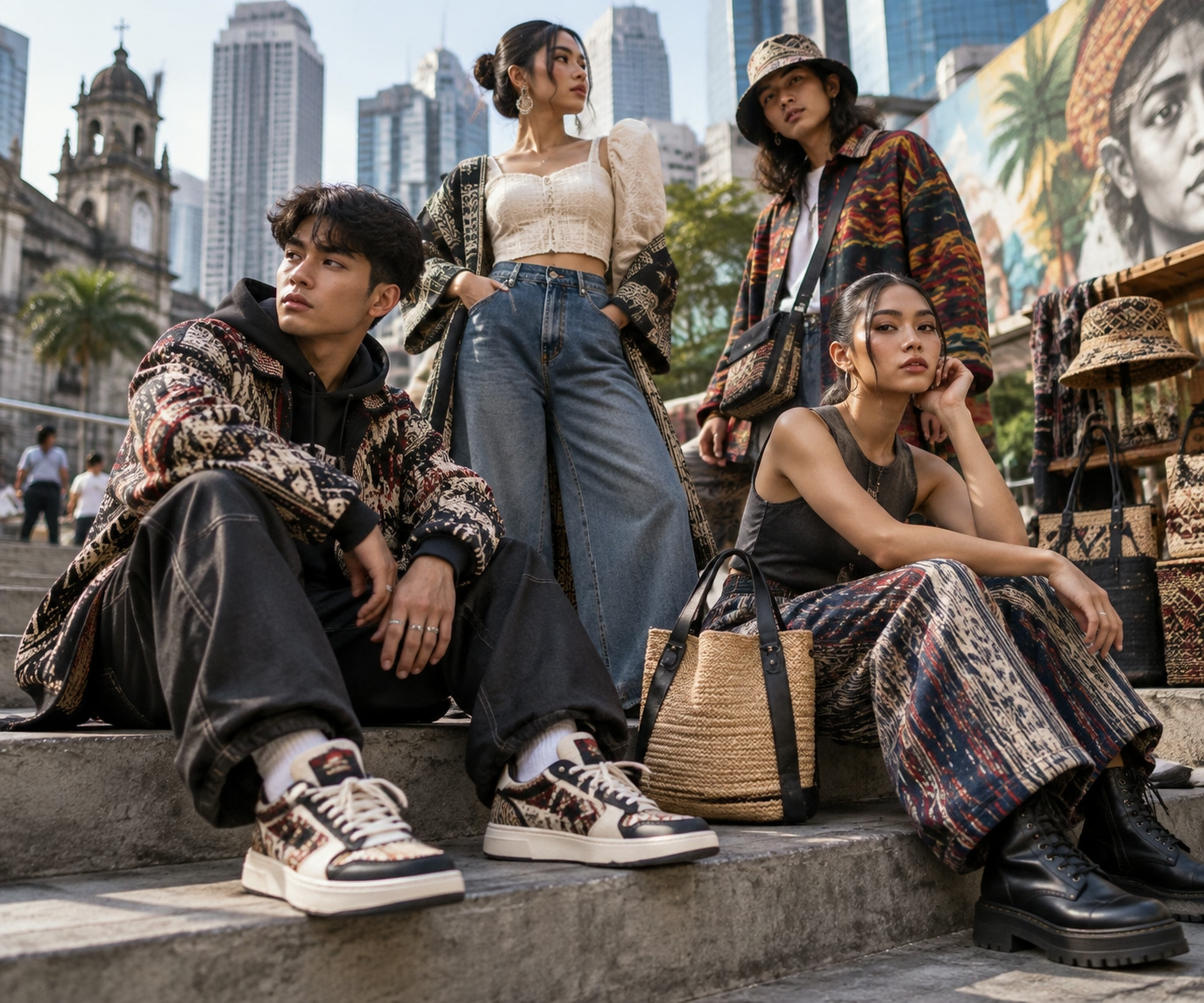
The global fashion landscape in 2026 is witnessing a significant pivot towards authenticity and sustainability, and at the heart of this movement is the Philippines. No longer relegated to tourist souvenirs or ceremonial wear, local textiles—specifically Piña (pineapple fiber) and Abaca—are being redefined as high-fashion materials. This shift is not just a trend but a robust economic driver, positioning the Filipino artisan on the world stage.
The Rise of the “Quiet Luxury” Fiber
In a market saturated with synthetic fast fashion, the “quiet luxury” trend has found its perfect match in Philippine weaves. Piña, known for its delicate, sheer texture and natural sheen, is notoriously labor-intensive to produce. In 2026, designers are moving away from heavy embellishments and allowing the raw texture of the cloth to speak for itself. We are seeing tailored blazers, structured evening gowns, and minimalist bridal wear crafted from Piña blends, offering a breathable alternative to silk that carries a lower carbon footprint. The intrinsic imperfections of handloomed fabric are now celebrated as markers of value, a stark contrast to machine-made uniformity.
Regional Weaving Hubs Fueling the Industry
While the fabric is the star, the geographic diversity of the Philippines provides a rich tapestry of designs. In 2026, the focus is on hyper-localization. In the Cordillera region, the intricate backstrap weaving of the Ifugao and Kalinga communities is being applied to contemporary streetwear silhouettes. Meanwhile, the vibrant silk of the Visayas and the T’nalak of the T’boli people in Mindanao are seeing a resurgence through capsule collections. The Philippine Textile Research Institute (PTRI) has been pivotal in this ecosystem, working on fiber blending technologies that make these indigenous materials more durable for daily wear without compromising their cultural integrity.
Economic Impact on Artisan Communities
A crucial aspect of this trend is the direct-to-weaver economic model. In previous years, middlemen often absorbed the profits; however, 2026 has seen the rise of social enterprises that utilize e-commerce to connect remote weaving communities directly with urban consumers and international buyers. These platforms ensure that the premium price of handwoven textiles is reflected in the wages of the weavers. According to data from the Department of Trade and Industry (DTI), the export value of Philippine handwoven goods has seen a steady increase, driven largely by the demand for sustainable and ethical luxury items in the European and North American markets.
Styling the Future
The versatility of these fabrics is key to their longevity. Designers are encouraging consumers to treat Piña and Abaca not as fragile heirlooms but as living textiles. Natural dyes derived from indigenous plants like indigo, achuete, and taro leaves are being used to create palettes that range from earthy neutrals to bold, unexpected neons. The fusion of traditional weaving with modern dyeing techniques and cutting has resulted in a truly unique aesthetic that is distinctly Filipino yet universally appealing.
For further insights into the government’s support for this sector, you can review the current statistics and programs published by the DTI’s Fair Trade Enforcement Bureau, which actively monitors the promotion of local weaves: https://www.dti.gov.ph/
About the Author