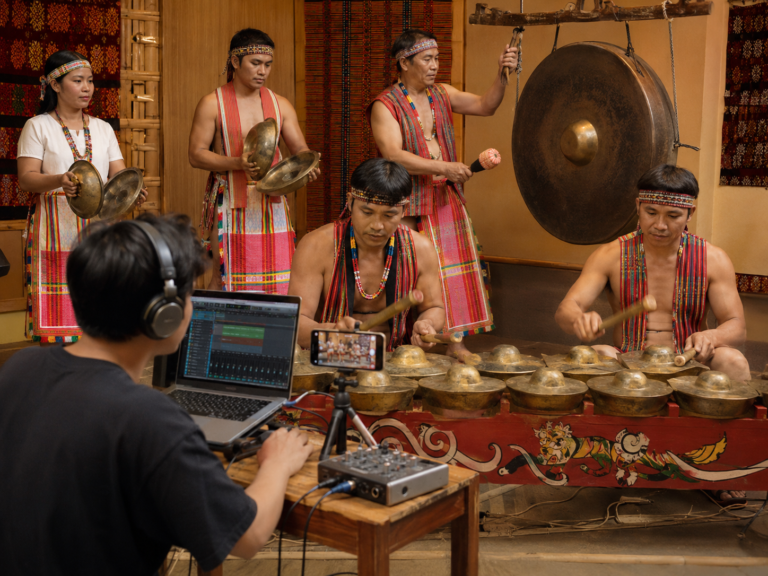

Traditional Filipino music is an indispensable element of the cultural landscape of the Philippines. It is a rich and diverse art form that captures the essence of the country’s history, traditions, and way of life. From the distinct sounds of indigenous instruments to the fusion of foreign influences, Filipino music continues to play a vital role in connecting the people of the Philippines with their cultural heritage.
The Philippines is home to numerous indigenous groups, each with its own unique musical traditions. These musical forms are deeply intertwined with the lives of the people, serving as a reflection of their values, beliefs, and social structure. One of the most well-known examples of Filipino traditional music is the kulintang ensemble, which consists of gongs played in intricate, interlocking rhythms. This ensemble is particularly common in the southern regions of the Philippines, such as Mindanao, where it is used in various ceremonial and social events.
The use of indigenous instruments in Filipino music is central to its cultural significance. Instruments such as the agung, a large gong, the bandurria, a stringed instrument, and the bamboo flutes, are not only tools for creating music, but also carry symbolic meaning. These instruments are often associated with specific regions and ethnic groups, and their sounds evoke memories of the past, offering a direct connection to the traditions of the people.
Traditional Filipino music also reflects the influence of foreign colonization, particularly Spanish rule. During the Spanish colonial period, European instruments such as the guitar, violin, and mandolin were introduced to the Philippines. These instruments, combined with Filipino lyrical styles, led to the development of new musical genres, such as kundiman, a traditional love song that blends Western melodies with Filipino lyrics. This cultural exchange gave rise to new forms of musical expression, which further enriched the nation’s musical heritage.
The role of music in Filipino culture extends beyond entertainment. It is used in various life events and ceremonies, from weddings and harvest festivals to funerals and religious observances. In these contexts, music serves as a medium for expressing emotions, reinforcing community bonds, and celebrating shared experiences. Music is also an essential part of Filipino storytelling, with many traditional songs containing elements of folklore, history, and social commentary.
Furthermore, music has been an important educational tool in Filipino society. Songs have been passed down through generations as a way of teaching children about their culture, values, and history. Many of these songs are in indigenous languages, which play a crucial role in preserving linguistic diversity. By learning these songs, younger generations are not only exposed to the beauty of Filipino music but also become part of a living tradition that transcends time and place.
As modern influences continue to shape the Philippines, traditional music faces the challenge of adaptation and preservation. However, there is a growing movement to protect and revitalize these musical traditions. Filipino musicians are increasingly blending traditional sounds with contemporary genres, creating a fusion that appeals to both local and global audiences. Additionally, cultural organizations and institutions are dedicated to preserving traditional Filipino music through performances, education, and archival efforts.
In conclusion, traditional Filipino music is more than just a form of artistic expression; it is a vital part of the country’s cultural heritage. It connects Filipinos to their past, reinforces social cohesion, and ensures the survival of cultural traditions for future generations. By embracing both the old and the new, traditional Filipino music will continue to thrive and inspire future generations of Filipinos and the world.
About the Author