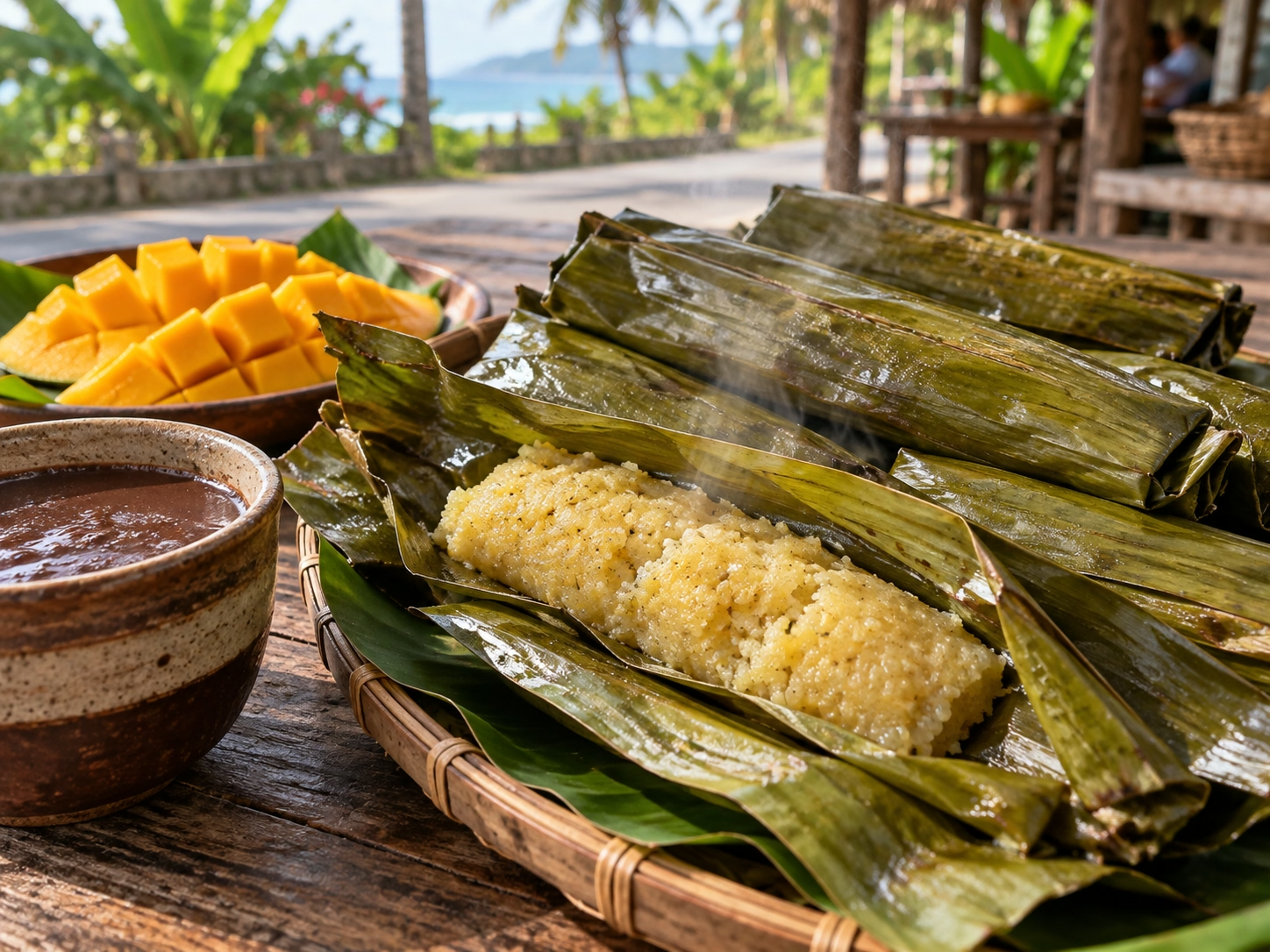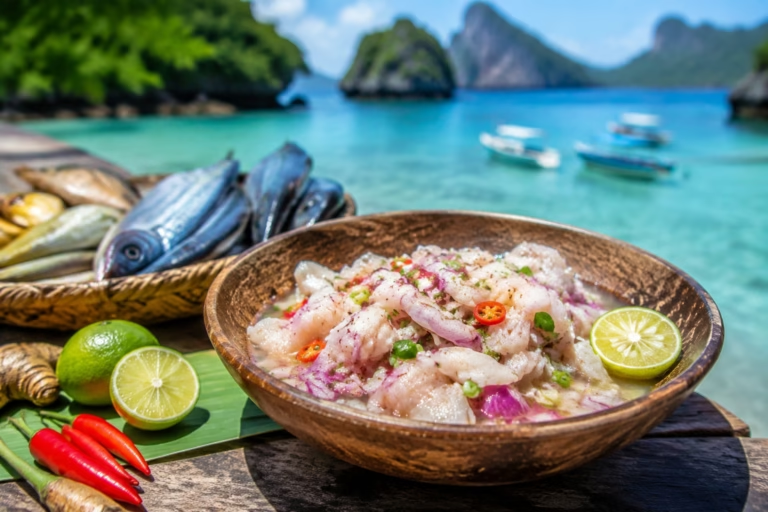
In the Philippines, food is not just about sustenance but an essential part of culture, reflecting the country’s rich history, diverse traditions, and vibrant agricultural landscape. At the heart of Filipino cuisine is the significant role of farmers and local produce. The food that graces Filipino tables is largely influenced by the agricultural practices and local ingredients available to the country. This intricate relationship between farmers and the culinary world goes beyond simple food production, contributing to the preservation of culture and promoting sustainability in food systems.
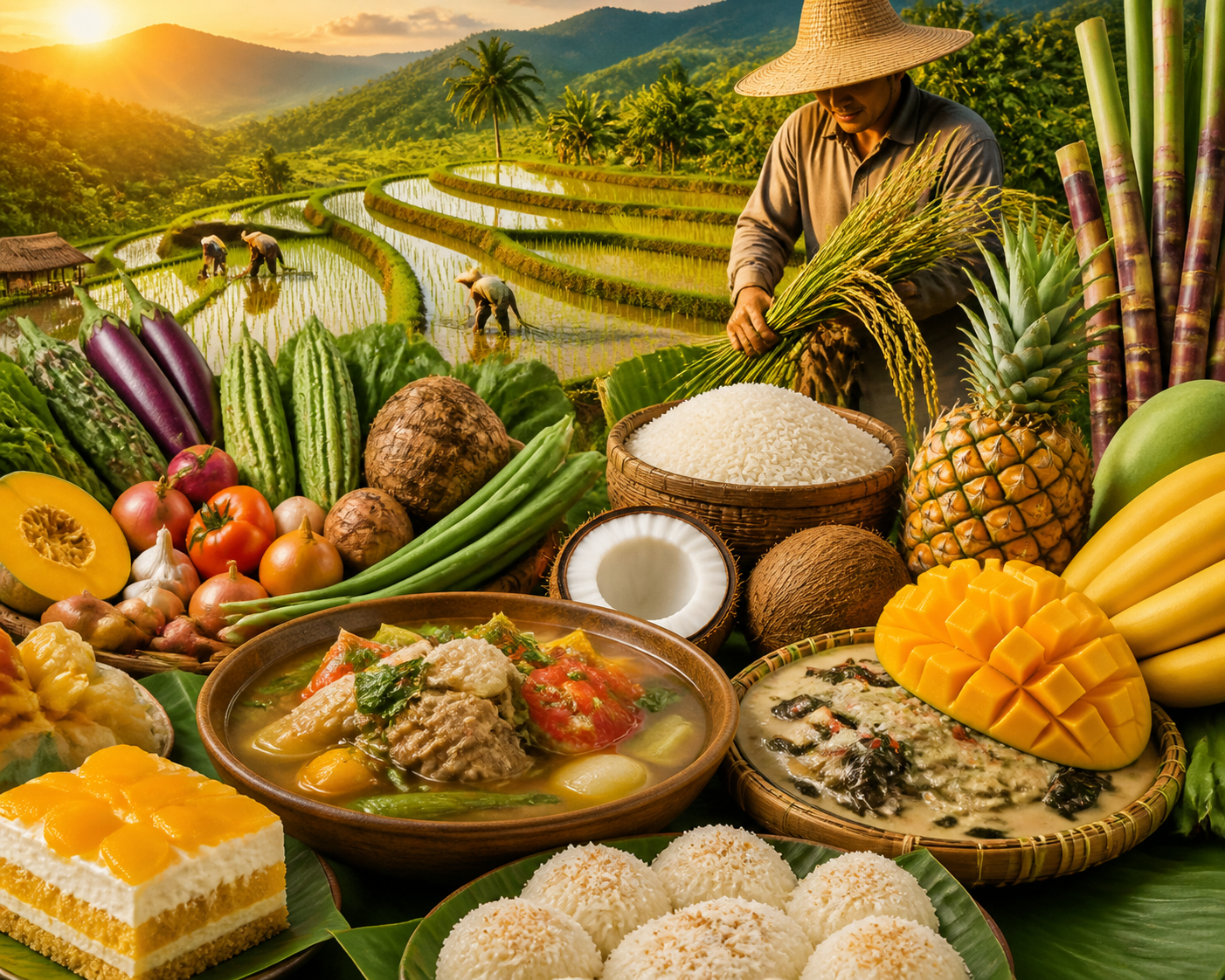
Farmers in the Philippines serve as the backbone of Filipino cuisine, providing essential raw ingredients for daily meals. The country is home to a wide variety of local produce, such as rice, vegetables, fruits, and tropical spices, all of which are key components in traditional Filipino dishes. Rice, for example, is a staple that forms the base of most meals in the country. The rice terraces of Banaue, a UNESCO World Heritage Site, are one of the best representations of Filipino agricultural practices. These terraces, passed down through generations, showcase the ingenuity of Filipino farmers in harnessing the land for sustainable production.
Vegetables like eggplant, ampalaya (bitter melon), and kangkong (water spinach) are common in Filipino dishes, adding flavor and nutritional value. The warm tropical climate of the Philippines also supports a wide array of tropical fruits such as mangoes, pineapples, and bananas, all of which play a significant role in Filipino cuisine. The ability of local farmers to cultivate these diverse crops ensures that Filipino cuisine remains rich in flavors and ingredients that are locally sourced.
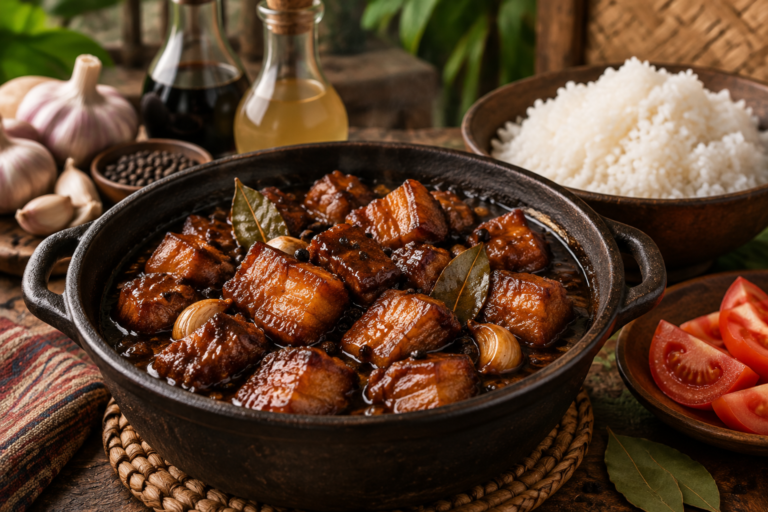
The relationship between Filipino farmers and local culinary traditions is not limited to the availability of ingredients but extends to the methods of preparation and preservation. Many Filipino dishes are a result of time-tested cooking techniques, many of which have been passed down for generations. For example, adobo, a famous Filipino dish, is a slow-cooked meat dish typically made with pork or chicken, marinated in vinegar, soy sauce, garlic, and spices. The ingredients used in adobo, such as garlic and soy sauce, are products of local farms and distilleries, while the meat, typically sourced from local farms, highlights the country’s deep agricultural connections.
Moreover, the importance of local farming is also evident in the growing trend of farm-to-table dining in the Philippines. More and more restaurants are emphasizing the use of locally sourced ingredients, supporting small-scale farmers, and reducing the carbon footprint associated with importing foreign products. This shift not only helps preserve Filipino culinary traditions but also fosters sustainability in the food industry, providing farmers with fair compensation for their produce.
By supporting local agriculture, the Filipino culinary landscape thrives, ensuring that future generations can continue to enjoy dishes that are not only delicious but also deeply connected to the land and the people who cultivate it. Filipino cuisine is a celebration of the country’s agricultural heritage, and the collaboration between farmers and chefs is essential in maintaining its authenticity and sustainability.
About the Author