Coffee has become a staple in many households around the world, and the Philippines is no exception. Known for its unique varieties and deep-rooted coffee culture, the country has a lot to offer to coffee enthusiasts. With a rich history of coffee cultivation and a growing coffee culture, Filipino coffee is steadily gaining recognition both locally and internationally.
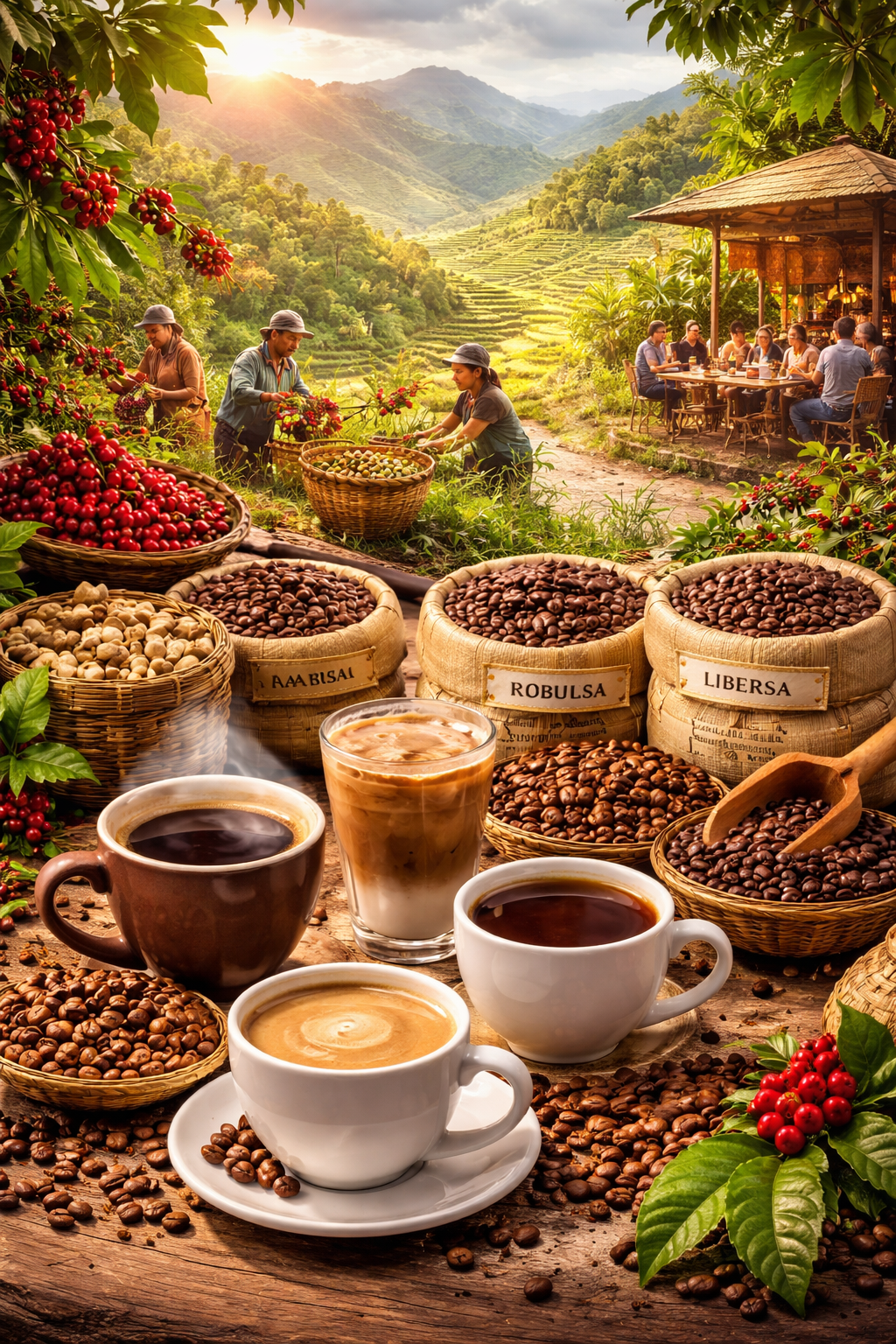
The Philippines has a favorable climate for growing coffee, and its diverse landscapes provide the ideal conditions for different coffee varieties to thrive. The most common varieties grown in the country are Arabica, Robusta, Excelsa, and Liberica, each with its own distinct flavor profiles. Arabica, often considered the “premium” coffee, is grown mainly in the cooler highlands of the Cordilleras and Mindanao. It is known for its mild, sweet flavor, with hints of fruit and floral notes.
Robusta, on the other hand, is the most widely grown variety in the Philippines. It thrives in lower altitudes and has a stronger, bolder flavor, often characterized by a bitter or earthy taste. Robusta beans are typically used in blends, particularly in the production of instant coffee. However, they are also the base for popular local drinks like “Kapeng Barako.”
Kapeng Barako is a signature coffee from the Batangas region. Made from the Liberica bean, which is unique to the Philippines, this coffee has a robust, full-bodied taste with smoky, woody, and sometimes fruity notes. It is particularly popular among Filipinos for its strong flavor and energizing effect. Kapeng Barako holds a special place in Filipino coffee culture, often enjoyed in gatherings, celebrations, and as a morning ritual.
Another notable variety is Excelsa, which is cultivated mainly in the southern parts of the country. Excelsa beans are prized for their complex flavor profile, which ranges from fruity and tangy to earthy and spicy. This variety is often used in blends to enhance the depth and complexity of the flavor.
In addition to the varieties, the Philippines also has a long history of coffee cultivation that dates back to the Spanish colonial period. The country’s coffee industry was once one of the largest in the world, and the cultivation of coffee beans played an essential role in the local economy. However, in the 20th century, the Philippine coffee industry faced numerous challenges, such as pests, diseases, and competition from international coffee producers. Despite these challenges, the coffee industry in the Philippines has seen a resurgence in recent years, with a growing emphasis on local and sustainable coffee production.
Filipino coffee culture is also a reflection of the country’s strong community values. Drinking coffee is an essential part of socializing and connecting with family and friends. Whether it’s a casual afternoon break or a lively conversation over a cup of Kapeng Barako, coffee plays a central role in Filipino life. The rise of coffee shops and cafes, especially in urban areas, has also introduced new ways for Filipinos to enjoy coffee, with modern brewing methods and innovative coffee drinks taking center stage.
About the Author