Filipino cuisine is a vibrant reflection of the country’s diverse culture, blending indigenous flavors with influences from Spain, China, and the United States. For travelers and food enthusiasts alike, visiting renowned Filipino restaurants offers an unparalleled insight into the nation’s culinary heritage. Here are some of the most famous establishments that should be on every visitor’s itinerary.
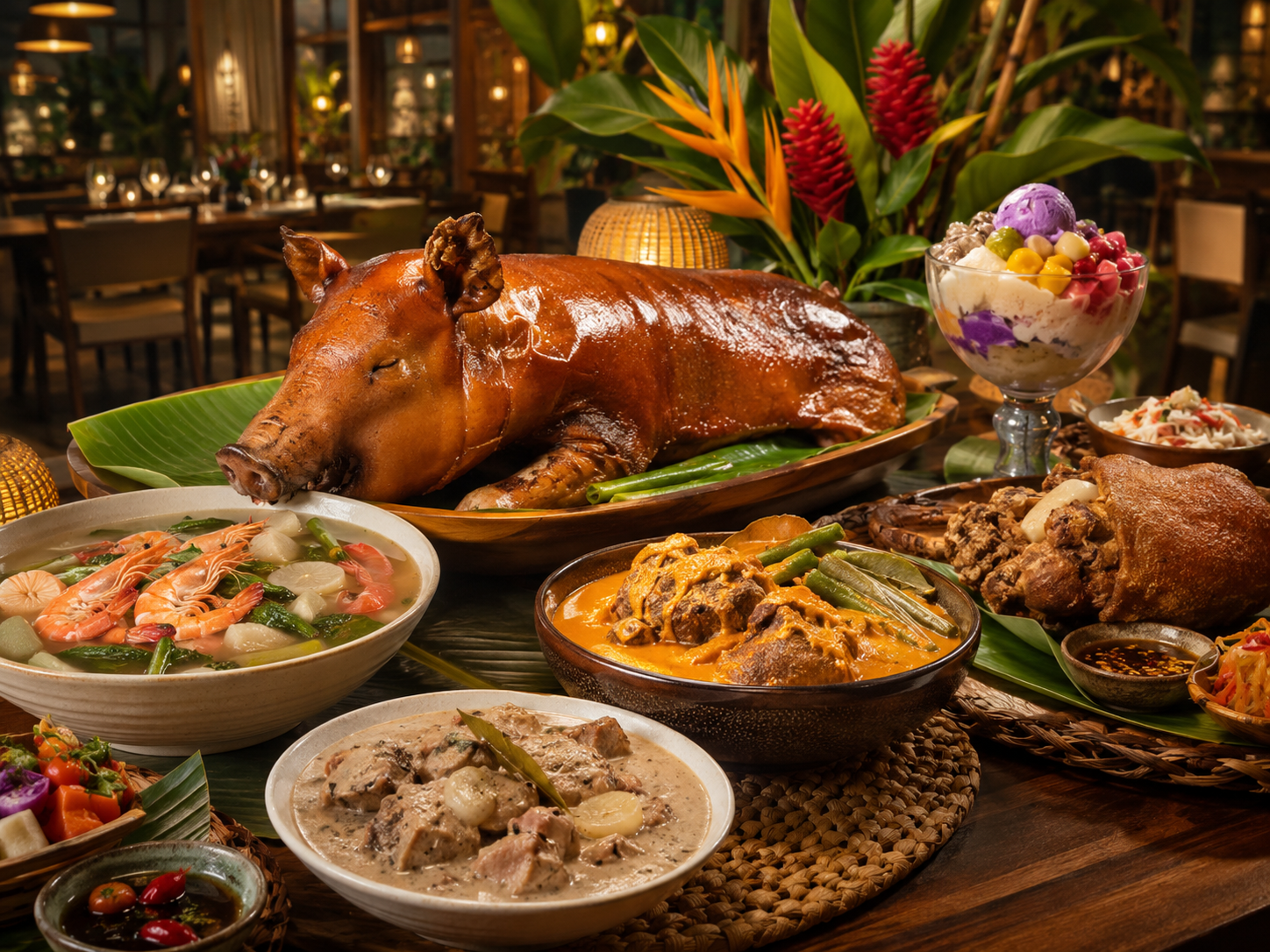
One of the most celebrated names in Filipino dining is Rico’s Lechon. Located in Cebu, Rico’s Lechon has built a reputation for its succulent roasted pig, known locally as lechon. This dish is not just a meal but a cultural experience, often served during festivities and special occasions. What sets Rico’s apart is their dedication to maintaining the traditional Cebuano recipe: slow-roasting the pig over charcoal until the skin achieves a perfectly crisp texture while keeping the meat tender and flavorful. Guests often pair lechon with sarsa, a rich liver-based sauce, enhancing the depth of taste.
In Manila, Antonio’s in Tagaytay offers a fine-dining interpretation of Filipino cuisine. Housed in a charming colonial-style building, Antonio’s is famous for combining classic Filipino ingredients with modern techniques. Their sinigang na hipon (shrimp in sour tamarind broth) and braised beef short ribs are highlights that showcase the balance between tradition and innovation. Antonio’s also boasts an extensive wine selection, complementing its meticulously curated menu. Dining here is more than eating; it’s an immersive journey into the artistry of Filipino gastronomy.
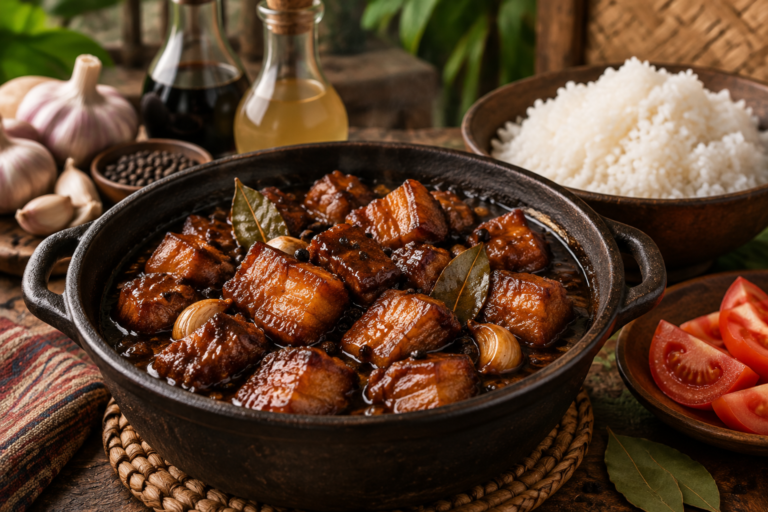
For a truly immersive street-food experience elevated to a gourmet level, Mesa Filipino Moderne is a must-visit. With branches in major cities like Manila and Cebu, Mesa offers a contemporary twist on classic Filipino dishes. From adobo sa gata (pork or chicken stewed in coconut milk) to kare-kare (oxtail stew with peanut sauce), each dish is crafted to highlight authentic flavors while appealing to modern palates. The restaurant also provides vegetarian and seafood options, making it accessible for diverse dietary preferences.
Another establishment that has captured international attention is Lanai Restaurant in Manila. This eatery is renowned for its seafood offerings and traditional Filipino comfort food. Their signature dishes, such as crispy pata (deep-fried pork knuckles) and halo-halo (a layered dessert with shaved ice, beans, and sweet fruits), exemplify the richness of Filipino culinary culture. Lanai Restaurant emphasizes sourcing fresh, local ingredients, ensuring each dish reflects the country’s natural abundance and culinary expertise.
Visiting these restaurants goes beyond satisfying hunger; it’s an educational experience in Filipino culture and hospitality. Patrons are introduced to a diverse range of flavors, from the tangy and spicy to the sweet and savory. Moreover, many of these establishments focus on sustainable practices, supporting local farmers and artisans, which allows visitors to appreciate not only the taste but also the story behind each dish.
In the Philippines, food is a form of storytelling. Whether indulging in the traditional lechon of Cebu, savoring the refined plates at Antonio’s, or enjoying the innovative takes at Mesa and Lanai, each restaurant provides a window into the country’s soul. For anyone seeking to understand Filipino culture through taste, these culinary destinations are indispensable stops that leave lasting impressions.
About the Author