Filipino cuisine is known for its diverse and rich flavors, influenced by centuries of cultural exchange with various nations. One of the most prominent features of Filipino cooking is the central role of pork in many dishes. Pork is not only a staple protein but also a symbol of comfort, festivity, and tradition. In Filipino culinary culture, the versatility of pork in a wide range of cooking styles—from grilling to stewing—is unmatched, and its popularity extends across all regions of the archipelago.
One of the key characteristics of pork in Filipino cooking is its ability to absorb a wide variety of marinades and seasonings. Filipino pork dishes often feature bold flavors, balancing the salty, sour, sweet, and umami elements that define the country’s cuisine. A classic example is lechon kawali, a deep-fried, crispy pork belly served with a vinegar-based dipping sauce. The crunchiness of the skin combined with the tender meat inside creates an irresistible combination, making it a crowd favorite at celebrations and family gatherings.
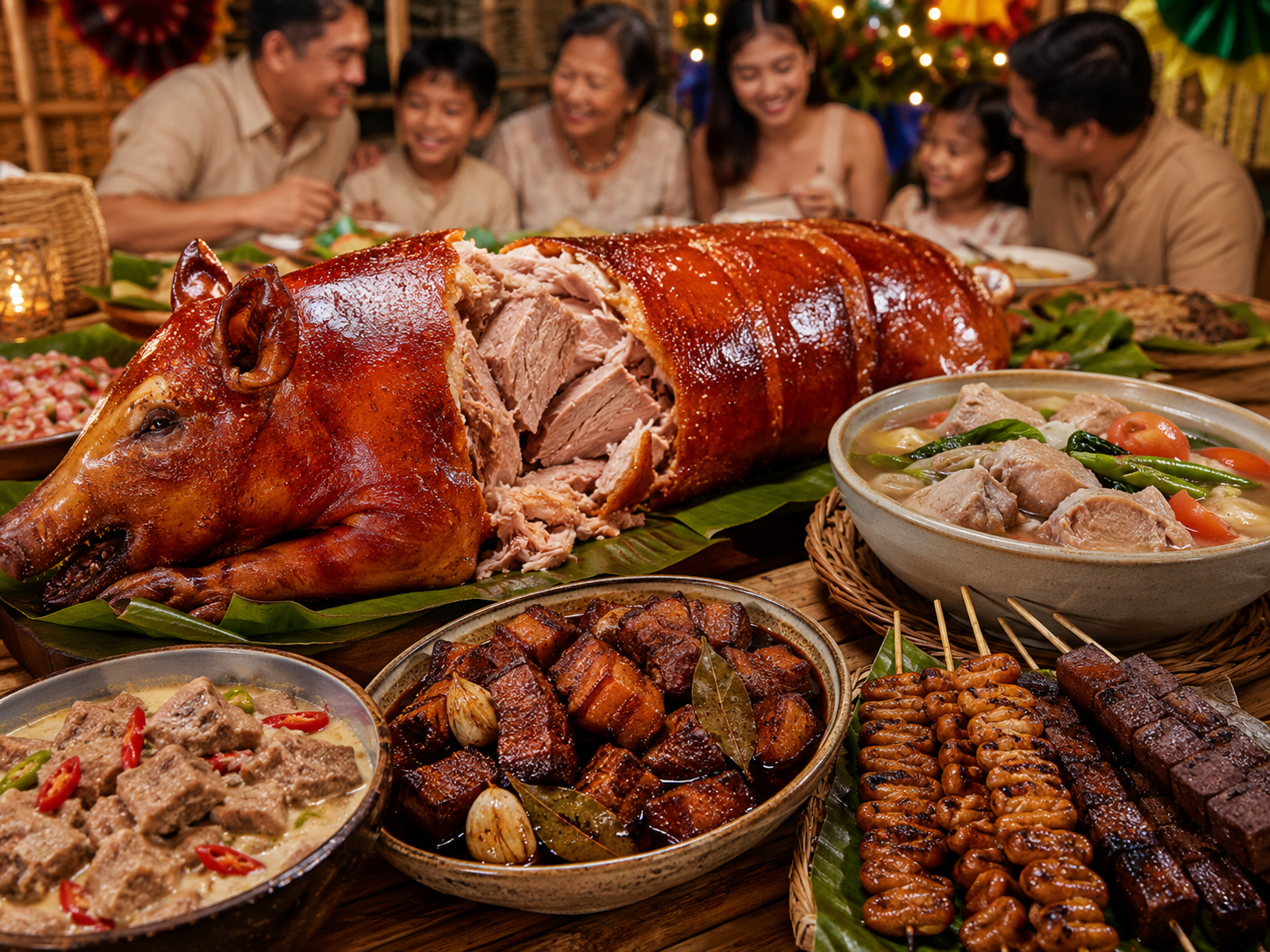
Another signature dish featuring pork is adobo, a beloved Filipino stew made from pork (or chicken) simmered in a mixture of soy sauce, vinegar, garlic, bay leaves, and peppercorns. The cooking method—slow-braising—allows the pork to soak in the tangy, savory marinade, resulting in a rich, complex flavor. Each family may have their own variation of adobo, with some adding coconut milk or potatoes to make it more indulgent.
Pork is also the star of sinigang na baboy, a sour tamarind-based soup that is both comforting and refreshing. This dish incorporates tender pork ribs or belly, which absorb the flavors of the sour broth, complemented by vegetables like okra, eggplant, and kangkong (water spinach). The balance of flavors in sinigang is what makes it a quintessential dish in Filipino households, particularly enjoyed during rainy days or when family members gather for a hearty meal.
Furthermore, babi is central to festive dishes like lechon, where whole pigs are roasted over an open flame for hours until the skin turns golden brown and crispy. Lechon is often the highlight of major celebrations, such as birthdays, weddings, and holidays, and is typically served with a liver-based sauce, providing a perfect contrast to the richness of the roasted meat. The preparation of lechon is considered an art form, requiring expertise in seasoning and roasting to achieve the perfect balance of crispy skin and tender meat.
Aside from these dishes, Filipino street food is also abundant with pork-based offerings. Isaw (grilled chicken or pork intestines) and betamax (skewered coagulated blood) are popular street snacks, showcasing the Filipino penchant for cooking lesser cuts of meat. These are usually grilled to perfection and served with a tangy vinegar dipping sauce, further highlighting the Filipino flair for creating delicious food from all parts of the animal.
In addition to the savory dishes, pork also makes its way into Filipino sweets and snacks. A unique example is bicol express, a spicy and creamy dish made with pork and chili peppers cooked in coconut milk. The richness of the pork paired with the heat of the chilies and the creaminess of the coconut milk creates a flavorful and comforting dish that is distinctively Filipino.
The extensive use of pork in Filipino cuisine highlights not only the country’s love for this versatile meat but also its culinary creativity. Whether in everyday meals or festive occasions, pork remains a symbol of Filipino food culture, offering a wide variety of flavors, textures, and techniques that continue to evolve. The unique preparations and seasonings make pork a mainstay in Filipino kitchens, reflecting both the heritage and modern innovation of Filipino cuisine.
About the Author