
Fashion trends in the Philippines are constantly evolving, with influences from both global movements and local traditions. In recent years, Filipino fashion has seen a shift towards sustainability, individuality, and the celebration of local culture. The Philippine fashion scene is growing more vibrant, with young designers, celebrities, and influencers helping to shape a new era of style that embraces diversity, inclusivity, and environmental consciousness.
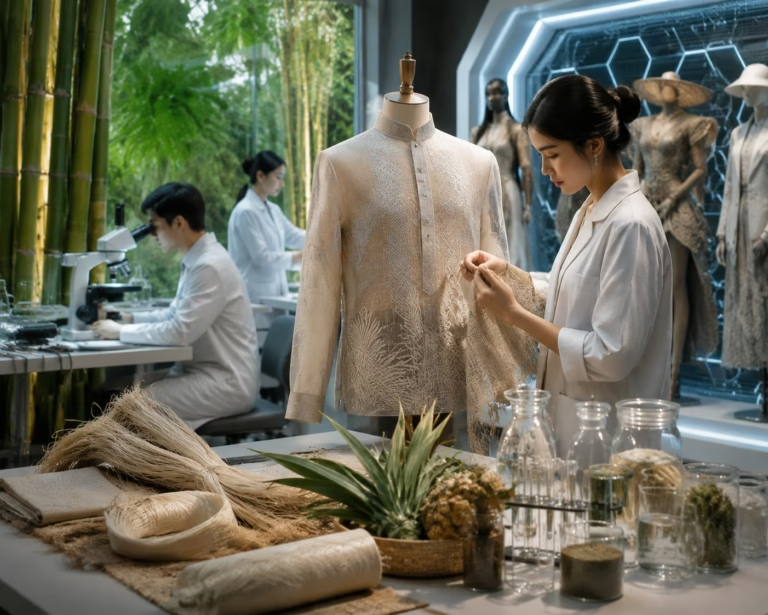
One of the most exciting developments in Filipino fashion is the growing focus on sustainability. As awareness of climate change and environmental issues rises, many Filipino designers are shifting towards eco-friendly materials and production methods. Brands like Rags2Riches, which creates products from repurposed materials, are leading the charge in promoting ethical fashion. Additionally, fabrics such as organic cotton, bamboo, and recycled polyester are becoming more common in Filipino collections, helping to reduce the fashion industry’s environmental footprint.
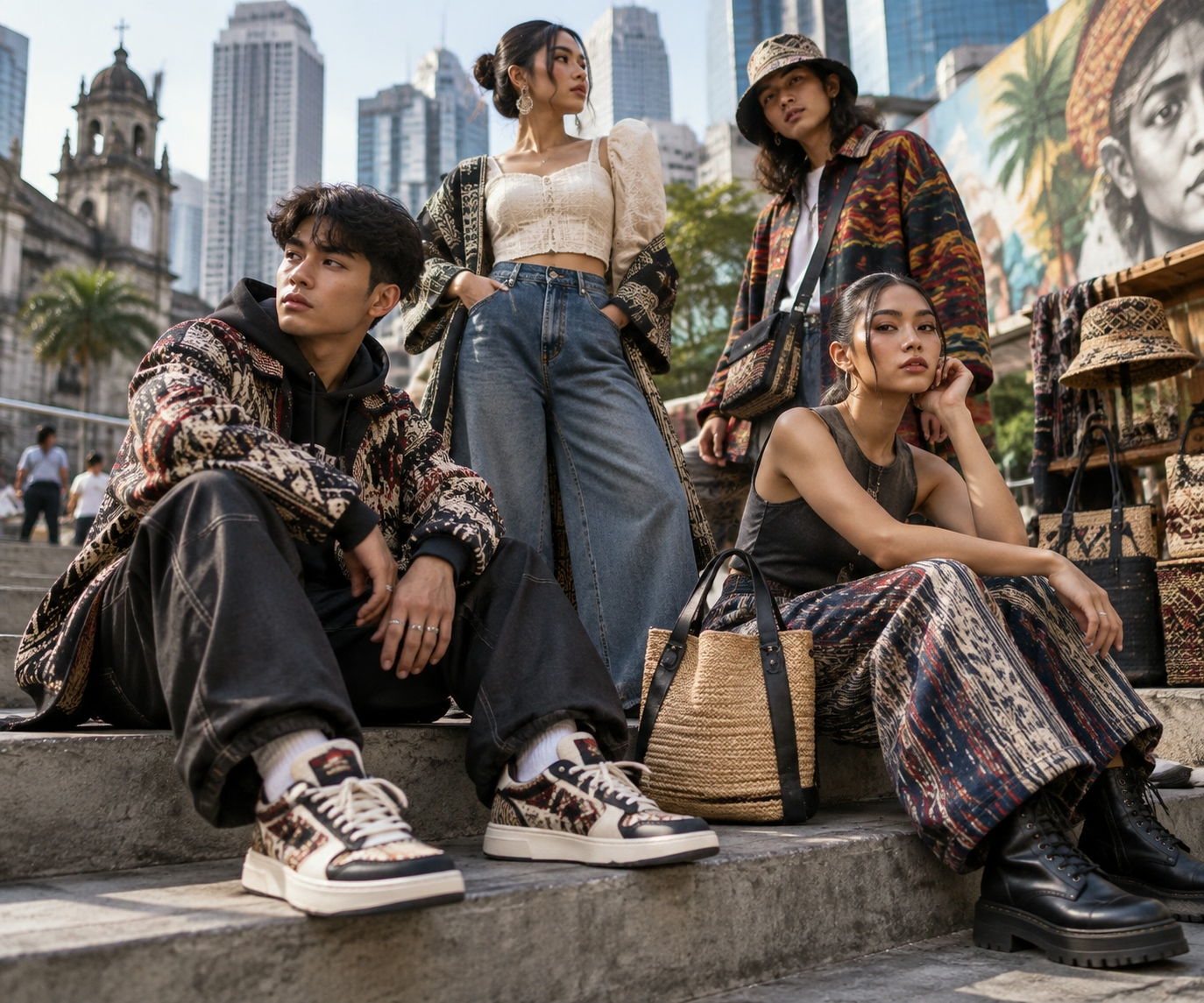
Streetwear continues to be a dominant force in the Philippines, especially among the youth. Influenced by global fashion cities like New York and Tokyo, Filipino street style has taken on its own identity. The key features of this trend include oversized tees, sneakers, hoodies, and baseball caps. But Filipino street style is unique because it often incorporates elements of traditional Filipino clothing. Young people may pair streetwear pieces with handwoven accessories, or modernize traditional garments like the “barong” or “terno.” This fusion of global and local influences creates a fashion-forward look that is both personal and distinctly Filipino.
Gender-neutral fashion is another trend that is gaining momentum in the Philippines. As the country becomes more progressive, the idea that clothing should be gender-specific is being challenged. Designers are increasingly creating pieces that can be worn by anyone, regardless of gender. This has given rise to more unisex collections that focus on fluidity and comfort. Filipino fashion icons like actress and entrepreneur Heart Evangelista have been at the forefront of this movement, often sporting androgynous looks and encouraging their followers to embrace fashion without labels.
In addition to modern trends, there is a growing appreciation for Filipino heritage in the fashion world. Designers are incorporating traditional Filipino textiles, such as “piña” fabric (made from pineapple fibers) and “abaca” (a type of banana plant fiber), into their contemporary designs. This not only supports the preservation of indigenous Filipino weaving techniques but also allows for the promotion of Filipino culture on a global scale. By fusing traditional materials with modern designs, Filipino fashion is creating a dialogue between past and present.
Bright and bold colors are taking center stage in the Philippines’ fashion scene, reflecting the lively and vibrant culture of the nation. Whether in casual wear or evening attire, colors like deep oranges, bright yellows, and tropical greens are a common sight. These hues are reminiscent of the country’s lively festivals and the natural beauty of its tropical environment. At the same time, minimalist shades like white, black, and beige remain popular, providing a balance to the more daring color choices.
In conclusion, the current fashion trends in the Philippines highlight a creative and progressive shift towards sustainability, individuality, and cultural pride. From eco-conscious collections to gender-neutral styles and the revival of traditional fabrics, the Philippine fashion scene is breaking new ground and establishing itself as a key player on the global stage. As the country continues to embrace these trends, it is clear that Filipino fashion is moving toward a more inclusive and innovative future.
About the Author