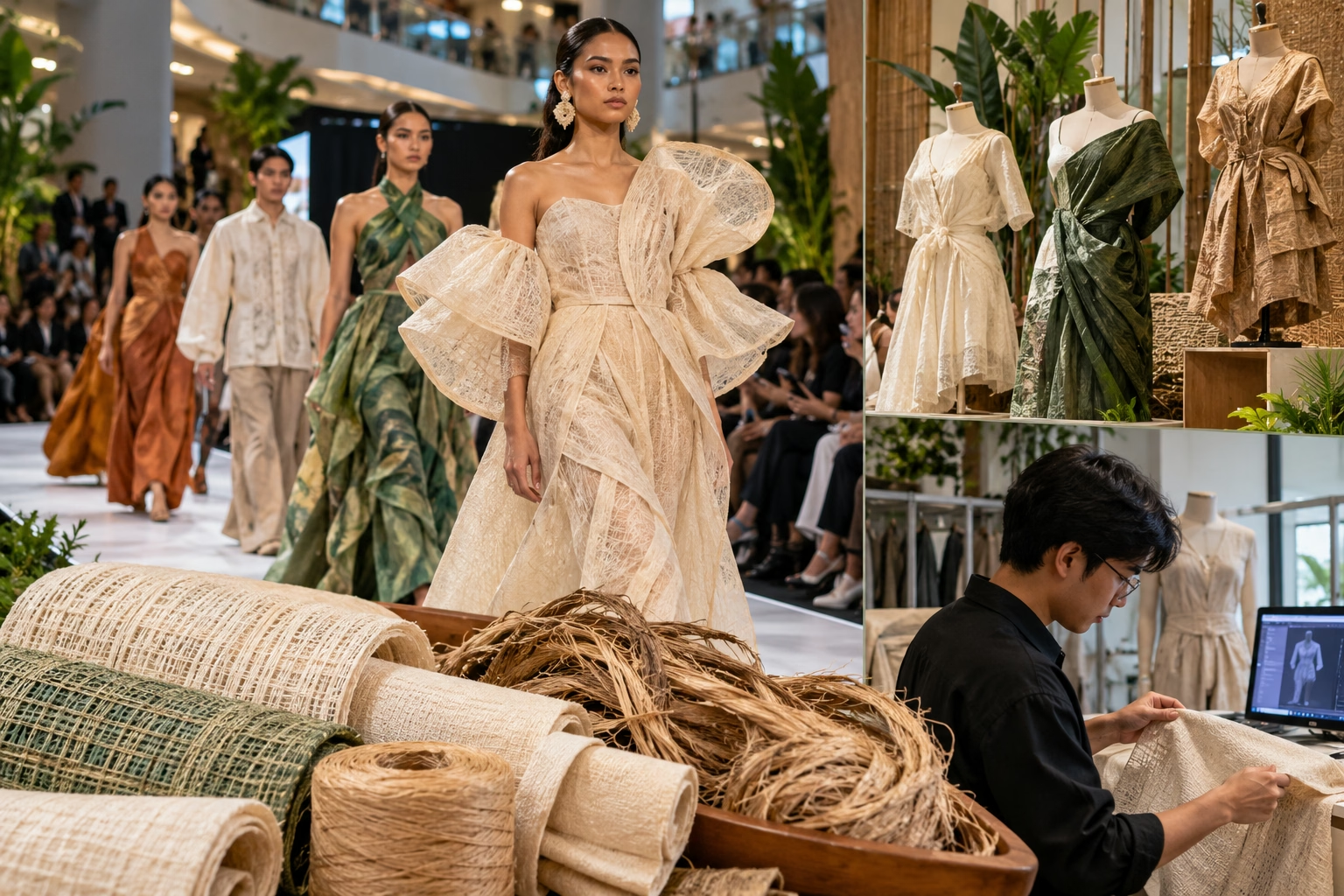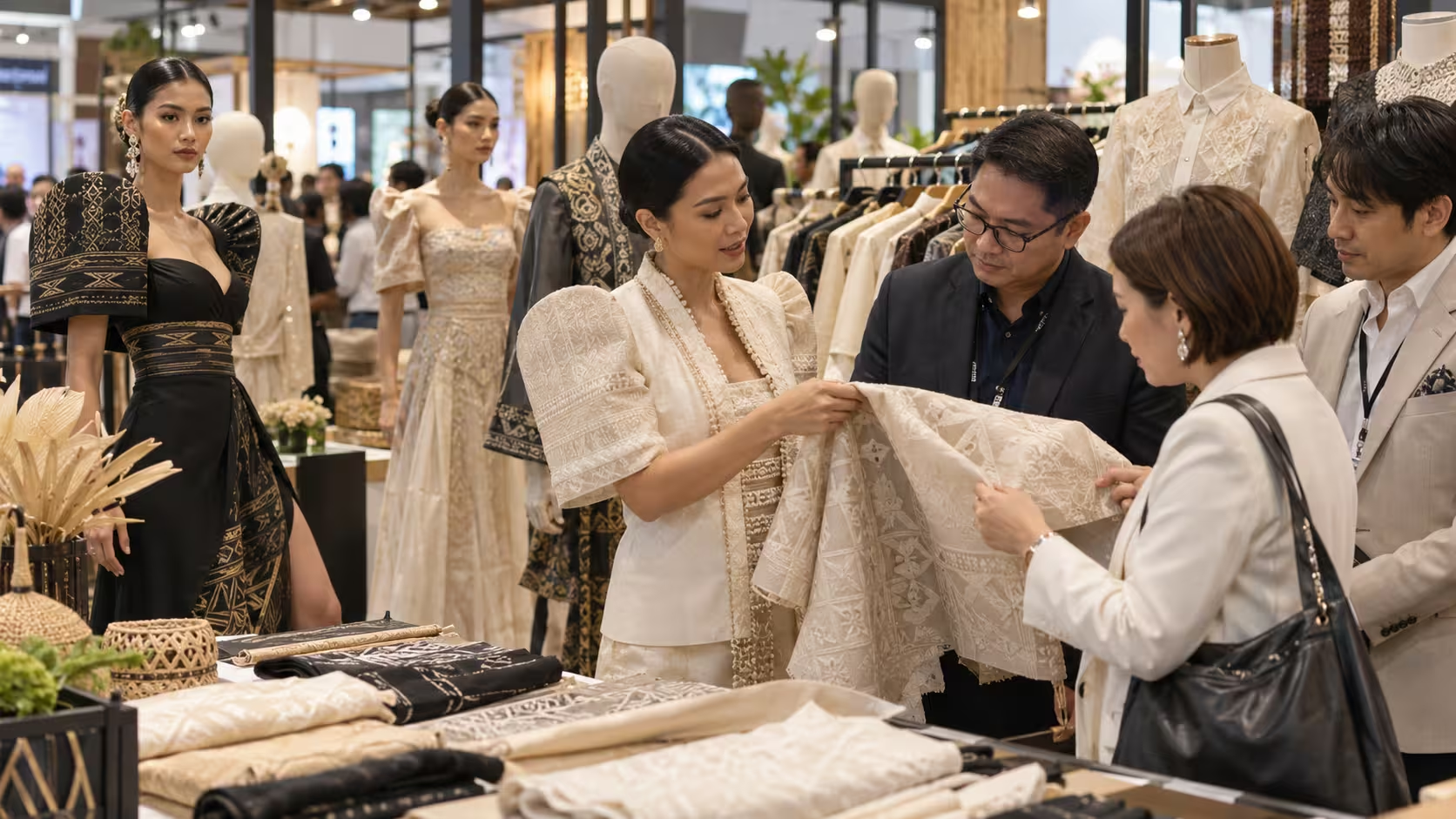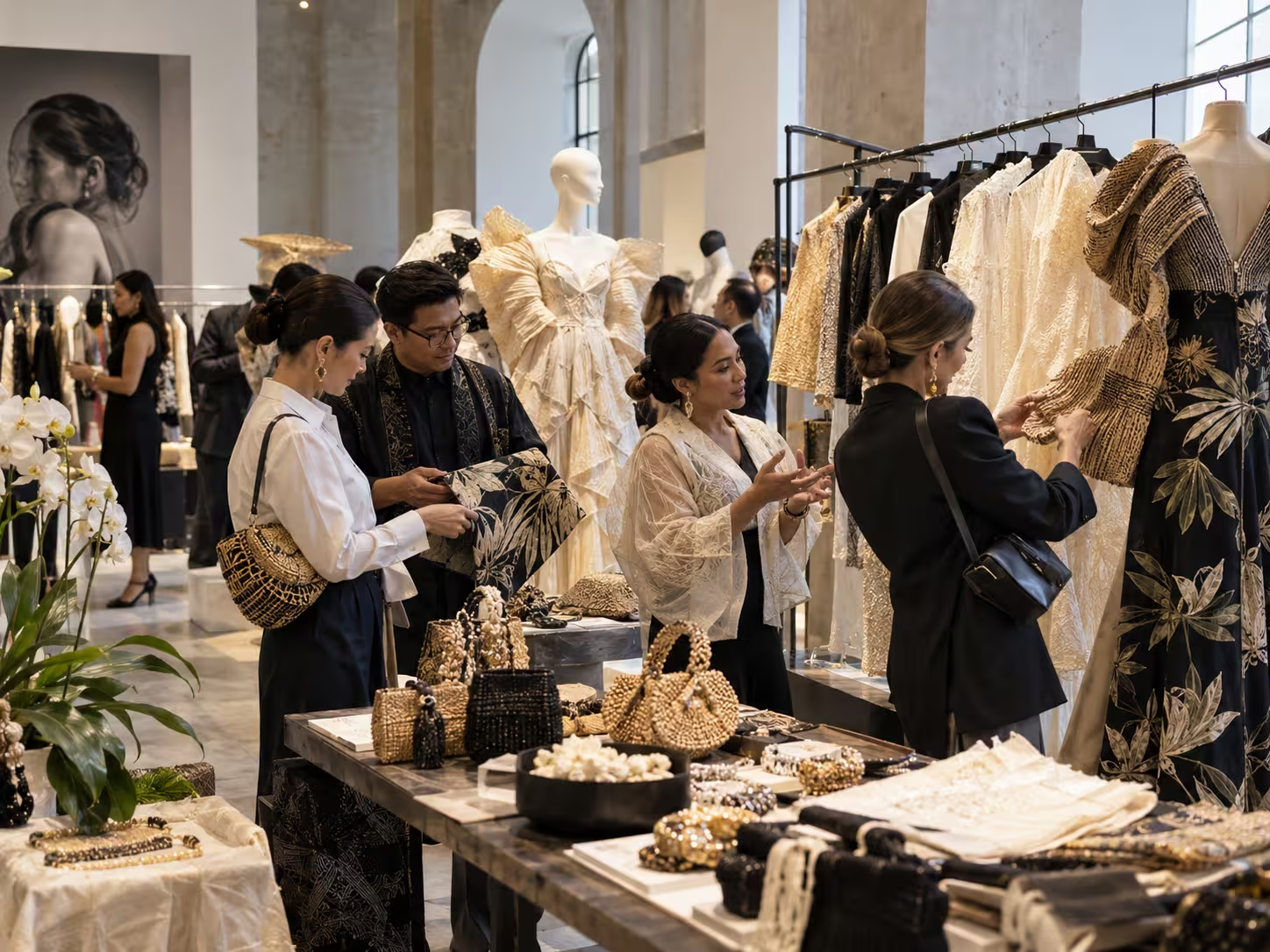

The push to elevate Philippine Tropical Fabrics from a heritage craft to a cornerstone of premium fashion is no longer just a cultural ambition. It is now a calculated economic strategy, driven by a two-decade-old law that is finally gaining serious traction. At the heart of this shift is Republic Act 9242, the PTF Law, which mandates the use of locally sourced natural fibers in government uniforms. While this may seem like a bureaucratic requirement, its implications for the high-end fashion sector are profound. By guaranteeing a baseline demand, the law is designed to revitalize the entire domestic textile value chain—from fiber cultivation to weaving and garment manufacturing—creating the scale and stability needed for premium designers to access world-class local materials consistently.
The ₱17.8 Billion Catalyst for Local Luxury
The most compelling data point for the industry’s future comes from the Department of Science and Technology-Philippine Textile Research Institute. The agency estimates that full compliance with the PTF Law could unlock an annual market worth approximately ₱17.8 billion, or about $289 million, for the country’s natural fiber industry. This figure is derived from the combined annual Uniform or Clothing Allowance for public sector employees. DOST-PTRI projects that about half of this sum is directed toward textile procurement, translating to a demand for some 30 million meters of fabric annually. This predictable, large-scale demand is the missing link that has historically prevented local fiber production from achieving the economies of scale necessary to compete with imported synthetic textiles, both in terms of cost and availability. The official DOST-PTRI portal at https://ptri.dost.gov.ph/ continues to serve as a key reference for the agency’s textile innovation and fiber-development programs.
From Compliance Gaps to a Coordinated Ecosystem
Despite the law’s potential, enforcement has been inconsistent. While a 2024 Civil Service Commission report suggested 48% compliance, DOST-PTRI’s own data indicated that only 2% of government offices were actually compliant. This gap represents a significant lost opportunity. However, the narrative is shifting. The institute is actively scaling regional textile innovation hubs under its FRONTIER program, designed to connect fiber growers, weavers, designers, and manufacturers into a more coordinated local ecosystem. This initiative, branded under the “Telang Pinoy” campaign, aims to transform public procurement into a stable market for local producers. For premium fashion, this means a future where a designer can source consistently high-quality piña, abaca, or banana silk fabrics not as a rare, artisanal exception, but as a reliable, scalable input for their collections. The economic blueprint is being drawn; the next step is for the fashion industry to build its masterpieces upon it.
About the Author