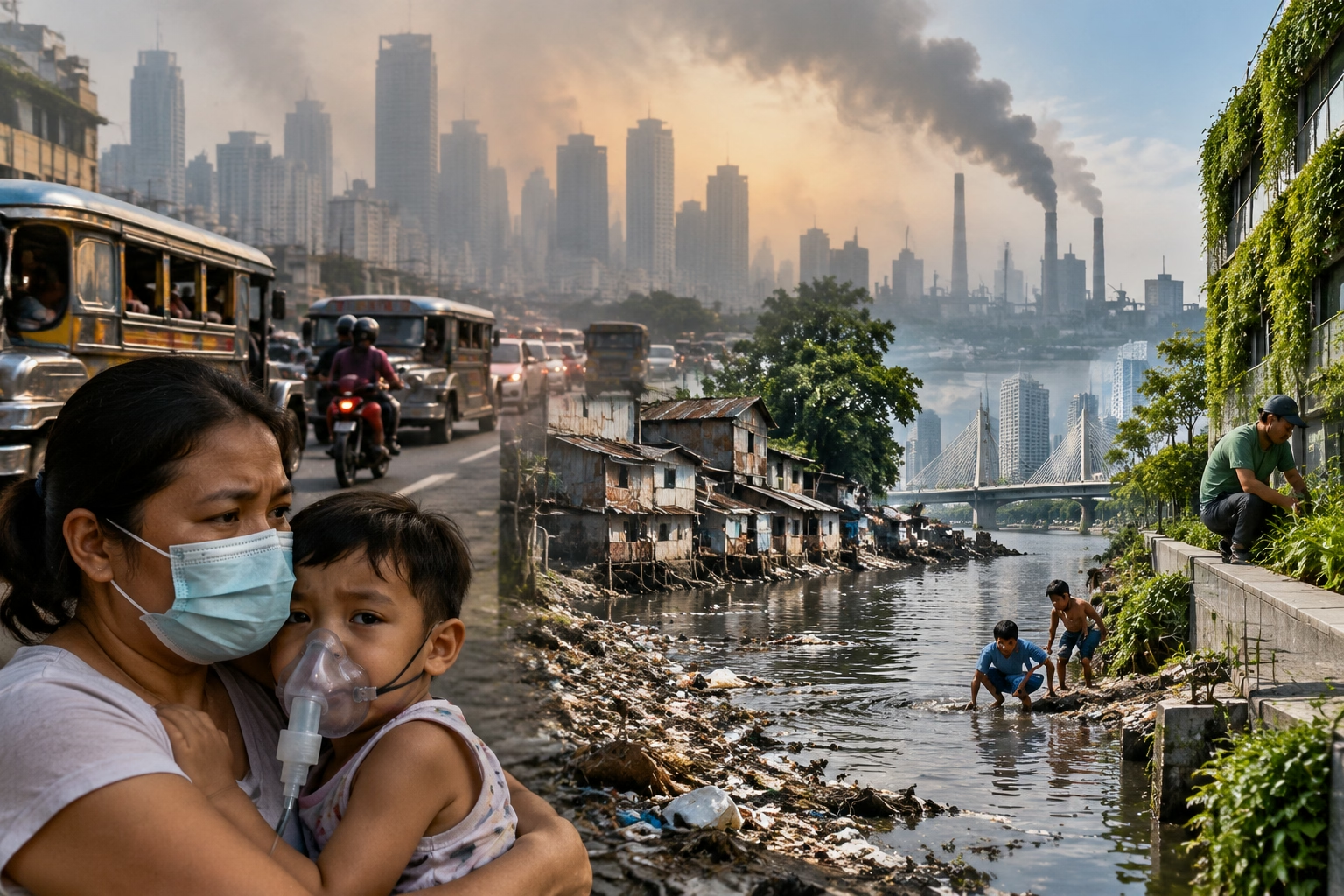

The healthcare system in the Philippines is a crucial component of the nation’s development, yet it is confronted by a number of issues that affect its effectiveness and efficiency. While the country continues to make strides in healthcare, it is essential to address these issues and explore the available opportunities for improvement.
Challenges Facing the Healthcare System:
- Disparities in Healthcare Access
The unequal distribution of healthcare services across the country remains a significant issue. Urban areas have relatively better access to healthcare, while rural and remote areas often lack essential health services. Many Filipinos in these regions have limited access to physicians, specialized care, and medical treatments, resulting in preventable health issues and delayed medical interventions. - Resource Constraints and Budget Issues
Despite efforts by the government, public healthcare services in the Philippines continue to face resource constraints. The healthcare budget remains insufficient to meet the growing demands for services, leading to overcrowded hospitals, understaffed clinics, and shortages of essential medicines. In many cases, people turn to private healthcare providers, further contributing to financial inequality. - Aging Population and Non-communicable Diseases
The Philippines is facing an aging population, which increases the demand for healthcare services. At the same time, non-communicable diseases (NCDs) such as diabetes, hypertension, and cardiovascular diseases are becoming more prevalent. The growing burden of NCDs places additional stress on an already strained healthcare system.
Emerging Opportunities:
- Expansion of Universal Health Care Coverage
The Universal Health Care Law offers an opportunity to address these challenges by providing broader health insurance coverage and integrating healthcare services nationwide. If implemented effectively, this law could reduce out-of-pocket expenses for citizens, improve healthcare delivery in underserved regions, and ensure that Filipinos receive timely medical care. - Digital Health Technologies and Telemedicine
Advancements in digital health technologies, particularly telemedicine, present a significant opportunity to overcome geographical barriers in healthcare access. Telemedicine allows patients to consult with healthcare providers remotely, which is particularly beneficial for those in remote or rural areas where medical resources are scarce. - Collaborations with Private Healthcare Providers
Increasing collaboration with private healthcare institutions can help ease the burden on the public sector. Public-private partnerships can enhance service delivery, improve infrastructure, and increase healthcare funding. This approach can also help balance the healthcare needs of both urban and rural populations.
Conclusion:
While the Philippine healthcare system faces considerable challenges, the opportunities presented by Universal Health Care, digital health technologies, and public-private partnerships offer a hopeful path forward. By addressing these challenges head-on and leveraging emerging opportunities, the Philippines has the potential to create a healthcare system that provides accessible, affordable, and high-quality care to all its citizens.
About the Author