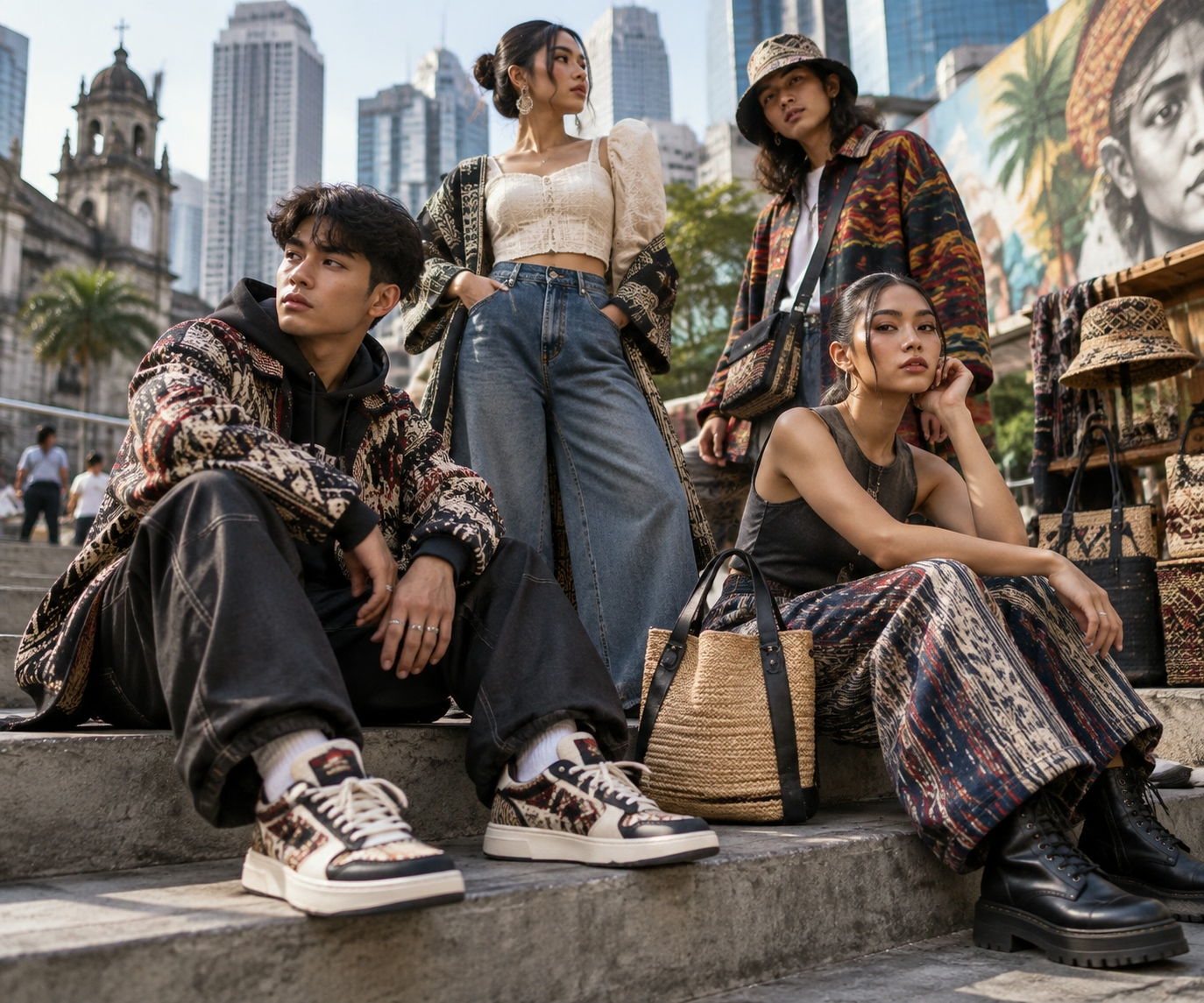

Manila is a study in contrasts—walled Intramuros and glassy high-rises, basilicas and billboards—so its street style naturally blends old and new. The heat dictates silhouettes: breezy camp shirts, wide-leg trousers, knee-grazing shorts, and dresses that skim rather than cling. Fabric choice is strategic: cotton-poplin for crispness, linen for airflow, and semi-sheers that layer without trapping warmth. A translucent overshirt over a ribbed tank is practically a uniform, giving sun cover and texture while keeping air moving.
Color plays off architecture. Stucco creams and terracotta appear in day looks; slate, charcoal, and inky blue take over after dusk. Accent colors are inspired by city flora and transport: hibiscus red, mango yellow, and jeepney teal. Prints often reference heritage—filigree-like linework that echoes capiz windows and church carvings—set on modern shapes. Embroidery is tonal and placed on collars or cuffs, a subtle nod to the Barong that suits daily wear.
Footwear balances comfort with street traction. Vulcanized skate shoes, cloud-foam slides, and minimalist leather sandals dominate, with loafers stepping in for office-friendly polish. Socks are a styling playground—scrunched athletic socks with shorts, fine-ribbed dress socks with chunky sneakers—showing how Manila plays with high/low codes. Utility details abound: sunglasses cords, key lanyards, and multipocket slings supported by carabiners and clips.
Rain preparedness shapes wardrobes. Lightweight shells with pit zips, foldable umbrellas, and water-repellent totes live in daily rotations. Translucent raincoats let an outfit’s color story show, and hem ties keep wide pants out of puddles. Quick-dry caps and moisture-wicking tees bridge the outdoor-indoor temperature whiplash between jeepneys and air-conditioned rooms. During downpours, reflective accents become both safety features and styling cues.
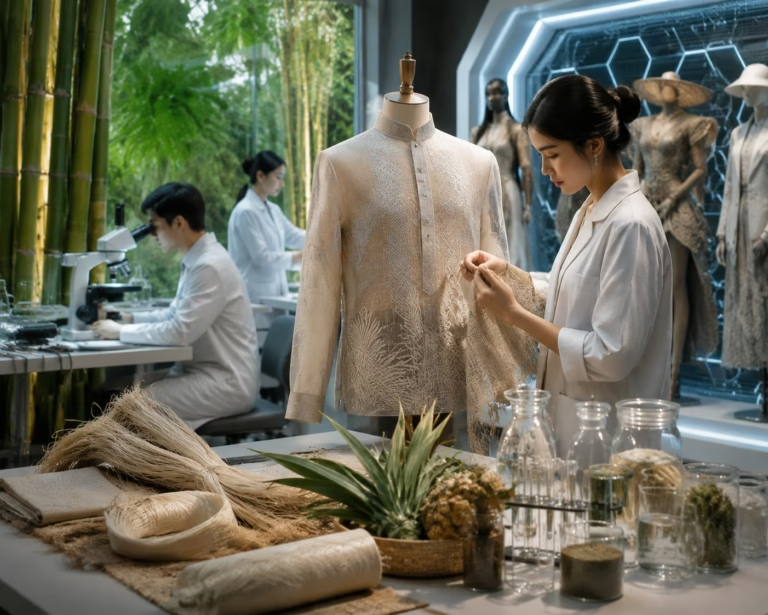
Thrifting powers experimentation. Ukay-ukay culture keeps prices low and creativity high; a lace blouse becomes a vest, a men’s blazer is tailored into a short-sleeve jacket, and denim gets cropped or split-hemmed. Local makers translate heritage into modern streetwear: sheer shirts that recall piña textures, tees with typography drawn from vintage signage, and accessories that incorporate pearls or mother-of-pearl without feeling formal. Gender play is typical—oversized tailoring on women, pearls and soft knits on men.
Micro-scenes reflect districts. Escolta’s creatives revive retro silhouettes with contemporary fits. Poblacion skews after-dark: satin slip dresses over tees, metallic eyeshadow, and chain belts. BGC’s work-leisure set opts for monochrome tech fabrics and structured bags. University hubs curate skate-influenced proportions with prep details. Threaded through all of this is respect for climate, movement, and history—style that breathes, travels, and remembers where it comes from.
About the Author