
In recent years, Filipino cuisine has seen a surge in popularity, making its way into modern restaurants and cafes across the globe. Once known primarily to the locals of the Philippines, dishes such as adobo, sinigang, and lechon are now taking center stage in culinary hotspots. This growing trend is a result of both a global fascination with diverse flavors and a desire for unique dining experiences.
One of the key reasons behind this rise is the increasing recognition of Filipino food’s complex and rich flavor profile. Filipino cuisine is a harmonious blend of indigenous flavors and influences from the Chinese, Spanish, and American colonizers. This fusion creates a culinary landscape that is both familiar and exotic, allowing it to appeal to a wide range of palates. Ingredients such as vinegar, soy sauce, coconut milk, and fish sauce, combined with spices like garlic, ginger, and chili, are used in innovative ways that reflect both traditional and modern cooking techniques.
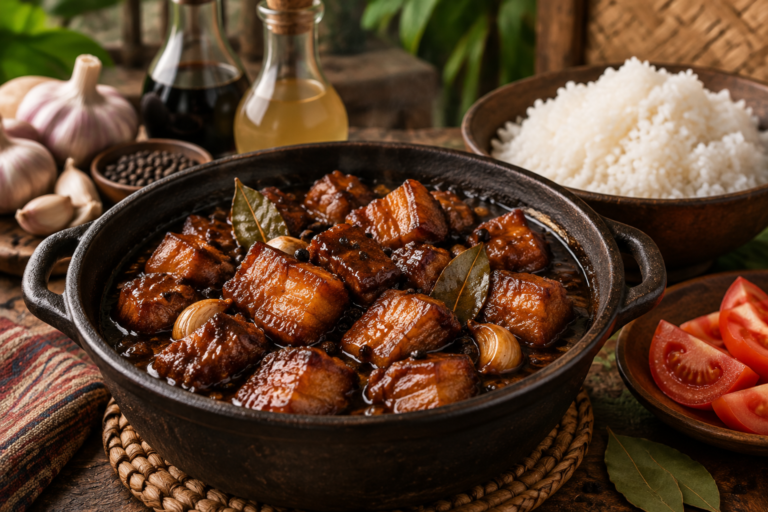
Modern Filipino restaurants and cafes are elevating traditional dishes with contemporary twists. Chefs are using new presentation styles, incorporating high-end ingredients, and experimenting with modern cooking methods. For instance, adobo – a beloved Filipino dish typically made with chicken or pork simmered in vinegar, soy sauce, and garlic – is now being served in upscale eateries with sous-vide techniques, offering a more delicate and refined texture while maintaining the dish’s original, bold flavors.
The rise of Filipino fusion food is another factor driving the popularity of Filipino cuisine in modern establishments. Many restaurants and cafes are creating hybrid dishes that blend Filipino flavors with global influences. Examples include Filipino-inspired tacos, using pork belly lechon as a filling, or innovative takes on the classic Filipino breakfast of tapsilog (beef tapa, garlic rice, and egg) served as gourmet bowls with creative toppings.
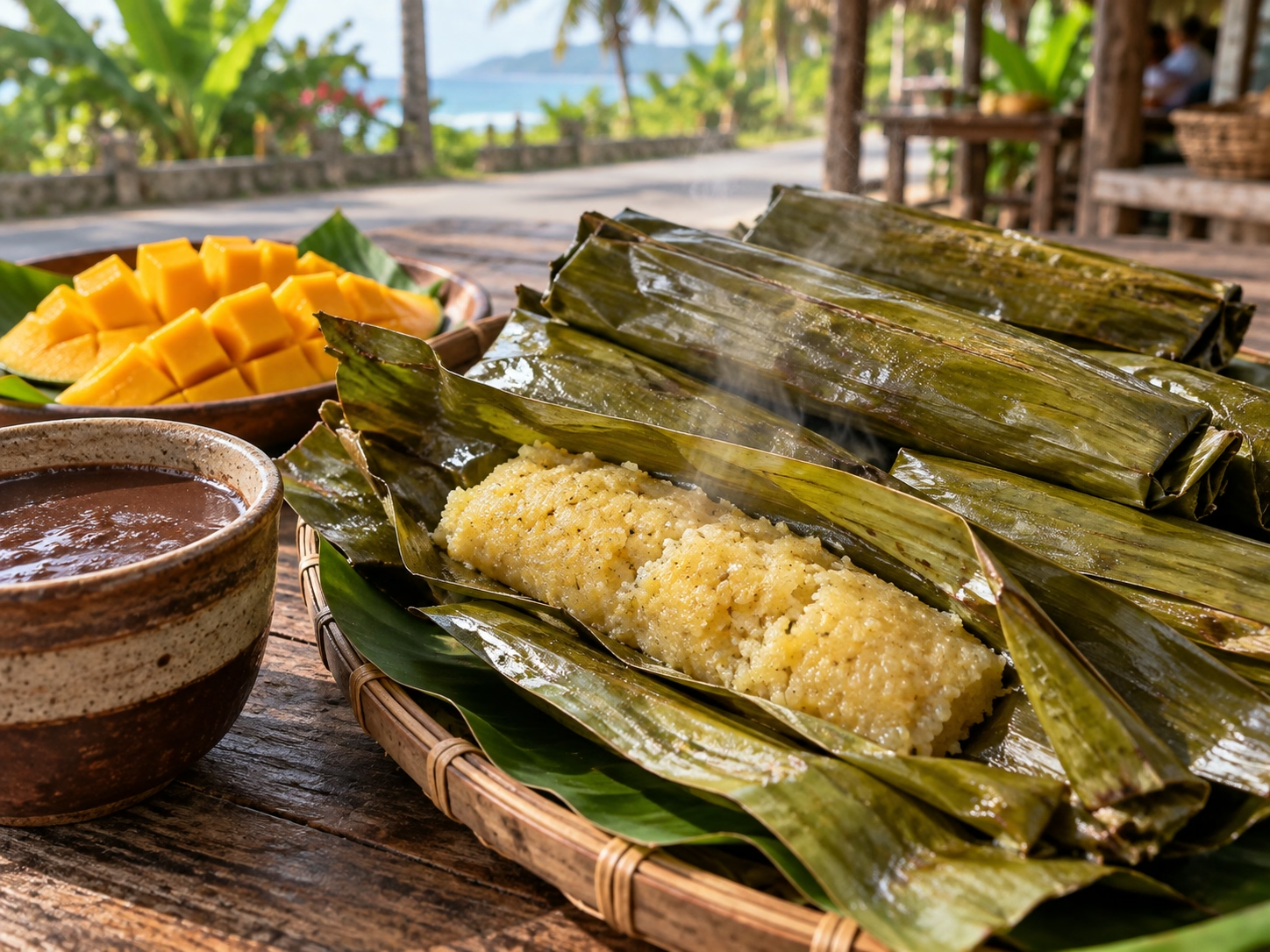
Cafes are also playing a significant role in spreading Filipino food culture. Many coffee shops around the world are starting to serve Filipino desserts such as leche flan (caramel custard), halo-halo (a shaved ice dessert with sweetened fruits, beans, and ice cream), and bibingka (rice cake) alongside their regular menu. These sweets provide an authentic taste of Filipino culture while appealing to global dessert lovers who are looking for something new and exciting.
Incorporating Filipino elements into modern dining settings has also led to the opening of Filipino-themed restaurants in major international cities. These establishments cater to both Filipino expatriates and adventurous food lovers eager to try something unique. The combination of traditional Filipino hospitality and the sleek, modern aesthetics of contemporary dining has made these places popular spots for both casual and upscale dining experiences.
Moreover, the global diaspora of Filipinos has contributed to the spread of Filipino culinary traditions. Many Filipino immigrants, especially in cities like Los Angeles, New York, and Dubai, have opened their own restaurants and cafes, showcasing authentic Filipino flavors in a modern context. This cultural exchange has helped create a bridge between traditional Filipino cooking and international food trends, allowing the cuisine to flourish worldwide.
Filipino food’s evolution in the restaurant and cafe scene also reflects a broader global trend toward authenticity and cultural exploration. As diners seek new and diverse food experiences, the distinctive and bold flavors of Filipino dishes offer an exciting alternative to the more commonly known Asian cuisines. Additionally, the accessibility of Filipino ingredients and the ability to adapt them to different culinary traditions has made Filipino food an exciting frontier for many chefs and restaurateurs.
This shift towards modern Filipino cuisine is not just a trend, but rather a testament to the adaptability and resilience of Filipino food culture. Whether through the introduction of new cooking techniques, creative fusion dishes, or simply providing a platform for traditional flavors, Filipino cuisine is steadily carving a space for itself in the world of fine dining and casual eateries alike.
About the Author