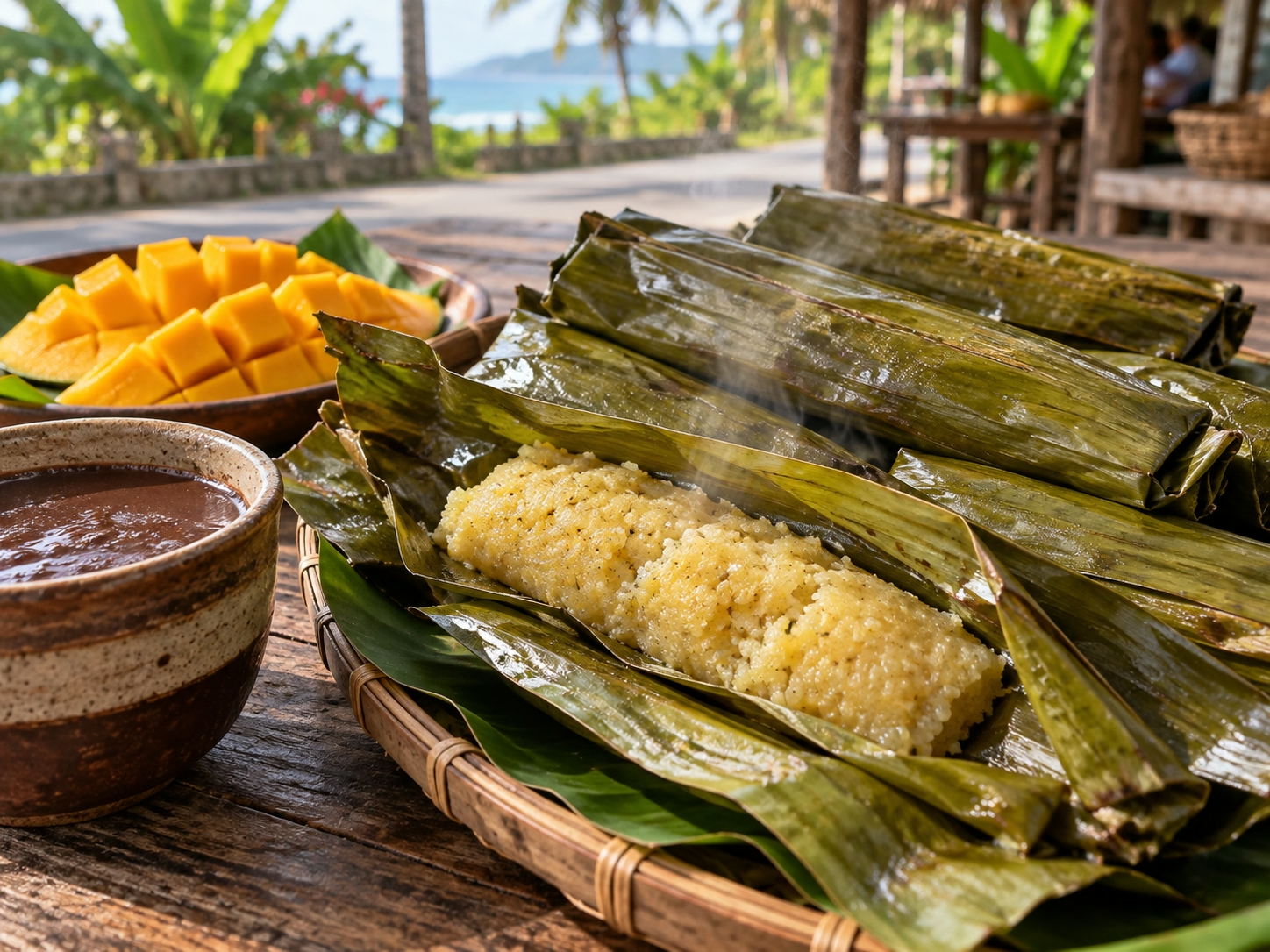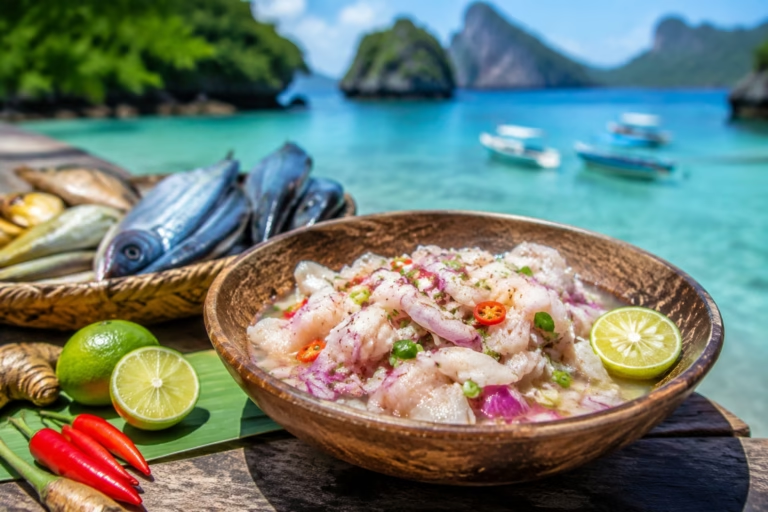

Filipino cuisine is an exciting blend of indigenous flavors and influences from a variety of cultures, such as Spanish, Chinese, and American. One of the key components that enhance the rich and diverse dishes of the Philippines is the use of spices. These aromatic ingredients do more than just add heat; they provide depth, balance, and complexity to the flavors of Filipino food. The importance of spices in Filipino cooking is not only to amplify the taste but also to preserve food, add nutritional benefits, and reflect the cultural diversity of the archipelago.
Key Spices in Filipino Cooking
The spices in Filipino dishes range from the mild to the robust, depending on the region and the dish. Some of the most prominent ones include:
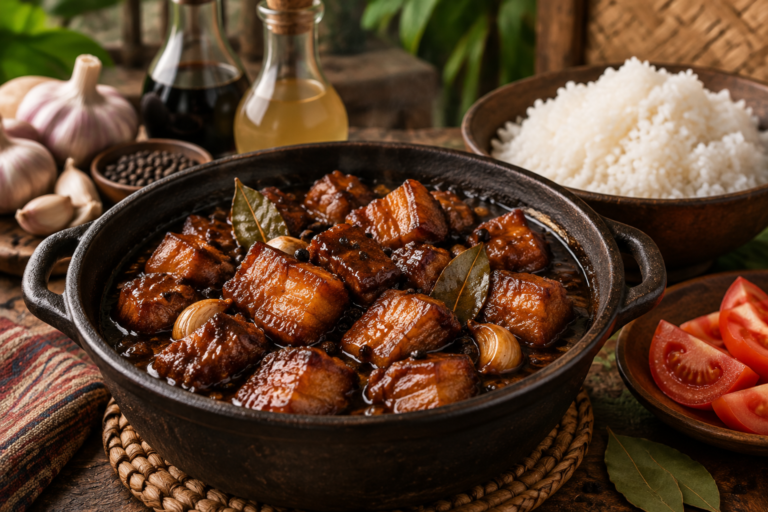
- Garlic (Ajo): Garlic is perhaps the most commonly used spice in Filipino cuisine. It is the base for many dishes, providing a savory foundation for stews, soups, and sauces. For instance, in “adobo,” one of the Philippines’ most iconic dishes, garlic is used along with soy sauce, vinegar, and bay leaves to marinate meat.
- Ginger (Luya): Ginger is widely used, particularly in soups and stews. Dishes such as “sinigang” (a sour soup) and “tinola” (a chicken ginger soup) rely heavily on the fragrant heat and aroma of ginger to build flavor profiles that are simultaneously comforting and fresh.
- Bay Leaves (Laurel): Bay leaves are another essential component, especially in braised dishes like “adobo” and “kare-kare.” These leaves are added during cooking to infuse a mild, earthy aroma that complements the savory ingredients.
- Peppercorns (Paminta): Peppercorns are an integral spice in Filipino cooking. Black pepper is often used to season meats, vegetables, and soups. It adds a slight heat and enhances the overall flavor of dishes.
- Turmeric (Luyang dilaw): Turmeric is often used in Filipino dishes like “laing” and “bicol express.” Its subtle earthy bitterness adds depth and a bright yellow color, making it visually appealing as well as flavorful.
- Chilies (Siling labuyo): For those who prefer spicy food, chilies are indispensable in many Filipino dishes. They add heat to everything from “bicol express” to “sinigang.” Whether fresh, dried, or pickled, chilies create a lively contrast to the rich and savory components of Filipino meals.
Cultural and Historical Influence
The use of spices in Filipino food is largely a result of the Philippines’ long history of trade and colonization. The island nation has been a crossroads of various cultures, with influences from neighboring Southeast Asia, China, and European colonizers. The introduction of spices like black pepper and turmeric was partly due to the Philippine’s participation in the global spice trade, which connected it to Southeast Asia, India, and beyond.
Spanish colonization, which lasted for over 300 years, introduced new ingredients such as garlic and bay leaves. On the other hand, Chinese merchants who had frequented the Philippines for centuries brought with them ingredients like soy sauce, ginger, and star anise, which became staples in Filipino kitchens.
Health Benefits of Filipino Spices
Many of the spices used in Filipino cooking are not only flavorful but also carry various health benefits. Garlic, for instance, is known for its antibacterial and anti-inflammatory properties. It is believed to help in lowering cholesterol and improving heart health. Similarly, ginger is renowned for its digestive benefits and its ability to alleviate nausea and inflammation.
Bay leaves, while adding a mild flavor to dishes, are also rich in antioxidants and can aid in digestion. Turmeric, widely celebrated for its anti-inflammatory and antioxidant properties, contributes to the health benefits of Filipino food, promoting general well-being.
Spices as a Reflection of Filipino Identity
The use of spices in Filipino cuisine also serves as a metaphor for the country’s rich, diverse cultural identity. Just as Filipino food is a fusion of indigenous ingredients and foreign influences, the spices in the dishes reflect the layers of history, geography, and culture that have shaped the Philippines over centuries.
The harmonious balance of spices in Filipino dishes illustrates the skill of Filipino chefs in combining the right elements to create unique flavors that are distinctly Filipino. Whether it’s the earthy warmth of turmeric, the aromatic kick of ginger, or the fiery heat of chilies, spices in Filipino cuisine are integral to its identity and continue to shape the flavors that define the food of the Philippines.
About the Author