
Over the past few decades, the fashion industry in the Philippines has seen a significant shift in the styles and designs that cater to the diverse population, including its Muslim community. The Muslim population in the Philippines, particularly in the southern regions like Mindanao, has long been an integral part of the country’s rich cultural tapestry. As the country becomes increasingly interconnected with global fashion trends, the rise of Muslim fashion in the Philippines marks a growing recognition of cultural diversity in the realm of style and clothing.
One of the most notable trends in the growth of Muslim fashion in the Philippines is the increasing visibility of hijab-wearing women. For many years, Muslim women in the Philippines adhered to traditional Islamic clothing, which is characterized by modesty. However, in recent years, there has been a noticeable shift towards incorporating contemporary elements into these traditional garments, combining modesty with modern style. The hijab, in particular, has evolved from a simple headscarf to a fashion statement, with intricate designs and a variety of fabrics and colors that appeal to the fashion-conscious Muslim women.
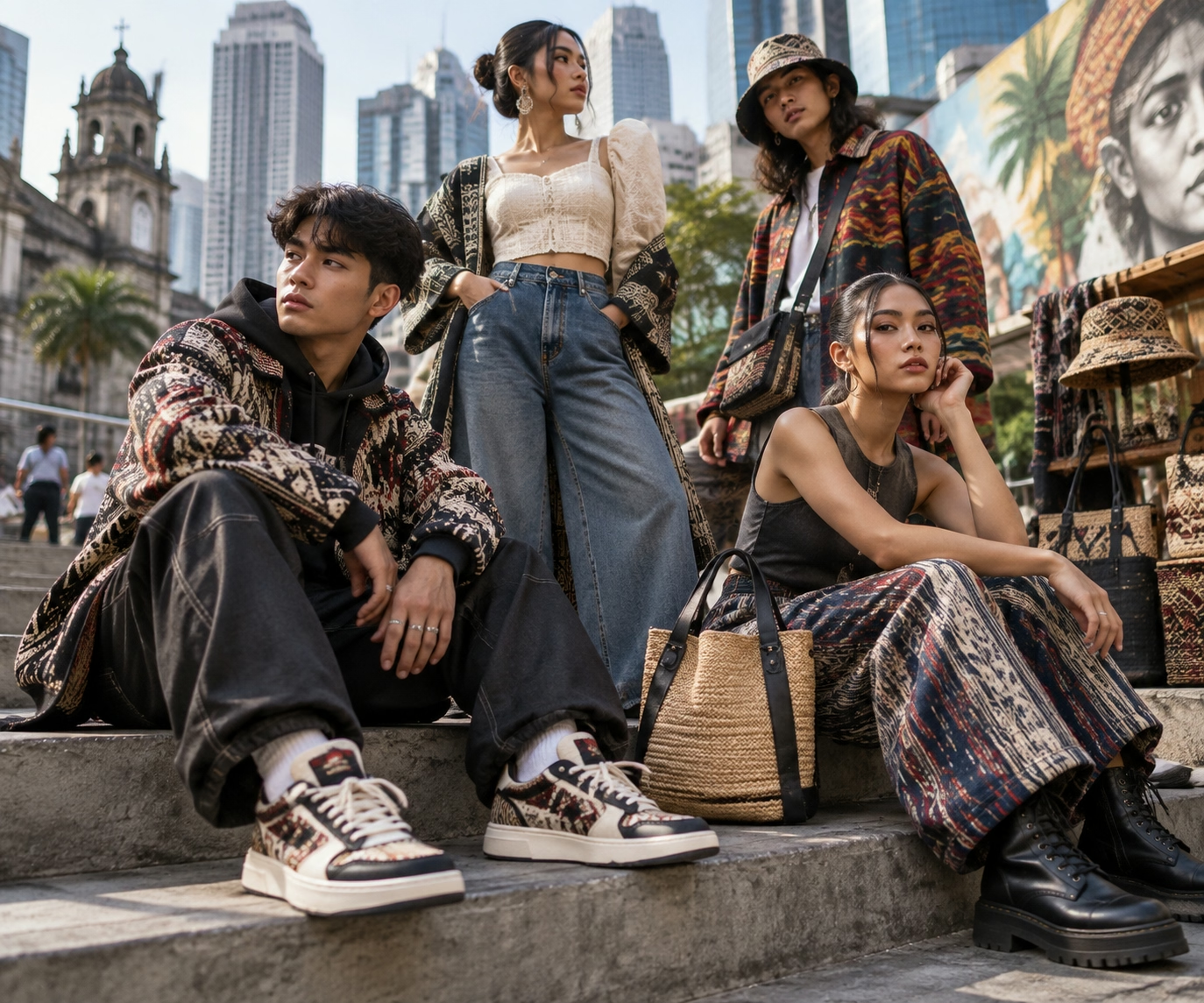
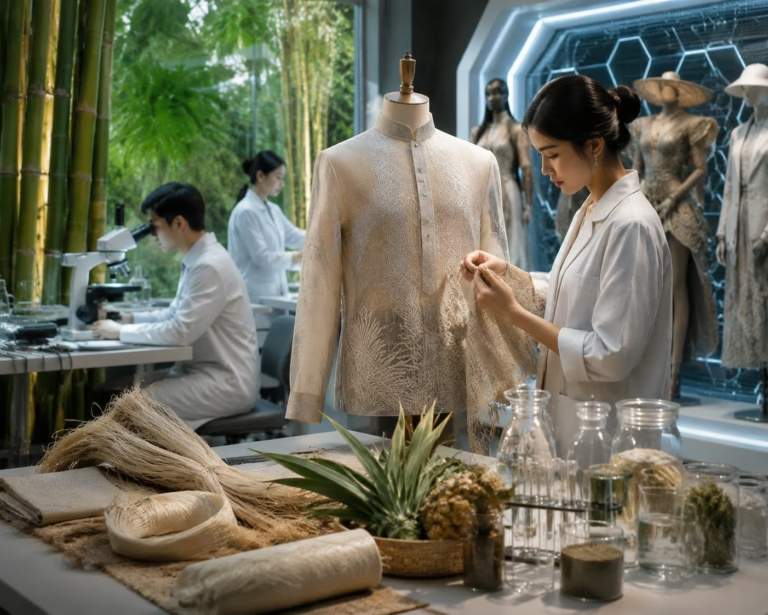
Local designers, especially in cities like Zamboanga, Cagayan de Oro, and Davao, have begun to tailor their creations to the unique needs of the Muslim community. This includes designing clothes that adhere to Islamic principles of modesty but are also trendy and functional. Dresses, long tunics, abayas, and kaftans are being crafted with a blend of cultural influences, often featuring Filipino textiles and techniques. Many of these designers incorporate indigenous fabrics such as piña, abaca, and cotton, adding a distinctly Filipino flavor to Islamic fashion.
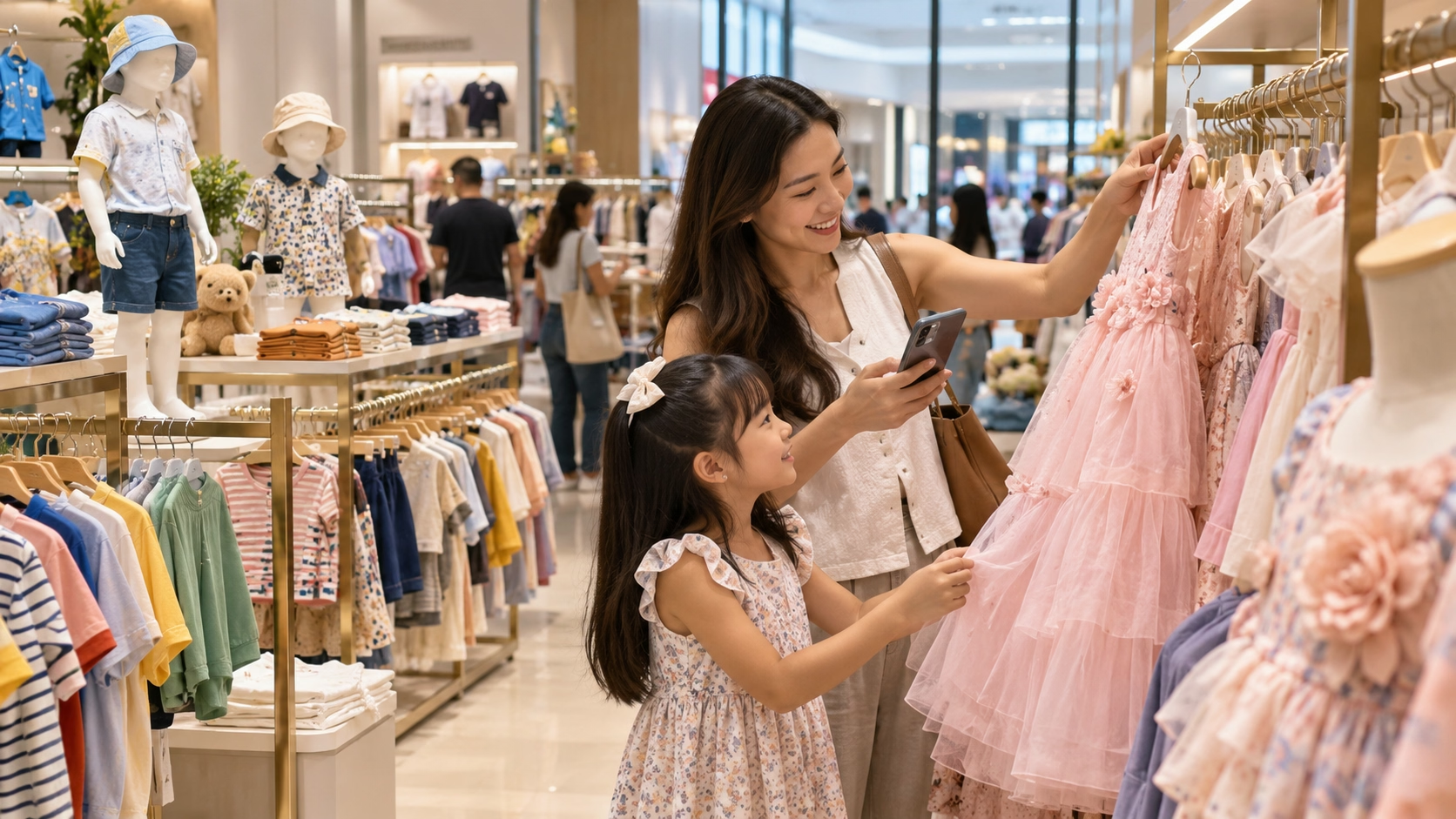
In addition to the growing number of local designers, international brands catering to Muslim consumers have also found a market in the Philippines. The increasing demand for modest yet fashionable clothing has led to the opening of stores offering Muslim attire in major shopping malls across the country. This has led to greater accessibility for the Muslim population, allowing them to express their cultural identity through their clothing while remaining fashionable.
The rise of Muslim fashion in the Philippines also reflects broader changes in the region’s social and economic landscape. As the country becomes more diverse and urbanized, fashion has become a platform for expression and identity. Young Muslim Filipinas, empowered by the rise of modest fashion, are increasingly visible in mainstream media and social platforms, showcasing their style and inspiring others to embrace their cultural roots.
Despite these developments, there are still challenges to overcome. One major issue is the lack of widespread education about Islamic fashion, which can often lead to misunderstanding or misrepresentation of Muslim clothing practices. Furthermore, the Muslim fashion market in the Philippines is still growing, and there is a need for further innovation and investment in this sector to ensure sustainability and growth.
However, the future of Muslim fashion in the Philippines looks promising. With greater cultural acceptance, a growing number of skilled designers, and a larger consumer base, the fashion industry is poised to continue embracing the beauty and diversity of Muslim attire. The evolution of Muslim fashion in the Philippines represents not only an economic opportunity but also a celebration of cultural identity and inclusivity.
About the Author