
Filipino food is experiencing a renaissance. While it has always been beloved by Filipinos, the global culinary stage has only recently started to acknowledge its full potential. This shift in attention has led to a surge in modern Filipino fusion cuisine, where traditional dishes are transformed using contemporary techniques and international influences. Filipino chefs are now redefining their culinary identity, blending old flavors with new, creating dishes that honor the past while embracing the future.
At its core, Filipino fusion cuisine is about adaptation and innovation. For decades, Filipino food has been a reflection of the country’s multicultural history, shaped by indigenous, Spanish, Chinese, and American influences. Today, the fusion movement takes that historical blend and incorporates even more global elements, merging Filipino ingredients with flavors and techniques from all over the world.
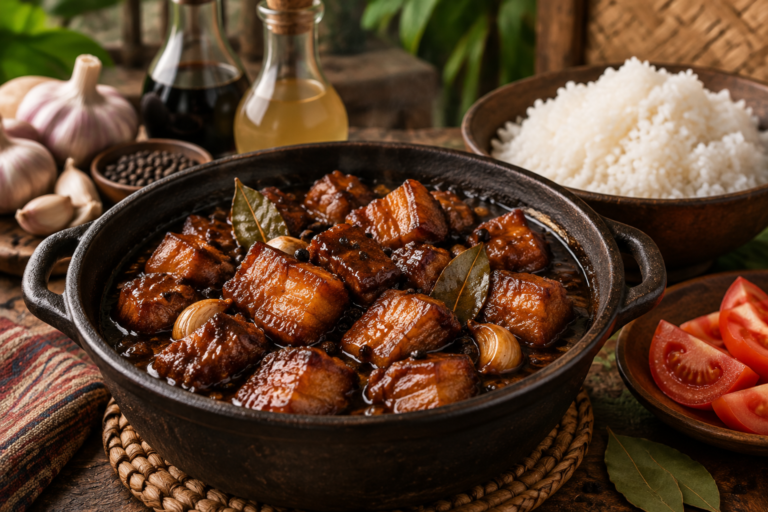
One of the most exciting aspects of Filipino fusion cuisine is its ability to elevate traditional dishes. For example, dishes like adobo or sinigang, which are staples of Filipino home cooking, are now being presented in contemporary ways that are unexpected and delightful. In some cases, traditional dishes are deconstructed, allowing diners to experience the flavors in a completely new context. Sinigang, for instance, may be served as a sinigang-inspired sorbet, offering the signature sour flavor in a refreshing new form.
The influence of modern cooking techniques is also a key factor in the evolution of Filipino fusion cuisine. Methods such as sous-vide cooking, fermentation, and smoking are being applied to Filipino dishes, enhancing their flavors and textures. Lechon, the Filipino roast pig, for example, may be reimagined as a slow-cooked version using sous-vide, resulting in a melt-in-your-mouth experience that’s different from the traditional crispy-skinned roast.
Another exciting trend in Filipino fusion is the combination of Filipino and international street food. Filipino street food, which has its own distinct flavors and preparation methods, is now being merged with global food trends. Imagine Filipino skewers served with a Korean barbecue glaze or a Filipino-style taco incorporating classic Mexican toppings. These innovative creations bring new life to street food favorites while making them accessible to a wider audience.
Filipino desserts are also part of the fusion movement. Classic desserts like halo-halo, made with shaved ice and a variety of ingredients, have been given a modern twist in upscale restaurants. Ingredients like matcha, truffle, and coconut have been incorporated into halo-halo, while new interpretations of leche flan include the addition of exotic spices and flavors.
Filipino fusion cuisine is more than just a trend; it represents a broader movement within the culinary world to explore and embrace diverse food cultures. As the world becomes more connected, Filipino food is having its moment, and the fusion movement is helping it reach new heights. By combining traditional Filipino flavors with global influences, Filipino chefs are not only preserving their culinary heritage but also taking it to new frontiers, creating dishes that speak to both the past and the future.
About the Author