
The Philippines, with its vast expanse of coastline and abundant marine resources, is a paradise for seafood lovers. From its crisp, clear waters comes an array of fish, shellfish, and crustaceans that are the heart of Filipino cuisine. The country’s seafood dishes are diverse, flavorful, and deeply tied to the everyday life of its coastal communities. The influence of the sea is felt in every region of the archipelago, with each area offering its own unique approach to cooking and enjoying seafood.
Popular Filipino Seafood Dishes
When it comes to seafood, one of the most beloved dishes is sinigang na isda, a sour soup made with fish such as bangus (milkfish) or tilapia. The base of the soup is a tangy tamarind broth, which is complemented by an assortment of fresh vegetables like okra, eggplant, and string beans. The fish adds a delicate flavor that harmonizes with the sharpness of the tamarind, making it a perfect dish for the warm Filipino climate.
Another quintessential seafood dish is binagoongan na hipon, which involves shrimp cooked in a savory, fermented shrimp paste sauce. The rich, umami-packed flavor of bagoong brings a distinct depth to the shrimp, making it a favorite among those who enjoy bold flavors. The shrimp is often paired with steamed rice to balance the intensity of the sauce.
Regional Seafood Specialties
Filipino seafood is often prepared in ways that highlight regional ingredients and techniques. In the coastal regions of Mindanao, seafood is often grilled, known as sugba, which is a popular method of preparing shrimp, squid, and fish. The seafood is marinated in a mixture of soy sauce, calamansi, garlic, and chili, then grilled over charcoal for a smoky, charred flavor that perfectly complements the sweetness of the seafood.
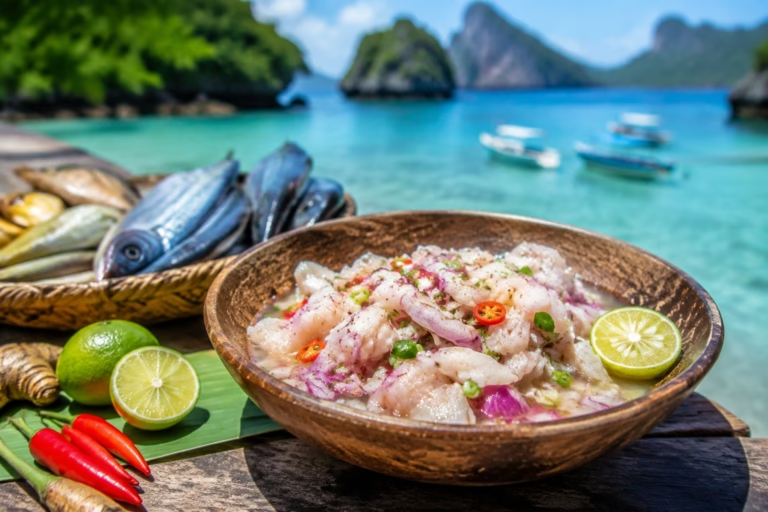
In the Visayan region, seafood is often served fresh and raw, as seen in kinilaw. This dish consists of fish marinated in vinegar, citrus juice, and sometimes coconut milk, offering a refreshing, light dish that is especially popular in coastal communities where the catch is fresh daily.
The Challenges of Sustainability
Despite the Philippines’ abundance of seafood, the industry faces environmental challenges. Overfishing, illegal fishing, and habitat destruction threaten the sustainability of the country’s marine resources. However, various initiatives are underway to promote sustainable fishing practices and raise awareness about the importance of preserving marine life. These efforts include community-based fisheries management, establishing no-fishing zones, and encouraging responsible seafood consumption.
A Culinary Connection to the Sea
For Filipinos, seafood is more than just food—it is a connection to their heritage, their communities, and their oceans. The flavors of the sea are celebrated in every dish, whether in a hearty bowl of sinigang, a tangy kinilaw, or a smoky grilled shrimp. Filipino seafood dishes not only reflect the abundance of the Philippines’ coastal waters but also the creativity and resourcefulness of the Filipino people in utilizing the natural resources available to them.
About the Author