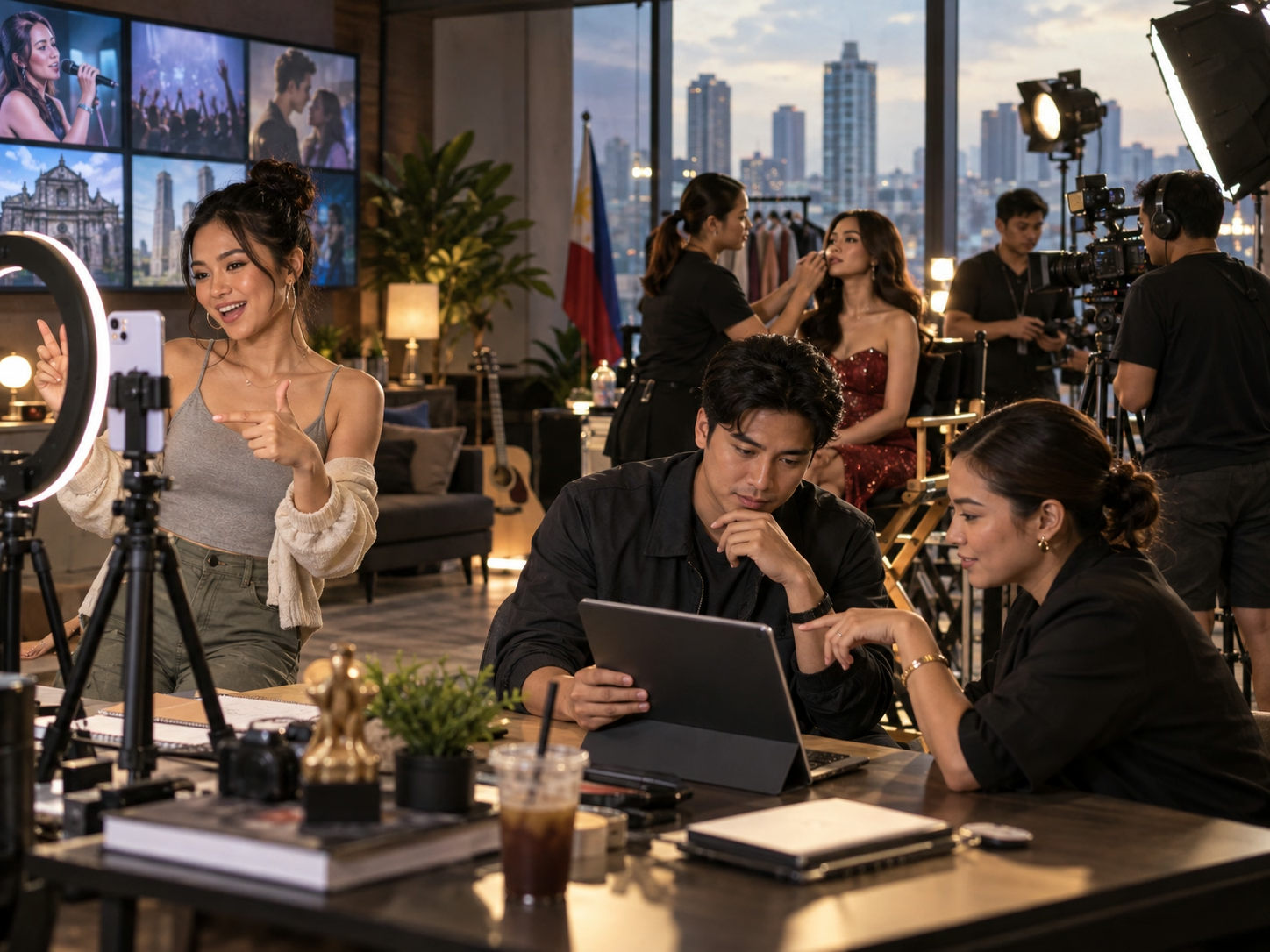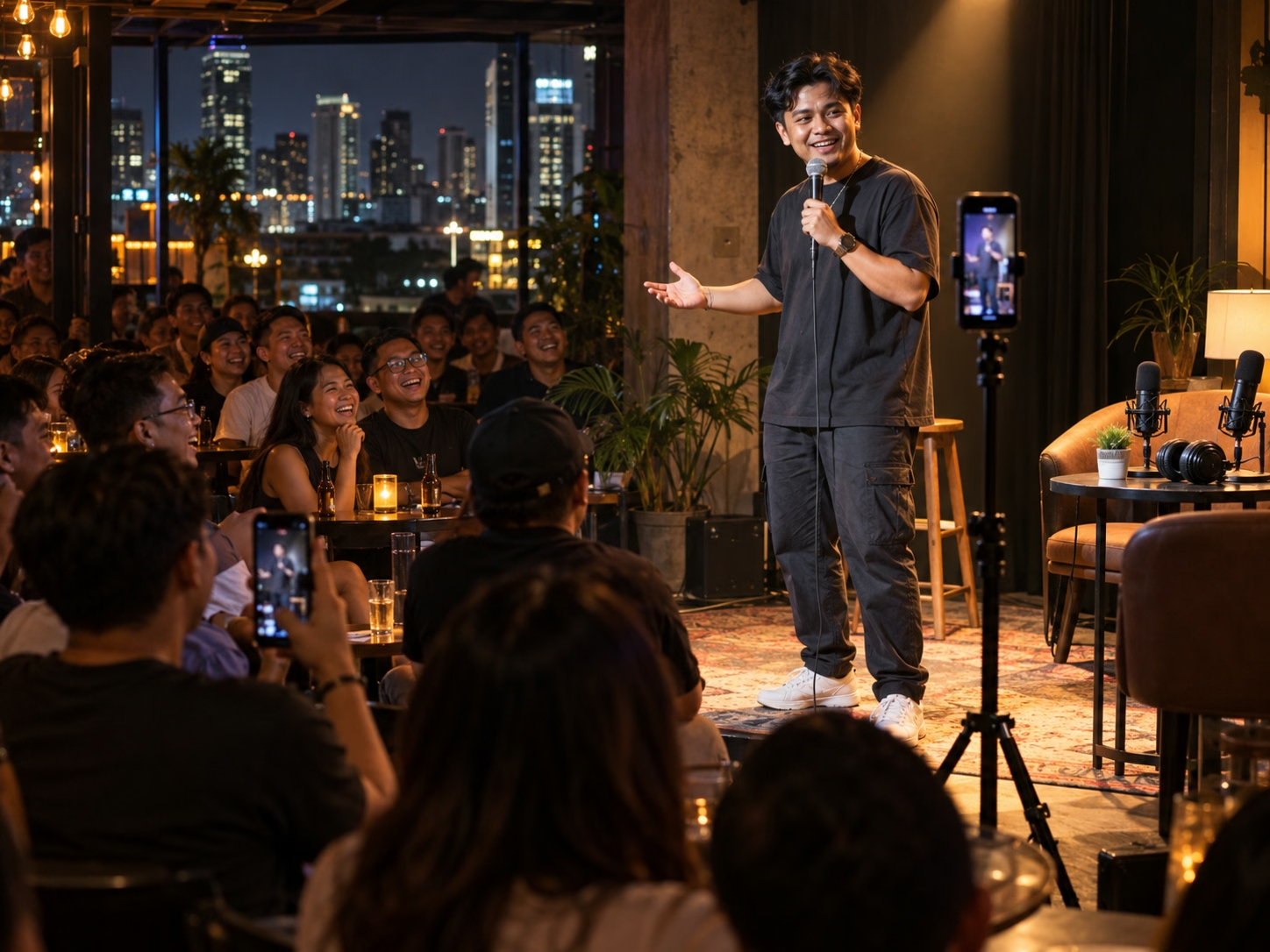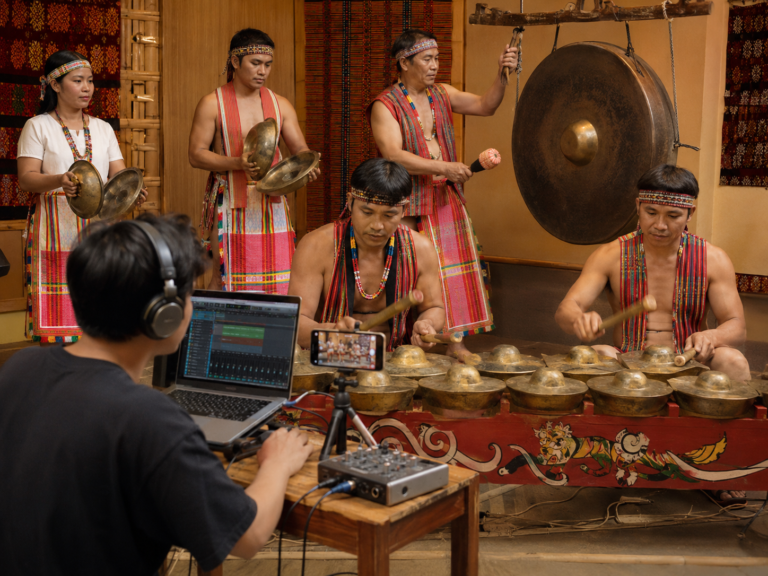

The digital revolution has fundamentally altered many aspects of everyday life, and Filipino entertainment is no exception. Social media platforms like Facebook, Twitter, Instagram, and TikTok have transformed how entertainment content is created, consumed, and marketed in the Philippines. These platforms have given rise to new opportunities for artists and entertainers while simultaneously challenging the traditional models of entertainment distribution.
In the past, Filipino audiences primarily consumed entertainment through television and radio. While television networks and film studios played a central role in shaping the entertainment landscape, the rise of social media has shifted the power dynamics. Independent content creators now have the opportunity to produce and share their work directly with their audience, bypassing traditional media outlets. This has led to a surge of new and diverse content, from funny viral videos to music that spreads quickly through viral challenges.
One of the key benefits of social media is its ability to foster direct interaction between Filipino celebrities and their fans. Through posts, comments, and live streams, fans can engage with their idols in ways that were previously unimaginable. Celebrities can now connect with their followers in real-time, building a sense of community and loyalty. This deeper engagement has reshaped the celebrity-fan dynamic, making it more personal and interactive.
Furthermore, the viral nature of social media has created new avenues for entertainment to spread. Trends and challenges often go viral, driving massive engagement and making entertainment content instantly popular. For instance, a popular dance challenge or a catchy song can quickly capture the public’s imagination, transforming it into a cultural phenomenon. Social media allows Filipino entertainment to reach audiences not just in the Philippines, but globally, helping Filipino talent achieve international recognition.
Another important development is the commercialization of social media platforms. Celebrities and influencers now use their platforms to generate income, promoting brands and products through sponsored posts and endorsements. Social media has created a thriving ecosystem of influencers and advertisers, where entertainers can monetize their online presence in new ways.
However, this new era of social media-driven entertainment also brings its own set of challenges. The need for constant content creation can lead to stress and burnout for creators. Additionally, the fast-paced nature of social media can lead to the spread of misinformation, affecting both entertainers and their fans. The pressure to maintain a perfect online image can also contribute to the mental health challenges that many celebrities face.
In conclusion, social media has revolutionized the Filipino entertainment industry, giving rise to new forms of content, democratizing the entertainment creation process, and creating new opportunities for monetization. While there are challenges associated with the digital age, the influence of social media in Filipino entertainment is undeniable, and it will continue to shape the industry for years to come.
About the Author