
The wedding attire worn in the Philippines is much more than just a costume—it is a reflection of the nation’s vibrant culture, rich history, and deep respect for tradition. The carefully selected garments worn by the bride and groom serve as a representation of their families, their heritage, and their values. Filipino wedding attire combines beauty with profound symbolism, making it an essential part of the wedding ceremony.
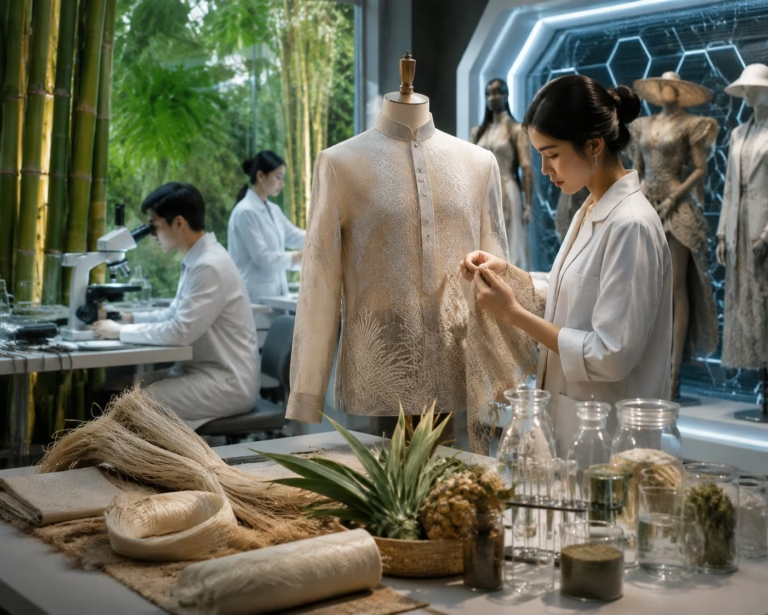
The “Barong Tagalog” is one of the most recognizable pieces of Filipino wedding attire. Traditionally worn by the groom, the Barong is a lightweight, embroidered shirt made from natural fibers such as piña or jusi. The shirt is usually untucked, giving it an elegant yet comfortable appearance. The Barong’s embroidery is often intricate and symbolic, with motifs that represent nature, life, and family. Its transparent appearance is meant to convey purity, and the use of lightweight materials makes it ideal for the country’s warm climate.
For the bride, the “Baro’t Saya” is a classic choice. This two-piece ensemble features a blouse made from fine fabrics such as piña or silk, and a flowing skirt that reaches the floor. The blouse often includes hand-embroidered details, which reflect the bride’s family heritage or region. The Baro’t Saya combines modesty with beauty, and its elegant design embodies the Filipino woman’s grace and strength.
The “mantilla” is another essential element in Filipino wedding attire. This lace veil, worn by the bride, carries deep religious significance. It represents purity and devotion and adds a layer of elegance and solemnity to the bride’s overall appearance. Many Filipino brides also wear accessories like the “panuelo,” a decorative shawl worn around the shoulders, or the “kamisa,” an embroidered blouse worn over the Baro’t Saya.
The materials used in Filipino wedding clothing are of great cultural importance. Piña fabric, derived from pineapple fibers, is highly regarded for its durability, translucency, and elegance. The intricate hand-embroidery that adorns both the Barong Tagalog and the Baro’t Saya is a testament to the craftsmanship of Filipino artisans who carefully weave each thread to create designs that carry meaning and significance.
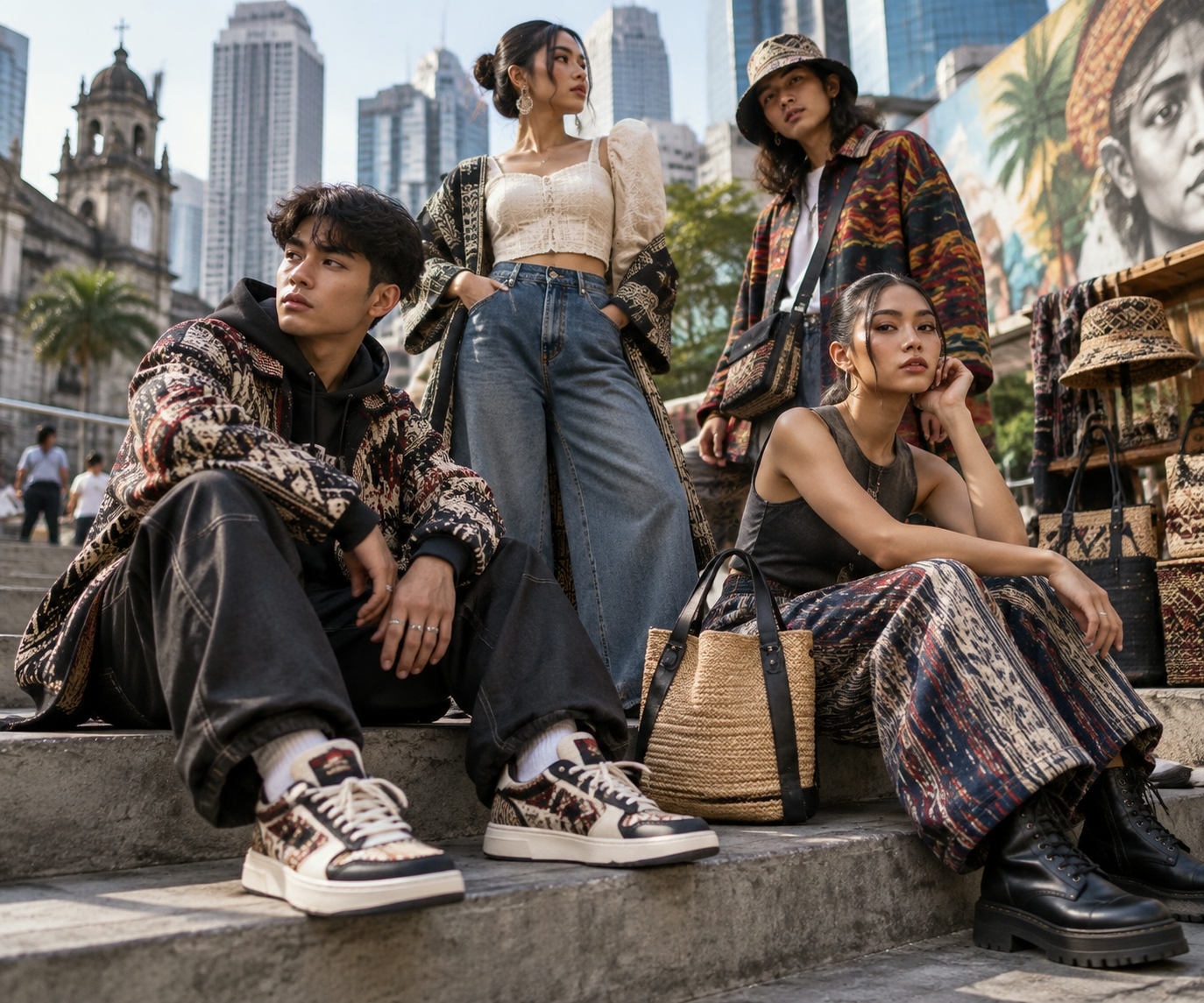
While many couples still choose to wear traditional Filipino wedding attire, there are modern adaptations as well. Brides may opt for contemporary gowns with Filipino-inspired elements, such as embroidery or unique fabric choices. Grooms may also wear suits but incorporate subtle Filipino touches, such as embroidered cuffs or a barong-style shirt beneath the jacket.
Filipino wedding attire is not merely about fashion—it is about honoring the past, celebrating the present, and looking toward the future. The garments worn on this special day reflect the couple’s love, respect for their heritage, and their commitment to preserving Filipino cultural traditions.
About the Author