
Filipino fashion is a dynamic reflection of the Philippines’ rich cultural history, shaped by various influences that have left their mark on the country’s clothing traditions. From pre-colonial times to the present day, Filipino fashion has evolved by blending indigenous practices with foreign influences, creating a distinctive style that tells the story of the nation’s past while embracing modernity.
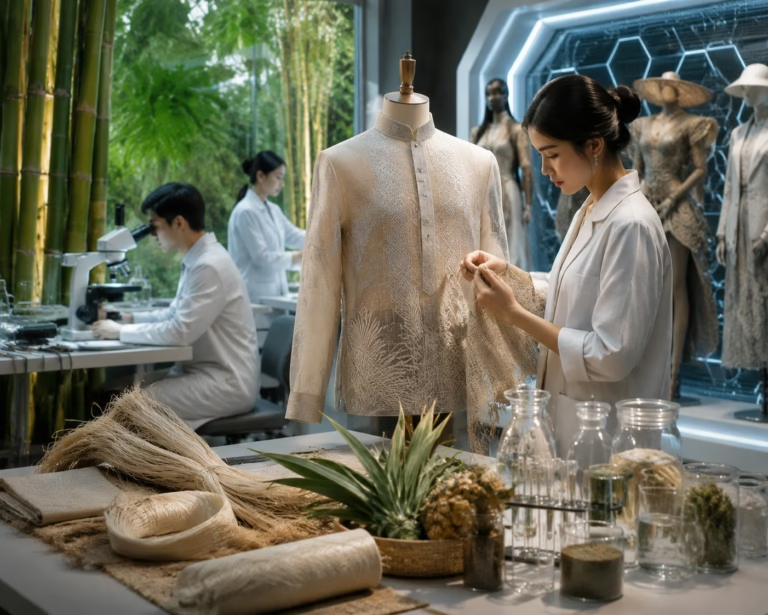
The history of Filipino fashion is deeply intertwined with the country’s colonial past, particularly the Spanish occupation that lasted for over 300 years. Traditional Filipino attire, such as the barong Tagalog and baro’t saya, were heavily influenced by Spanish fashion. These garments featured European-style designs but were made from local materials such as piña and jusi fabric. The barong Tagalog, in particular, became a symbol of Filipino identity, worn for formal events and significant occasions.
The arrival of American colonizers in the early 20th century brought new styles and clothing trends, especially in urban areas. Western fashion became more prevalent, with American-style suits, dresses, and casual wear gaining popularity. However, Filipino designers did not simply adopt these trends; instead, they integrated local elements into these Western styles, creating a hybrid that was both modern and culturally Filipino. This fusion of local and foreign elements formed the basis of the country’s contemporary fashion scene.
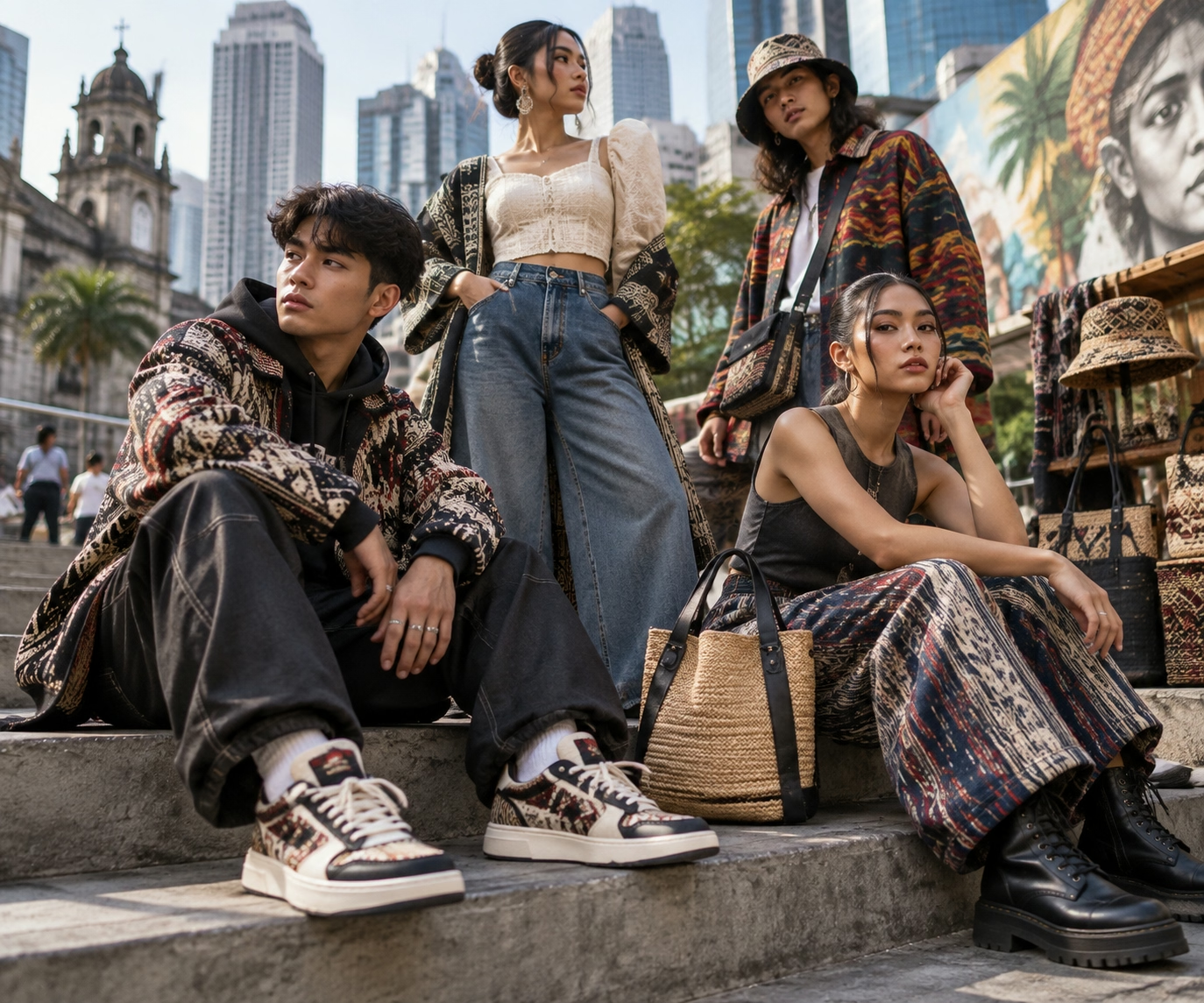
One of the most significant aspects of Filipino fashion is its incorporation of indigenous textiles and designs. The Philippines is home to more than 100 distinct indigenous groups, each with its own weaving traditions and textile styles. These include the t’nalak from the T’boli people, abaca from the Bicol region, and Inabel from Ilocos. Designers like Rajo Laurel, Terry S., and Cary Santiago have become known for their use of these indigenous fabrics, incorporating them into modern fashion pieces that celebrate Filipino craftsmanship.
Today’s Filipino fashion scene is a melting pot of influences, with designers constantly experimenting with new ways to blend tradition and modernity. The Manila Fashion Festival and other fashion shows showcase designs that merge indigenous fabrics with contemporary Western silhouettes, creating a truly global fashion language that still honors the country’s roots. The fashion industry in the Philippines has gained international recognition, with Filipino designers receiving acclaim for their creativity and ability to blend various cultural elements.
In addition, the growing movement towards sustainability has further encouraged the use of local materials and artisanal practices. Many Filipino designers are now focusing on eco-friendly designs, working closely with artisans to ensure that traditional weaving techniques and local materials are preserved for future generations.
In conclusion, Filipino fashion is a testament to the country’s rich cultural heritage and its ability to evolve. The blending of indigenous, colonial, and modern influences has created a fashion landscape that is both unique and forward-thinking. As the global fashion industry continues to evolve, Filipino fashion remains a powerful expression of the nation’s identity and creativity.
About the Author