
When most people think of the Philippines, they envision pristine beaches, crystal-clear waters, and world-class resorts. While these attractions certainly draw visitors from around the globe, the true magic of the Philippines lies in its lesser-known islands, where local cultures and traditions remain vibrant and unspoiled by commercial tourism.
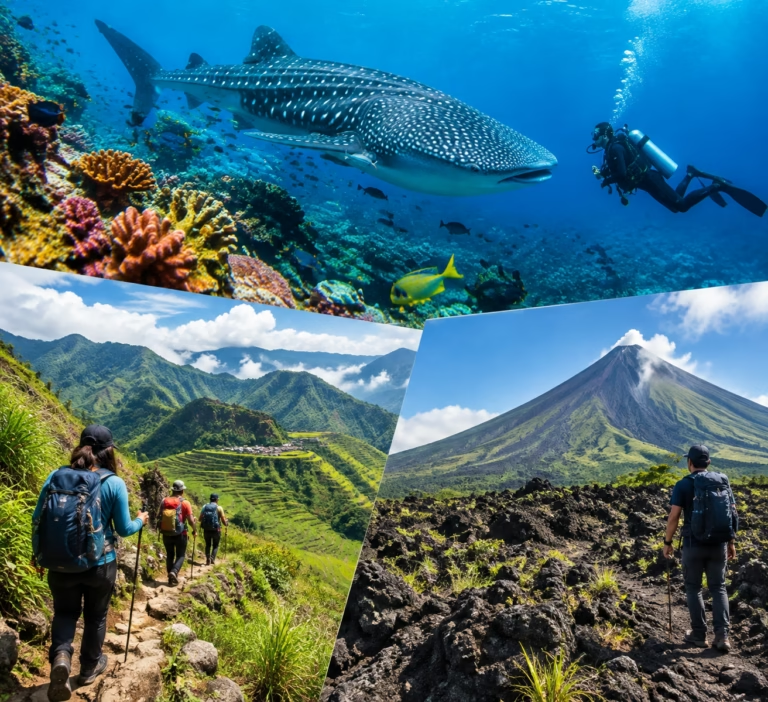
Batanes is one such destination, where time seems to slow down, and the rhythms of life follow the natural flow of the land. The Ivatan people, who inhabit this remote archipelago, live in harmony with the environment, using stone houses and traditional farming techniques to withstand the challenges of their rugged surroundings. Visitors to Batanes can explore its rolling hills, interact with the locals, and gain insight into a way of life that has remained largely unchanged for centuries.
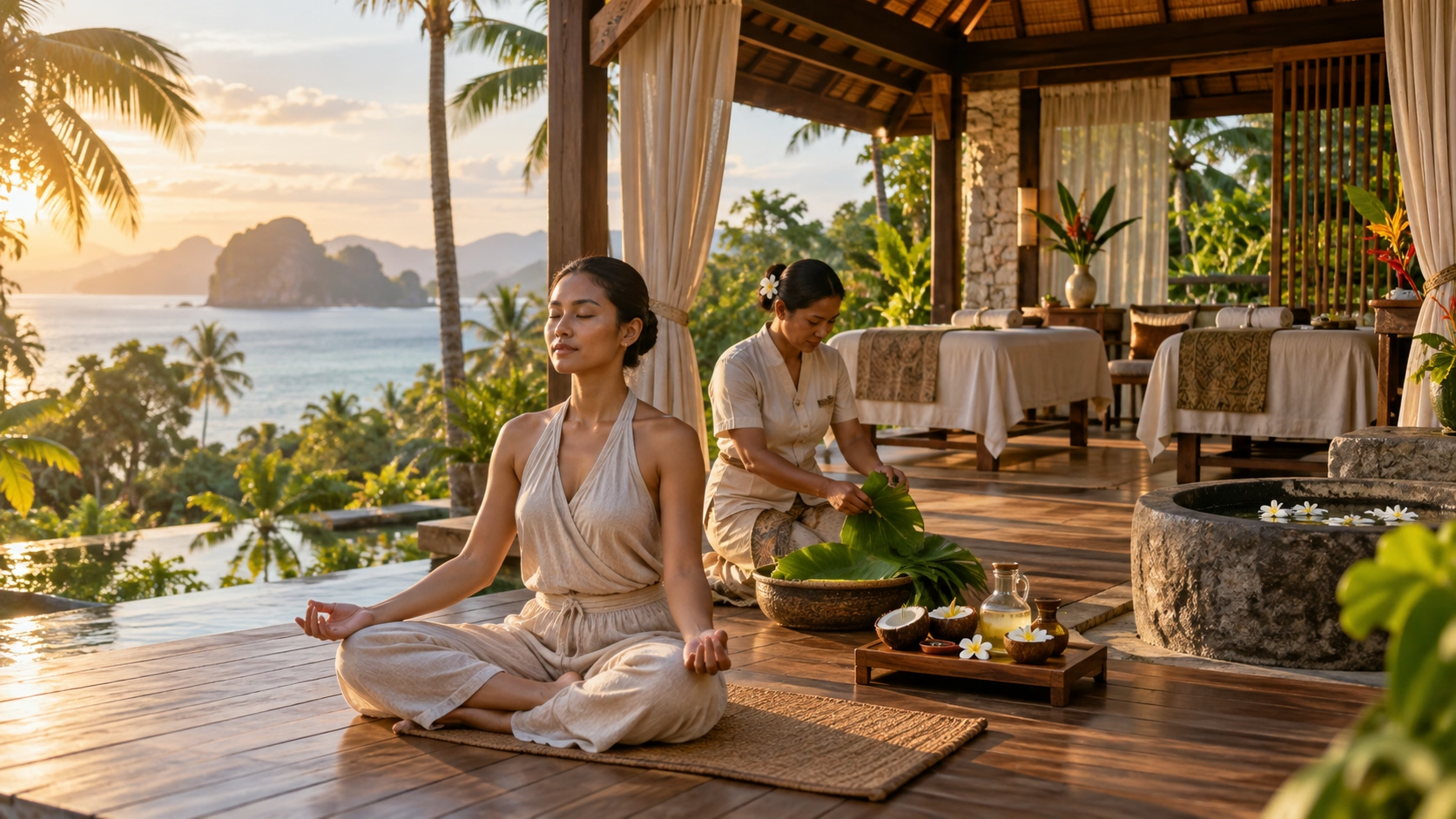
In the Visayas, the islands of Siquijor and Camiguin offer unique glimpses into the authentic Filipino way of life. Siquijor, known for its mysticism and quiet beauty, is a place where ancient healing practices still thrive. The island’s healers use herbs and spiritual rituals passed down through generations to cure ailments, and visitors can learn about these practices while exploring the island’s hidden waterfalls and untouched beaches.
Camiguin, with its volcanic landscape, offers a rich combination of history and nature. The island is home to historical landmarks, including the ruins of churches and cemeteries submerged by volcanic eruptions, as well as hot springs and waterfalls. The island’s peaceful atmosphere and the kindness of its people make it an ideal place to connect with Filipino island life.
One of the most profound ways to experience authentic Filipino culture is by visiting the indigenous communities of the Cordillera region. The Banaue rice terraces, an engineering marvel built by the Ifugao people over 2,000 years ago, showcase their expertise in sustainable farming practices. By visiting these terraces, travelers can witness the intimate connection between the Ifugao and the land, as well as their unique traditions and rituals.
Food plays a central role in the daily lives of Filipinos, and each island has its own culinary specialties. From fresh seafood to hearty stews, Filipino dishes reflect the island’s history and regional influences. Tasting local dishes in their natural setting, whether in a bustling market or a family-owned restaurant, offers a deeper understanding of Filipino culture.
Interacting with the locals is another essential part of discovering authentic Filipino island life. Filipinos are known for their warmth and hospitality, and travelers will find that their hosts are eager to share stories, traditions, and experiences. These encounters create lasting connections that enrich the travel experience and offer a deeper insight into the soul of the islands.
About the Author