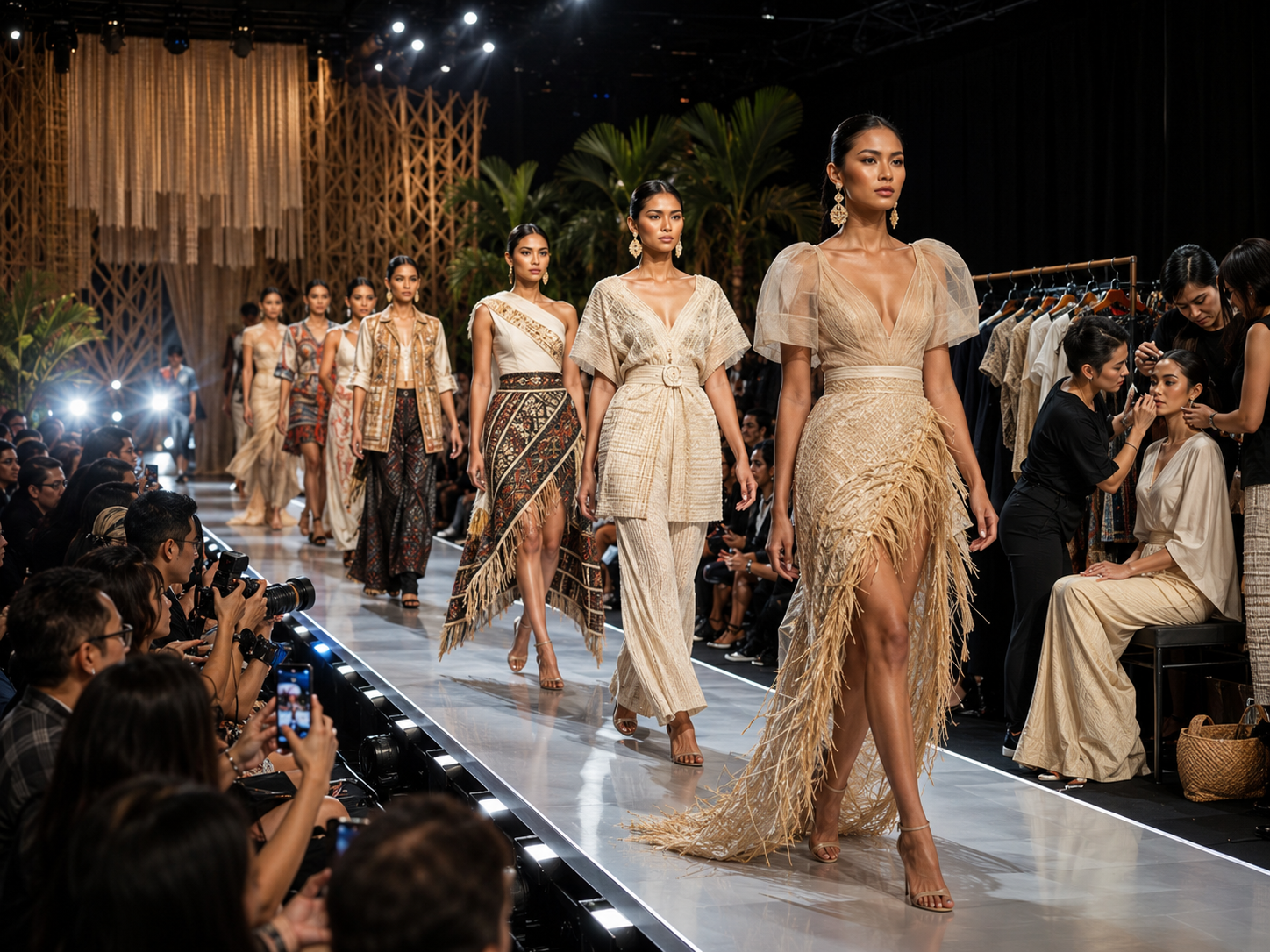
Fashion shows and events have become essential platforms in the Philippines, shaping the country’s fashion landscape and cultural identity. Over the past decade, the Filipino fashion industry has experienced significant growth, largely driven by the increased popularity of local and international fashion events. These occasions not only showcase creativity but also provide opportunities for designers, models, and brands to establish their presence and connect with audiences.
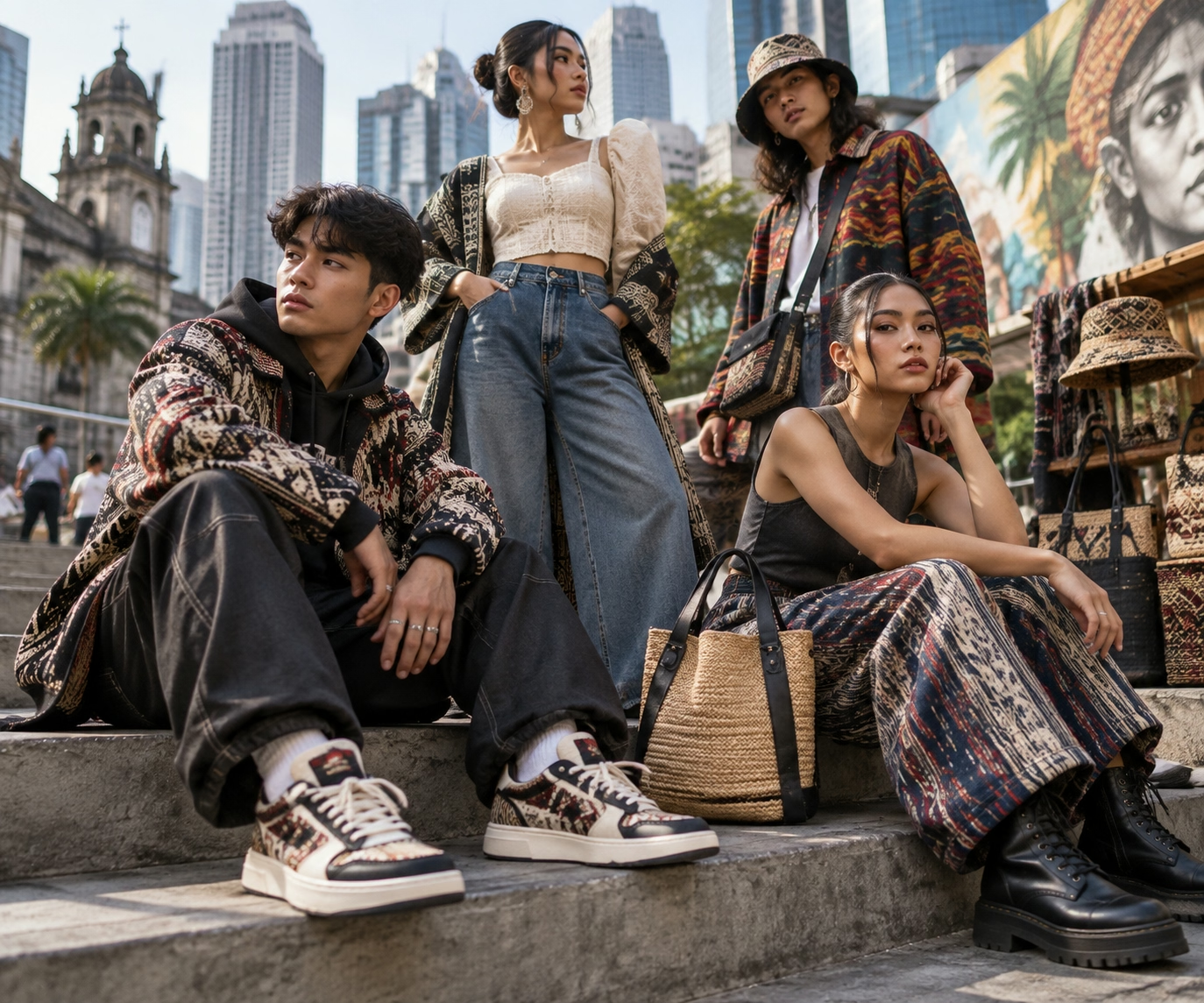
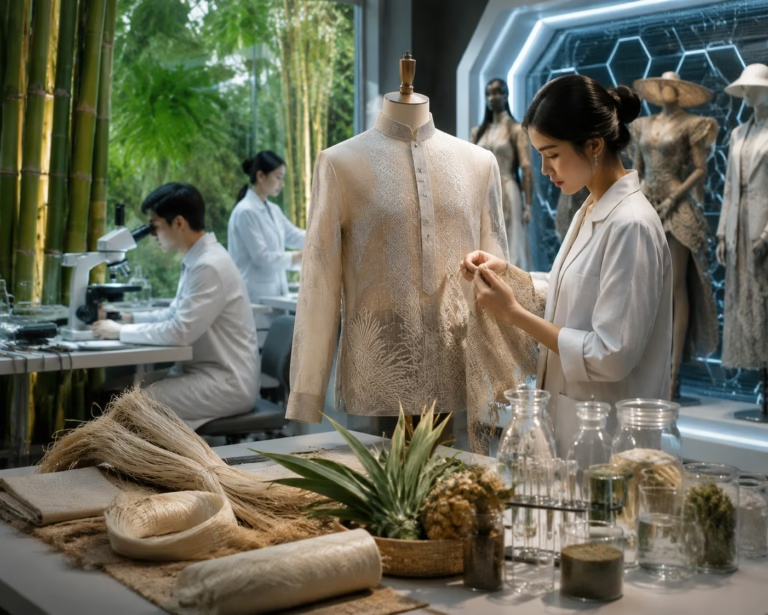
One of the main roles of fashion shows in the Philippines is to serve as a launchpad for emerging designers. Events such as the Philippine Fashion Week have created a platform for talented designers to present their collections to influential buyers, media, and fashion enthusiasts. These shows highlight innovative designs, local craftsmanship, and the unique fusion of traditional and modern styles. Filipino designers often incorporate indigenous textiles, such as piña and abaca, into contemporary designs, giving international exposure to Philippine artistry.
Fashion events also play a crucial role in promoting local talent in modeling, photography, and styling. Young models gain visibility on the runway, while stylists and makeup artists showcase their skills in a high-profile environment. For photographers, these events offer the chance to capture dynamic fashion moments, enhancing their portfolios. This interconnected ecosystem strengthens the overall fashion industry by encouraging collaboration and professional growth.
Moreover, fashion shows in the Philippines have become cultural phenomena, influencing trends and consumer behavior. Events often attract celebrities, influencers, and media coverage, which amplifies their impact on public perception. Attendees gain insight into upcoming trends, seasonal collections, and innovative designs, which in turn influence what consumers purchase and wear. As a result, fashion shows act as both a creative showcase and a market driver for the local fashion economy.
International exposure is another critical aspect of Philippine fashion events. Designers who participate in globally recognized shows often gain opportunities to collaborate with international brands or enter overseas markets. This exposure fosters cross-cultural exchange, allowing Filipino fashion to be appreciated worldwide while encouraging designers to experiment with diverse styles and techniques.
Additionally, fashion events contribute to economic development by generating employment and boosting related industries. From event planning and venue management to media coverage and merchandising, these occasions create a wide range of job opportunities. Local businesses, such as boutiques and suppliers of fabrics and accessories, also benefit from increased visibility and partnerships with designers.
The role of fashion shows and events in the Philippines extends beyond commercial and artistic purposes. Many events incorporate themes related to social causes, sustainability, and cultural heritage. Designers often use their collections to raise awareness about environmental issues, ethical production, or the preservation of indigenous crafts. This integration of advocacy with fashion highlights the industry’s potential to influence societal values while celebrating creativity.
In conclusion, fashion shows and events are pivotal in the Philippines, serving as platforms for talent development, cultural expression, and economic growth. By combining artistry with business opportunities, these events have cemented their position as significant contributors to the local fashion scene and as influential players on the global stage.
About the Author