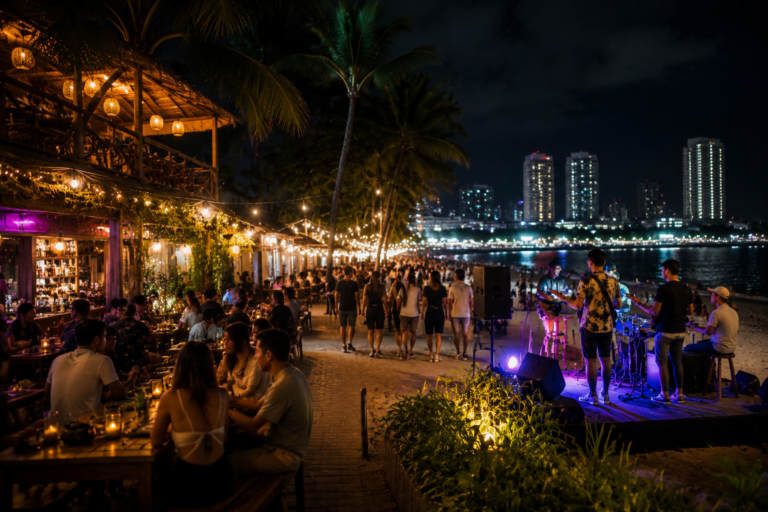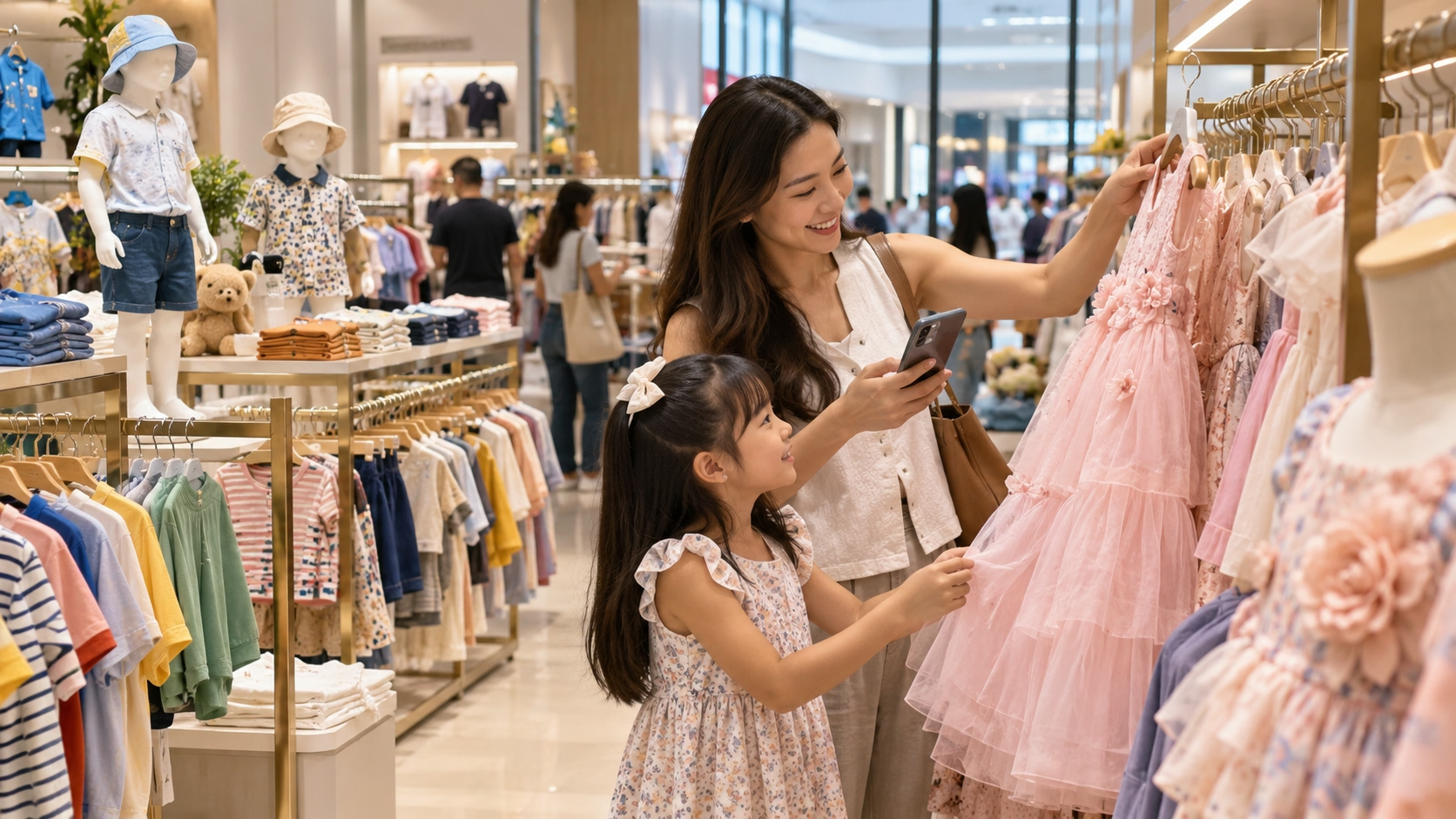
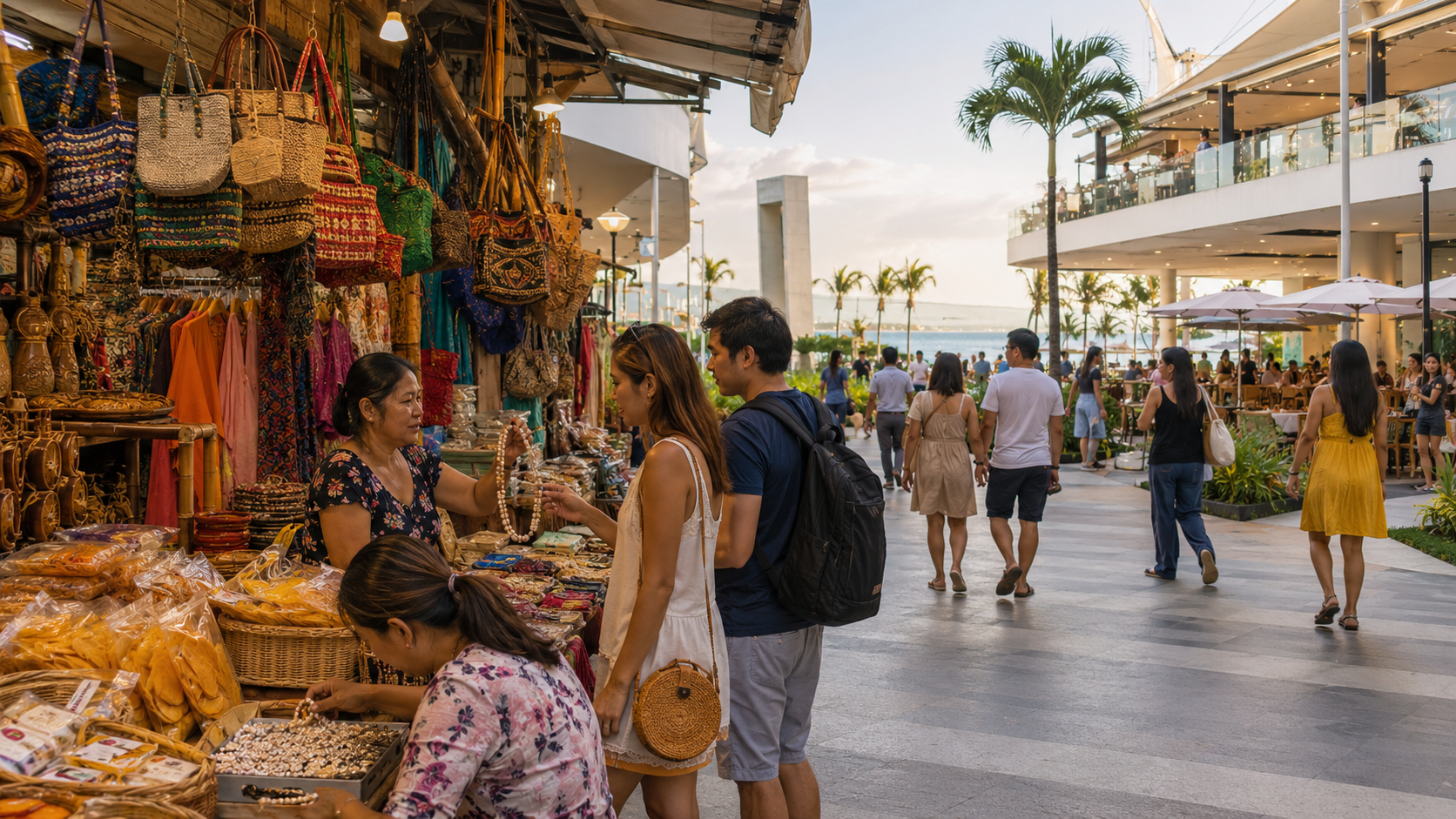
Shopping in the Philippines offers more than retail therapy. It is an opportunity to understand local craftsmanship, food culture, bargaining traditions, and the country’s fast-changing urban lifestyle. Travelers can move from crowded traditional markets selling affordable clothing and household goods to sophisticated malls filled with international fashion labels, restaurants, cinemas, and entertainment venues.
In 2026, the most rewarding shopping itineraries combine both environments. Local markets provide cultural interaction and lower prices, while modern shopping centers offer comfort, reliable facilities, and a wider selection of premium products.
Divisoria: Manila’s Center for Budget Shopping
Divisoria remains one of the most recognizable bargain-shopping districts in Metro Manila. Located around Binondo and Tondo, the area is known for wholesale clothing, accessories, textiles, toys, decorations, kitchen supplies, and seasonal products.
Shoppers usually visit malls such as 168 Shopping Mall, 999 Shopping Mall, and Tutuban Center before exploring nearby street stalls. Prices can be significantly lower when products are purchased in larger quantities, making Divisoria popular with small business owners as well as tourists.
Visitors should carry smaller bills, compare prices at several stalls, and keep personal belongings secure. Bargaining is common, but it should be done politely.
Greenhills: Pearls, Electronics, and Fashion
Greenhills Shopping Center in San Juan offers a more organized alternative to Divisoria. It is particularly well known for pearl jewelry, mobile phones, electronics, clothing, bags, and souvenir items.
Pearl buyers should ask about origin, quality, treatment, and certification before completing an expensive purchase. Electronics shoppers should also confirm warranty coverage, return conditions, and whether the device is compatible with networks in their home country.
Greenhills reflects a practical side of Philippine shopping culture: customers expect variety, comparison, and negotiation, while sellers compete through customization and personal service.
Famous Philippine Malls Worth Visiting
SM Mall of Asia in Pasay is among the country’s most prominent lifestyle complexes. Its location near Manila Bay allows visitors to combine shopping with dining, entertainment, and waterfront activities. The complex includes local retailers, global brands, cinemas, restaurants, and family attractions.
For a more upscale experience, Greenbelt in Makati features luxury boutiques, landscaped outdoor areas, restaurants, and direct access to other Ayala Center malls. Bonifacio Global City also attracts shoppers through destinations such as SM Aura and Bonifacio High Street.
Outside Manila, Ayala Center Cebu and SM Seaside City Cebu are important retail landmarks. They serve both tourists and local residents while showcasing the growing commercial influence of regional cities.
Travelers can review destination information and regional travel guidance through the country’s official tourism portal, Philippines.travel, before finalizing a shopping itinerary.
What to Buy as a Meaningful Souvenir
Popular Philippine purchases include handwoven textiles, capiz-shell decorations, locally produced coffee, dried mangoes, woven bags, woodcraft, pearl jewelry, and products made from abaca fiber.
Buyers looking for authentic crafts should ask where an item was produced and whether it came from a local community or artisan group. This simple question can help distinguish culturally meaningful products from mass-produced souvenirs.
Cash remains useful in traditional markets, although digital payments are increasingly common in urban areas. In major malls, credit cards and mobile wallets are widely accepted. Travelers should still keep receipts, inspect products carefully, and check airline restrictions before purchasing food, liquids, or fragile decorations.
About the Author