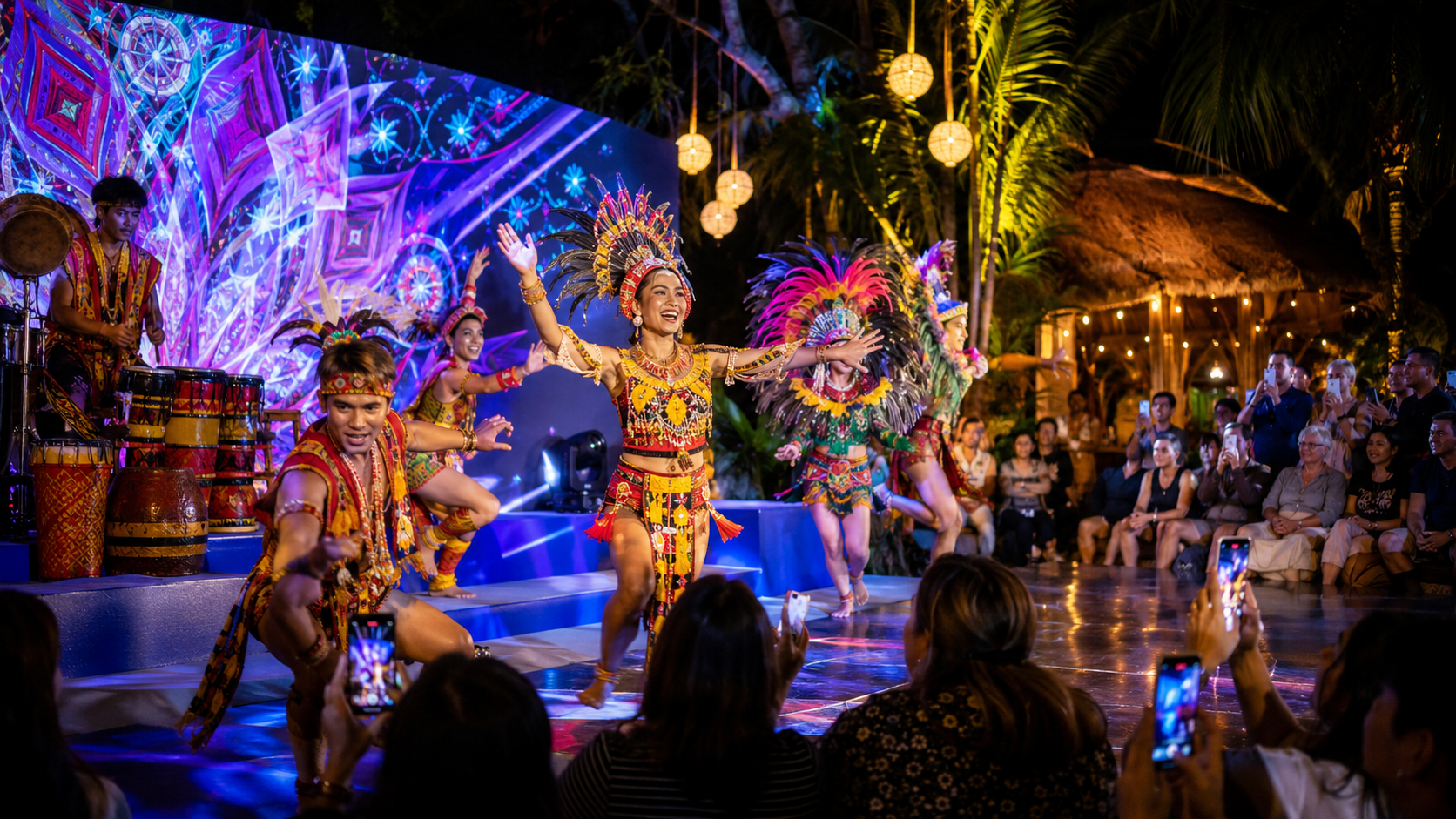
The Philippines is known for its breathtaking landscapes, but its cultural identity is equally shaped by thousands of years of storytelling, music, dance, and community rituals. Traditional Filipino performing arts remain an important part of national identity, connecting modern generations with indigenous traditions, colonial influences, and regional histories.
From colorful street festivals to ancestral dances performed by indigenous communities, cultural shows in the Philippines represent more than entertainment. They serve as living records of the country’s diverse ethnic groups and their unique ways of expressing beliefs, struggles, celebrations, and historical experiences.
The Philippine government continues to support cultural preservation through institutions such as the National Commission for Culture and the Arts (NCCA), which documents and promotes traditional art forms nationwide. According to the NCCA, the Philippines has more than 100 ethnolinguistic groups, each contributing distinctive artistic traditions to the country’s cultural landscape.
Source: https://ncca.gov.ph/
Famous Filipino Festivals Showcasing Traditional Performing Arts
Sinulog Festival: A Combination of Faith, Dance, and History
One of the most recognized cultural performances in the Philippines is the Sinulog Festival in Cebu City. Held annually in honor of the Santo Niño, the festival features massive street dancing performances where thousands of participants perform rhythmic movements accompanied by drums, trumpets, and traditional chants.
The Sinulog dance represents the historical encounter between indigenous Filipino traditions and Christianity introduced during the Spanish colonial period. Today, it attracts millions of visitors and demonstrates how religious celebrations have evolved into major cultural events.
Beyond tourism, Sinulog provides economic opportunities for local artists, musicians, costume designers, and performers who contribute to maintaining traditional creative practices.
Panagbenga Festival: Celebrating Identity Through Movement and Design
Another important cultural event is the Panagbenga Festival in Baguio City. Known as the “Flower Festival,” it combines artistic floats, choreographed street dances, and creative performances inspired by the Cordillera region’s natural environment.
The festival highlights how contemporary performances can incorporate indigenous influences while appealing to modern audiences. Local performers often integrate elements from traditional Cordilleran dances, creating a bridge between ancestral culture and present-day entertainment.
Indigenous Performances Preserve Ancient Filipino Stories
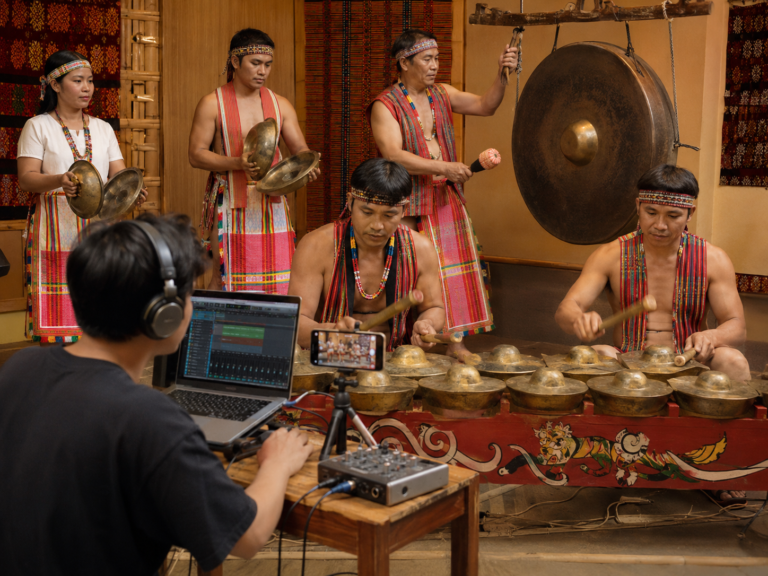
Beyond large festivals, many indigenous communities continue practicing traditional performances that carry historical knowledge. Groups such as the T’boli people of Mindanao preserve dances, music, and storytelling traditions connected to their spiritual beliefs and daily life.
The T’boli’s traditional music, including the use of instruments such as the kulintang and bamboo instruments, reflects their relationship with nature and community values. Performances are often presented during important gatherings, ceremonies, and cultural education programs.
A significant example of cultural preservation is the work of organizations supporting indigenous artists through workshops and documentation projects. UNESCO has recognized several Philippine cultural traditions as important examples of intangible heritage, emphasizing the need to protect traditional knowledge.
Source: https://ich.unesco.org/en/state/philippines-PH
How Modern Platforms Are Changing Cultural Performances
Technology is creating new opportunities for Filipino cultural performances to reach international audiences. Many cultural groups now use social media platforms, online exhibitions, and digital performances to introduce traditional arts to younger generations.
The COVID-19 pandemic accelerated this transformation as many festivals moved online. Although physical performances remain essential, digital platforms have allowed cultural organizations to reach audiences beyond geographical limitations.
This shift has created a new challenge: balancing accessibility with authenticity. Cultural practitioners emphasize that online exposure should not reduce traditional performances into simple entertainment but should maintain their historical meaning and cultural context.
Why Philippine Cultural Shows Matter in Today’s World
Traditional performing arts in the Philippines continue to demonstrate how culture can survive through adaptation. Festivals, indigenous performances, and community-based shows provide a connection between history and modern society.
As globalization changes how people experience culture, Filipino performing arts remain a powerful example of how communities can preserve identity while embracing innovation. These performances are not only celebrations but also educational experiences that reveal the Philippines’ complex history and cultural diversity.
About the Author