
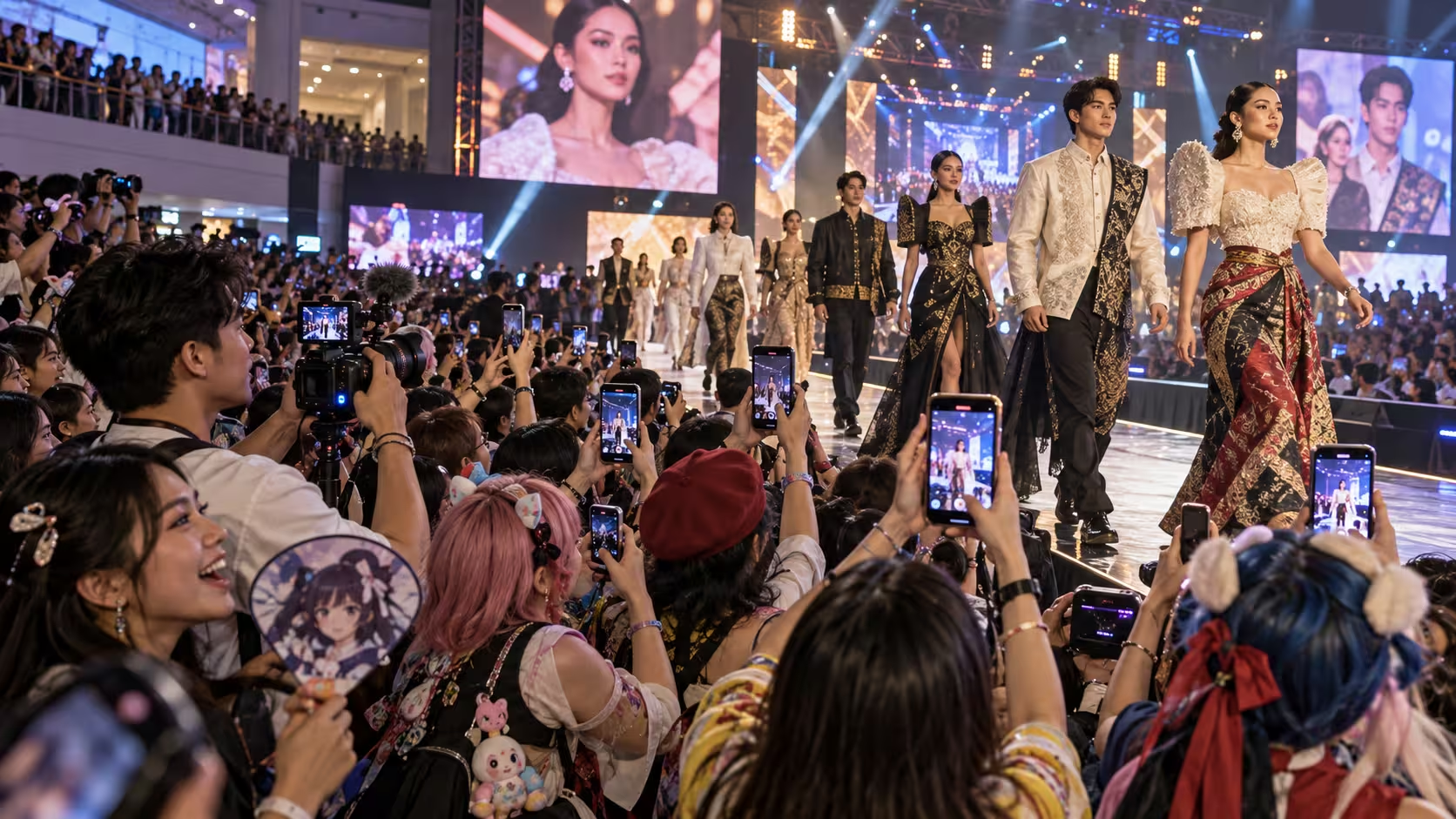
The Arena Effect: When a Ticket Purchase Becomes an Economic Multiplier
The Philippines has quietly become one of Southeast Asia’s hottest live entertainment markets, with fans known across the region for packing arenas, trending hashtags, and turning ticket sales into digital stampedes. What was once dismissed as teenage obsession has matured into a measurable economic force. Every sold-out concert now creates a ripple effect stretching far beyond the stage—hotel bookings, restaurant reservations, ride-hailing surges, shopping trips, and even domestic flights. Entire neighborhoods benefit from a single concert night.
The numbers tell a story that demands attention. According to Live Nation Philippines managing director Rhiza Pascua, 18% of the entertainment industry’s gross domestic product comes directly from LNPH-produced shows alone. Her message to Filipino parents has become something of a rallying cry: “Payagan niyo yung mga anak niyo [mag-concert] kasi tumutulong kayo sa ekonomiya”—let your children attend concerts because they are helping the economy.
SM Prime’s Arena Bet: Infrastructure Built on Fan Demand
SM Prime Holdings is not waiting for the trend to plateau. In June 2026, the property giant opened the 25,000-seat SM Seaside Cebu Arena—its second major arena development after the SM Mall of Asia Arena. The strategy is backed by more than a decade of data: since 2012, SM MOA Arena has hosted over 2,400 events, and in 2025 alone staged more than 200 shows with over 1.1 million attendees, a 10 percent increase from the previous year.
“These events reflect the strength of demand for large-scale, professionally managed venues in the Philippines,” said SM Prime President Jeffrey C. Lim. The Cebu arena positions the Visayas as a legitimate stop for international tours, allowing fans from the region to spend less on travel and more within their own communities.
The Visa Data That Changed the Conversation
Perhaps the most compelling evidence of Filipino fan spending power comes from Visa’s comprehensive study on concert expenditure across Asia-Pacific. The Philippines ranks fourth among top concert spenders in the region, with 38% of Filipinos attending concerts in the past year. More striking: Filipino concertgoers who travel abroad for shows spend 58% more on average than those who do not attend concerts, with the majority of their spending directed toward international brand apparel, luxury retail, and quick-service restaurants.
This spending behavior has caught the attention of global promoters and tourism boards alike. Live Nation Philippines has partnered with the Tourism Promotions Board to create concert packages with hotels, which Pascua confirmed “always sell”.
Fan Communities as Distribution Networks
The economic architecture of the Philippine concert economy is not built on passive consumption. Filipino fandoms function as active distribution networks. When SB19 held their “Wakas at Simula” trilogy concert finale, Pascua estimated that a third of attendees flew in for the show—including fans from Brazil and the Middle East. The A’Tin fandom’s four consecutive Billboard Fan Army Face-Off titles demonstrate how organized Filipino fanbases have become on global platforms.
This digital mobilization translates directly into commercial outcomes. SM Prime’s launch of Ticketmaster Philippines in October 2026 signals that live entertainment operators are investing in digital ticketing infrastructure, fraud prevention, and fan engagement tools to capture this demand more effectively.
About the Author