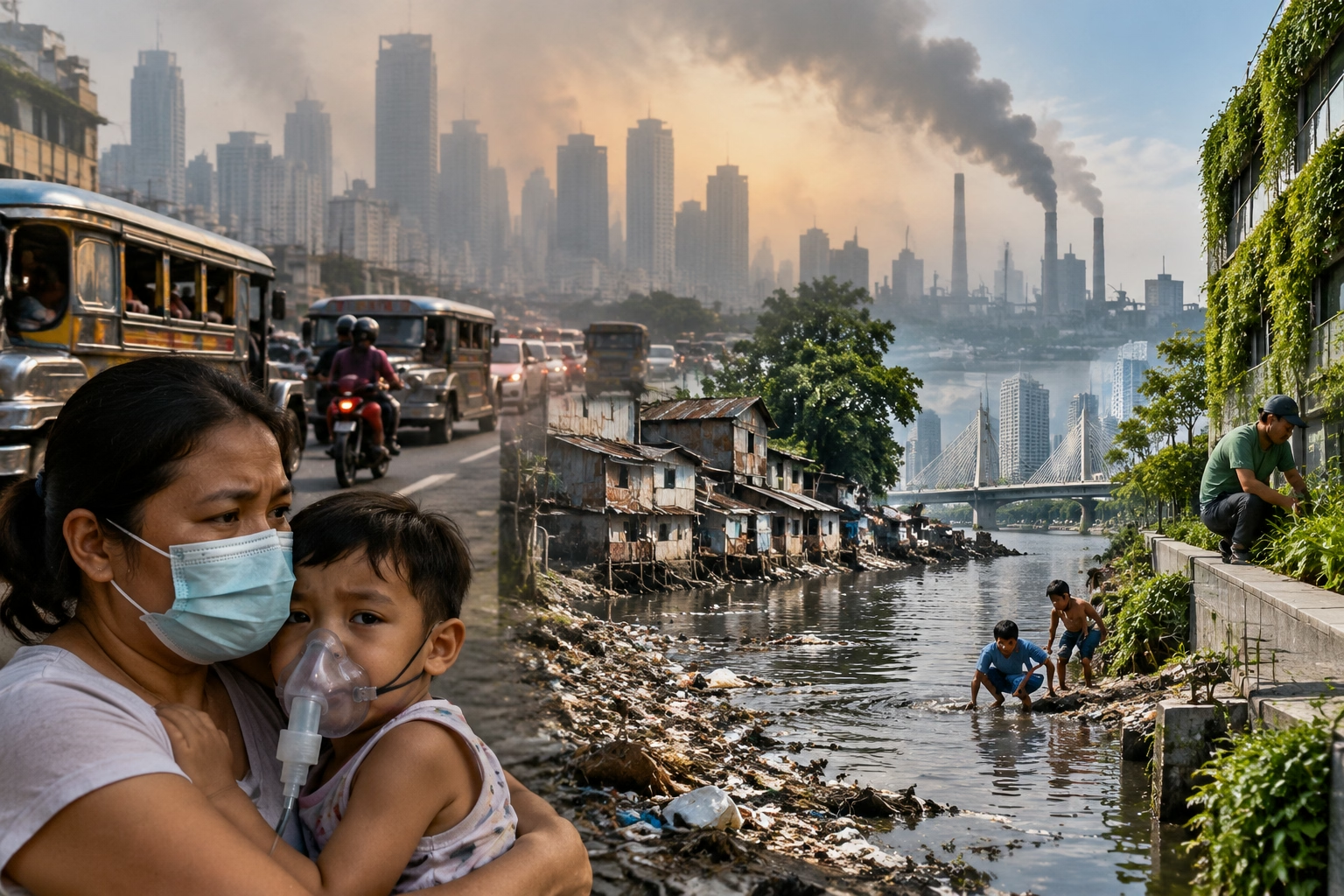
Non-communicable diseases (NCDs)—notably cardiovascular disease, diabetes, cancer, and chronic respiratory conditions—account for the majority of deaths in the Philippines. The drivers are familiar yet complex: urbanization, sedentary work, high sodium diets, tobacco and alcohol use, air pollution, and gaps in early detection. While communicable diseases still matter, the health system increasingly contends with long-term care needs, multimorbidity, and the financial strain of chronic treatment.
Hypertension and diabetes illustrate the challenge. Many Filipinos remain undiagnosed or start treatment late, often due to limited access to regular screening, out-of-pocket costs, and inconsistent follow-up. Primary care is unevenly distributed; many rural barangays rely on understaffed facilities, and referral pathways can be unclear. For cancer, delays in diagnosis and the high cost of chemotherapy, radiation, and diagnostics create stark inequities in outcomes. Chronic respiratory diseases are fueled by smoking, indoor air pollution from biomass cooking in some areas, and worsening urban air quality.
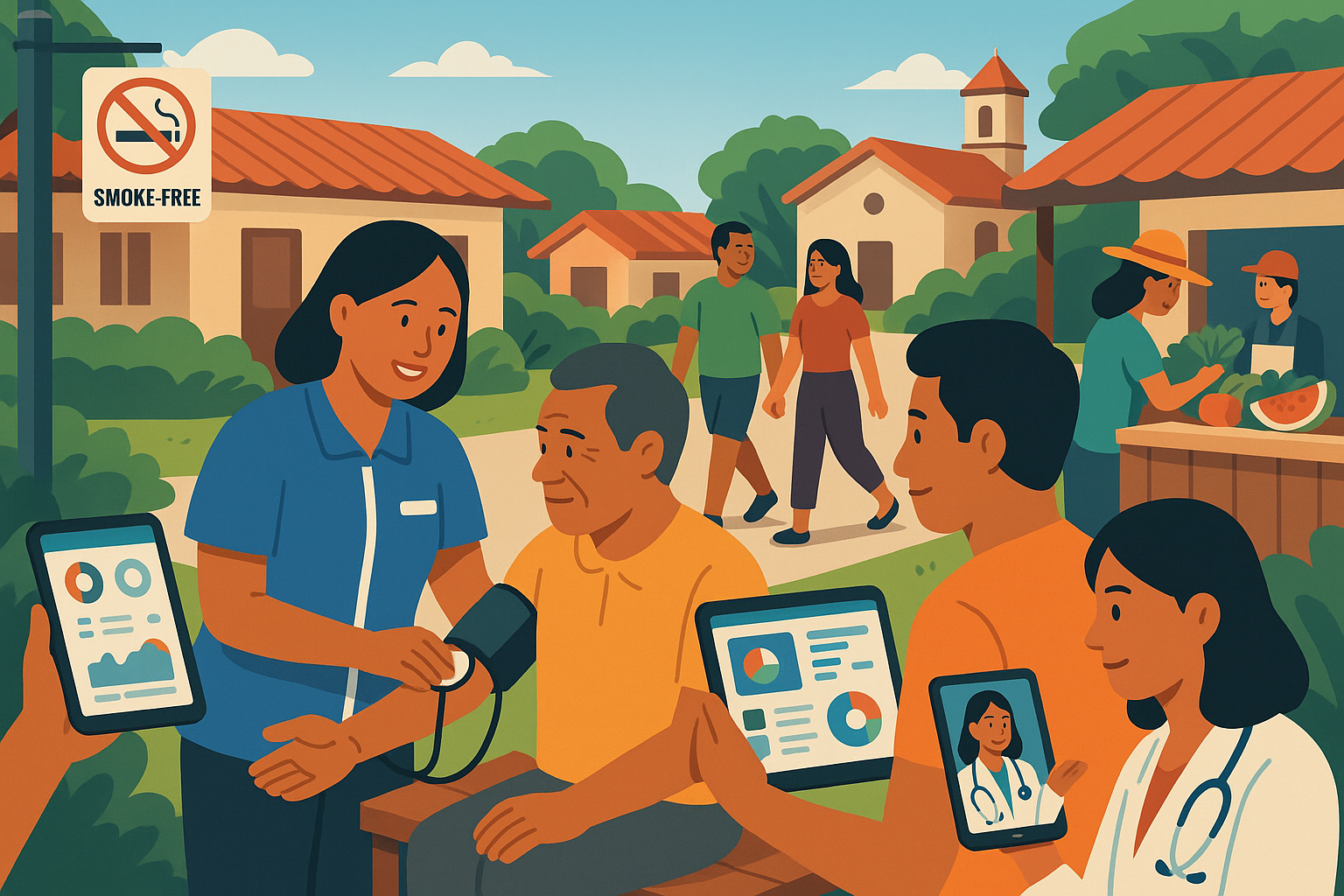
Policy instruments exist. The Universal Health Care (UHC) Act aims to strengthen primary care and expand financial protection, while sin tax measures on tobacco, alcohol, and sugar-sweetened beverages seek to reduce risk factors and fund health programs. Local smoke-free ordinances, graphic health warnings, and increasing excise taxes have helped push down smoking in certain cities. The National Integrated Cancer Control Act and the Mental Health Act mark important steps in expanding services and financial support. Yet implementation varies, and supply chains, provider training, and health information systems remain bottlenecks.
What works at scale is straightforward but requires coordination. Routine screening—blood pressure, BMI, waist circumference, fasting glucose, and lipid profiles—should be embedded in every primary care visit. Protocolized care (e.g., WHO PEN/PhilPEN adaptations) enables nurses and midwives to initiate and titrate therapy using standard algorithms, with physicians focusing on complicated cases. Community health workers can conduct household risk assessments, counsel on diet and tobacco cessation, and track medication adherence using digital registries.
Lifestyle and environmental measures are equally vital. Policies that reduce salt in processed foods, remove industrial trans fats, limit marketing of unhealthy products to children, and improve urban design for walking and cycling lower population risk. Expanding HPV vaccination and cervical screening, promoting colorectal screening, and scaling hepatitis B vaccination and treatment reduce future cancer burdens. Clean air actions—vehicle emissions standards, smoke-free homes, cleaner cooking fuel—reduce respiratory morbidity.
Financing must close the last-mile gap. PhilHealth benefit packages should fully cover essential generics for hypertension, diabetes, COPD, and asthma, plus diagnostics at primary care. Capitation and performance payments can reward clinics that reach screening and control targets. Telemedicine, e-prescriptions, and e-referrals help rural patients avoid unnecessary travel, while interoperable electronic medical records reduce lost-to-follow-up.
Finally, measurement drives progress. Setting district-level targets for hypertension control, diabetes glycemic control, cervical screening coverage, and tobacco quit rates, then publishing results, encourages accountability and local innovation. With sustained political will, better-funded primary care, and population-wide prevention, the Philippines can bend the NCD curve and extend healthy life years across regions and income groups.
About the Author