Sleep is one of the most important foundations of good health, yet it is often neglected in daily life. In the Philippines, many people experience irregular sleep because of demanding work schedules, long commuting hours, academic pressure, family responsibilities, and frequent use of digital devices at night. These sleep habits can strongly affect physical, mental, and emotional well-being.
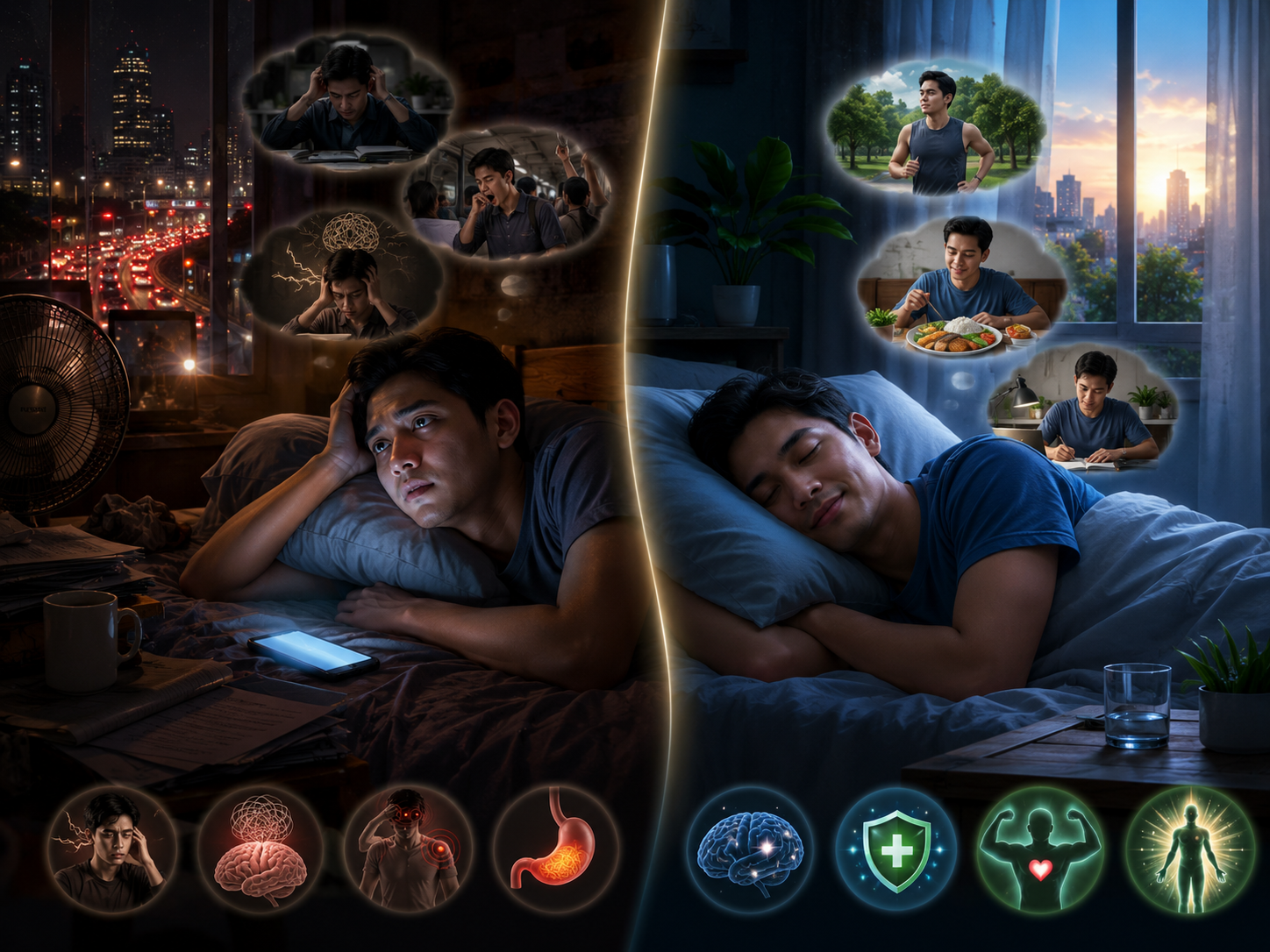
A healthy sleep pattern means getting enough sleep at regular hours. For most adults, seven to nine hours of sleep each night is generally recommended. However, many Filipinos sleep less than this because of lifestyle and economic factors. In urban areas such as Metro Manila, traffic congestion can force workers and students to wake up very early and return home late. This reduces the time available for rest. In addition, employees in business process outsourcing, healthcare, transportation, and security often work night shifts, which can disturb the body’s natural sleep-wake cycle.
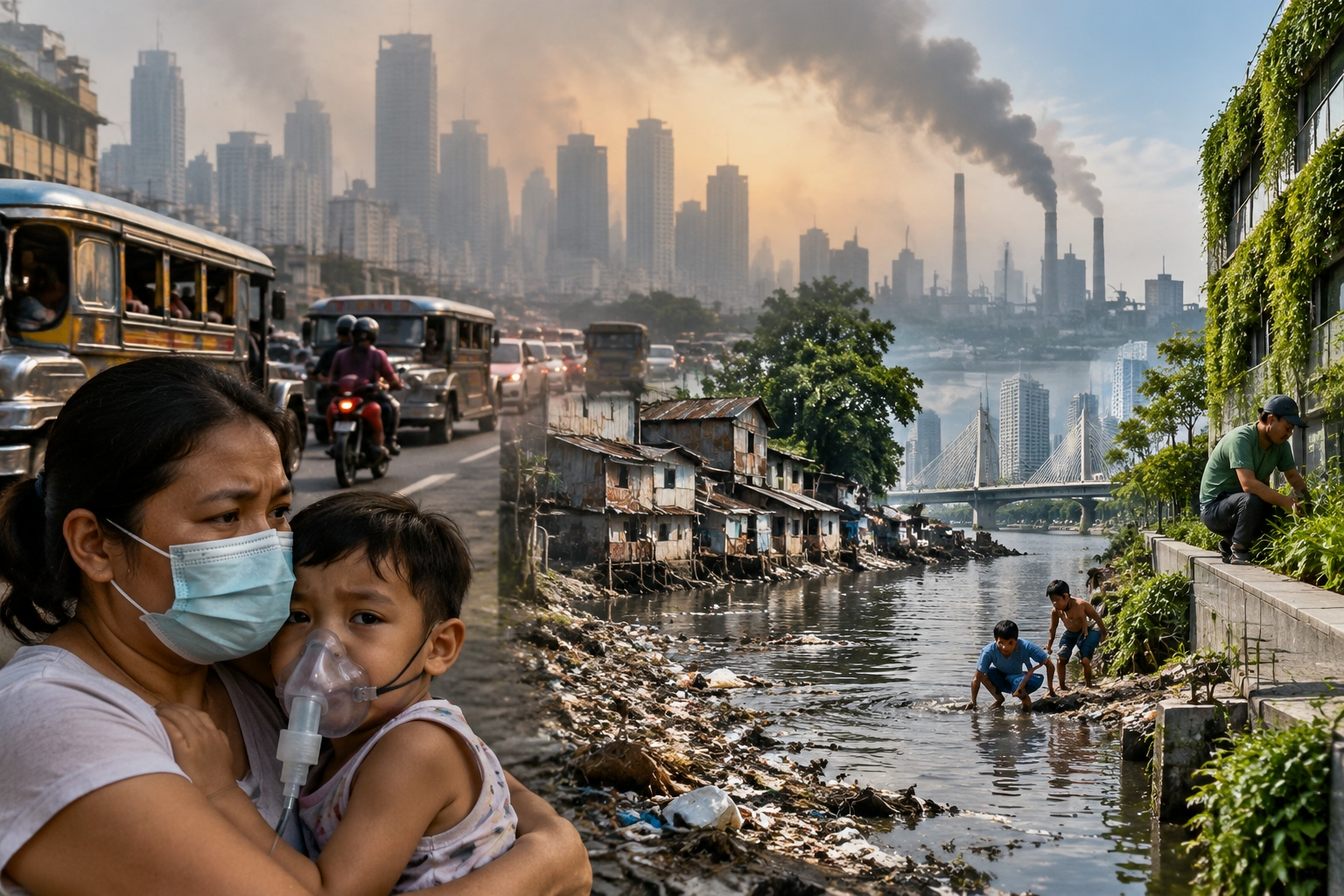
Poor sleep can weaken the immune system. When a person does not sleep enough, the body has less time to repair cells and fight infection. This may make people more vulnerable to common illnesses such as colds, flu, and other infections. In a tropical country like the Philippines, where people may already be exposed to heat, pollution, and crowded environments, lack of sleep can make health problems worse.
Sleep patterns also influence heart health. Irregular or insufficient sleep has been linked to high blood pressure, increased stress hormones, and a higher risk of cardiovascular disease. For Filipinos who already face risks related to diet, stress, smoking, or lack of exercise, poor sleep may add another burden. Night-shift workers may be especially affected because their sleeping hours often conflict with natural daylight patterns.
Mental health is another major area affected by sleep. Lack of sleep can lead to irritability, poor concentration, anxiety, and low mood. Students who sleep late because of schoolwork or excessive screen time may find it harder to focus in class and remember information. Adults who do not sleep well may become less productive at work and more emotionally reactive at home. Over time, chronic sleep deprivation can increase the risk of depression and anxiety.
Sleep also affects metabolism and weight. People who sleep too little may experience changes in hunger hormones, making them crave sweet, salty, or high-calorie foods. In the Philippines, where fast food, sweet drinks, and late-night snacks are common in many communities, poor sleep may contribute to weight gain and related conditions such as diabetes.
Technology plays a large role in modern sleep problems. Many Filipinos use smartphones before bedtime for social media, entertainment, gaming, or online work. The blue light from screens can delay the release of melatonin, the hormone that helps the body feel sleepy. This makes it harder to fall asleep and can reduce sleep quality.
Improving sleep health in the Philippines requires personal and community awareness. People can benefit from setting a regular bedtime, reducing caffeine late in the day, limiting screen time before sleep, and creating a quiet, comfortable sleeping environment. Employers can also help by supporting healthier shift schedules and rest periods. Schools and families can teach children the value of sleep as part of a healthy lifestyle.
Good sleep is not a luxury. It is a basic health need. For Filipinos facing busy schedules and social pressures, protecting sleep can improve energy, mood, immunity, learning, and long-term health.
About the Author