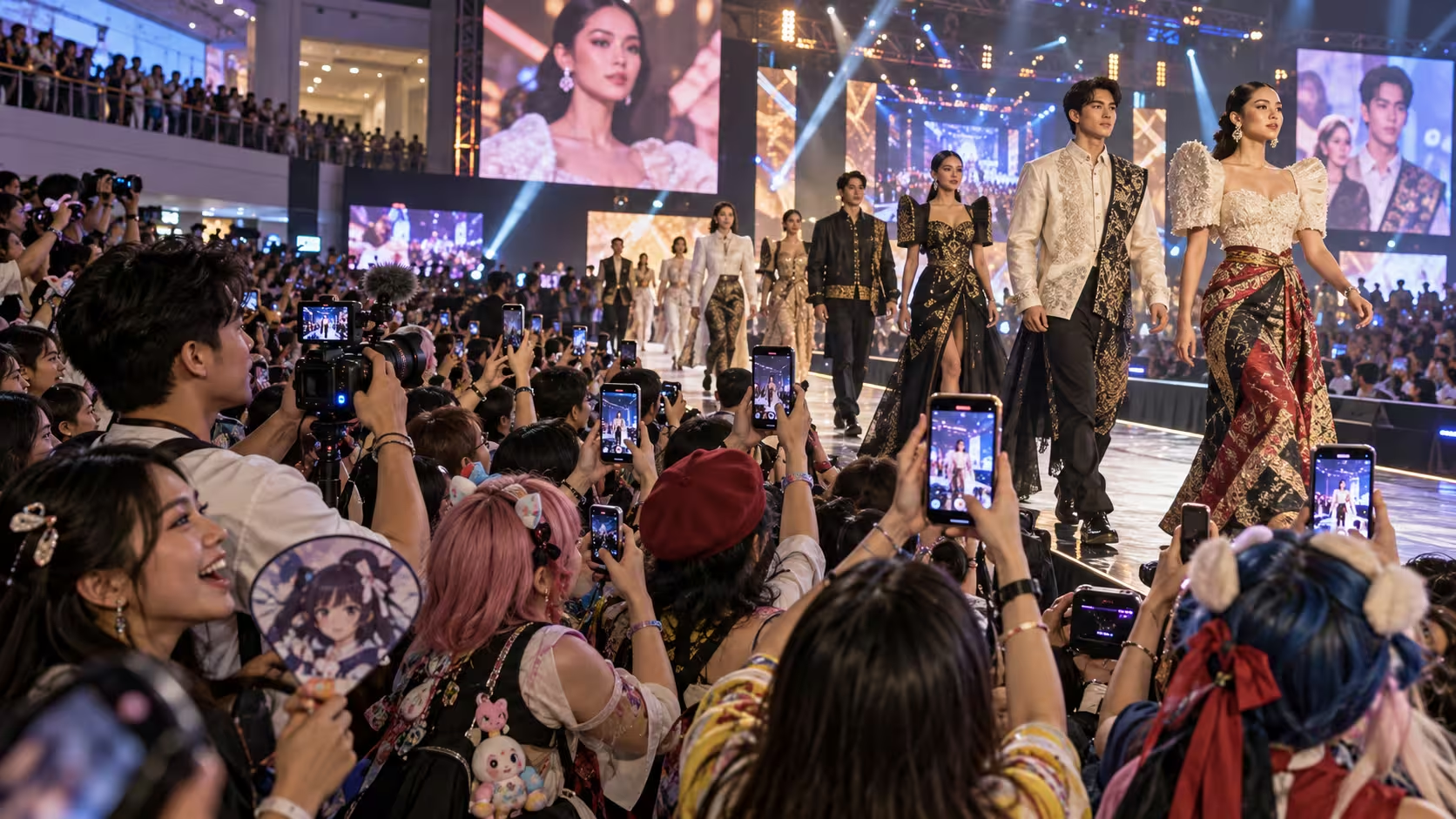

The Philippines is a country blessed with a rich cultural heritage that is celebrated through various festivals held throughout the year. These festivals are a fusion of religion, history, art, and entertainment, offering both locals and visitors the chance to experience the diverse traditions and values of Filipino culture. Each festival has its own unique character, showcasing the creativity, faith, and unity of the Filipino people.
One of the most famous festivals in the Philippines is the Sinulog Festival, held every January in Cebu City. This festival honors the Santo Niño, a revered image of the child Jesus, and features a grand parade with colorful costumes and lively street dancing. The Sinulog dance, performed by participants in traditional attire, mimics the movement of the river, symbolizing the connection between Cebu and the island’s Catholic roots. The Sinulog Festival is not only a celebration of Filipino Catholicism but also a reflection of the country’s rich cultural diversity.
The Ati-Atihan Festival in Kalibo, Aklan, is another major cultural event in the Philippines. This festival, held in January, honors the indigenous Ati people and the arrival of the Malay settlers. Participants, covered in black soot, dress in traditional tribal clothing and dance to the rhythm of drums. The festival is a powerful representation of the cultural exchange and cooperation between different communities, and it is considered one of the oldest and most influential festivals in the country.
Another notable celebration is the Pahiyas Festival, which takes place in May in the town of Lucban, Quezon. This festival is a thanksgiving for a bountiful harvest, where locals decorate their homes with colorful displays made from fruits, vegetables, and rice. The creative and intricate designs reflect the Filipino people’s resourcefulness and connection to the land. The Pahiyas Festival transforms the town into a living canvas of vibrant art and culture, attracting visitors from around the world.
The Kadayawan Festival, celebrated in Davao City every August, is a vibrant showcase of the indigenous cultures of Mindanao. The festival features traditional dances, music, and exhibitions that highlight the customs and rituals of the region’s indigenous tribes. It is also a celebration of the bountiful harvest and the natural beauty of the Davao region, with events such as street parades and float exhibitions that capture the essence of the indigenous communities’ deep connection to the land.
What makes these festivals so captivating is their ability to blend cultural, religious, and historical significance with entertainment. Each festival is a reflection of the Filipino identity—joyful, resilient, and deeply connected to their traditions and faith. The vibrant parades, performances, and creative displays are not just for fun; they are a way for the Filipino people to honor their ancestors, their culture, and their beliefs.
In conclusion, the festivals of the Philippines are a true testament to the country’s rich cultural heritage. These celebrations offer an immersive experience into the heart of Filipino life, showcasing the warmth, creativity, and spirit of the people. Whether it’s the religious devotion of the Sinulog or the artistic brilliance of the Pahiyas, these festivals allow both locals and visitors to experience the best of what the Philippines has to offer.
About the Author