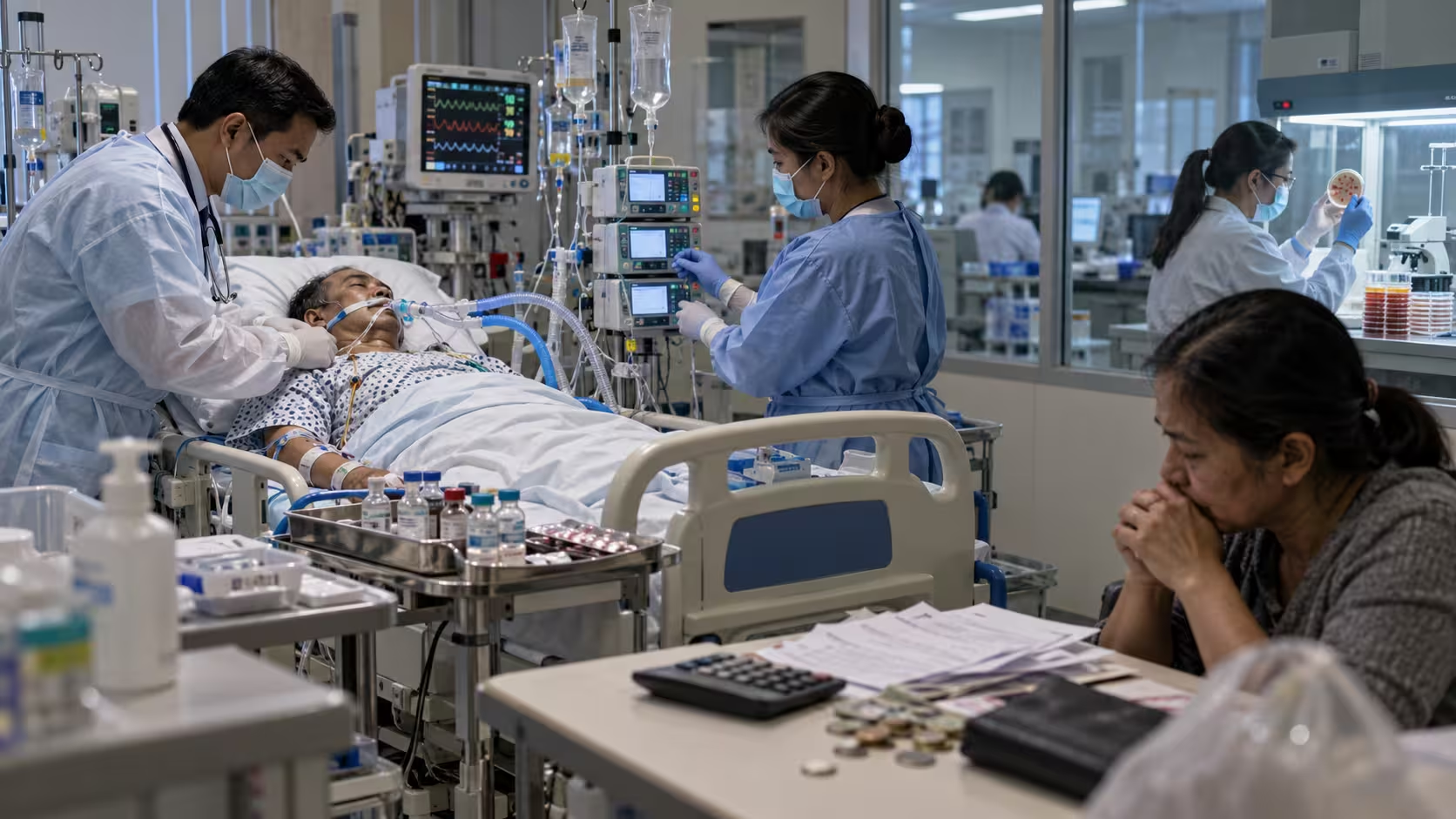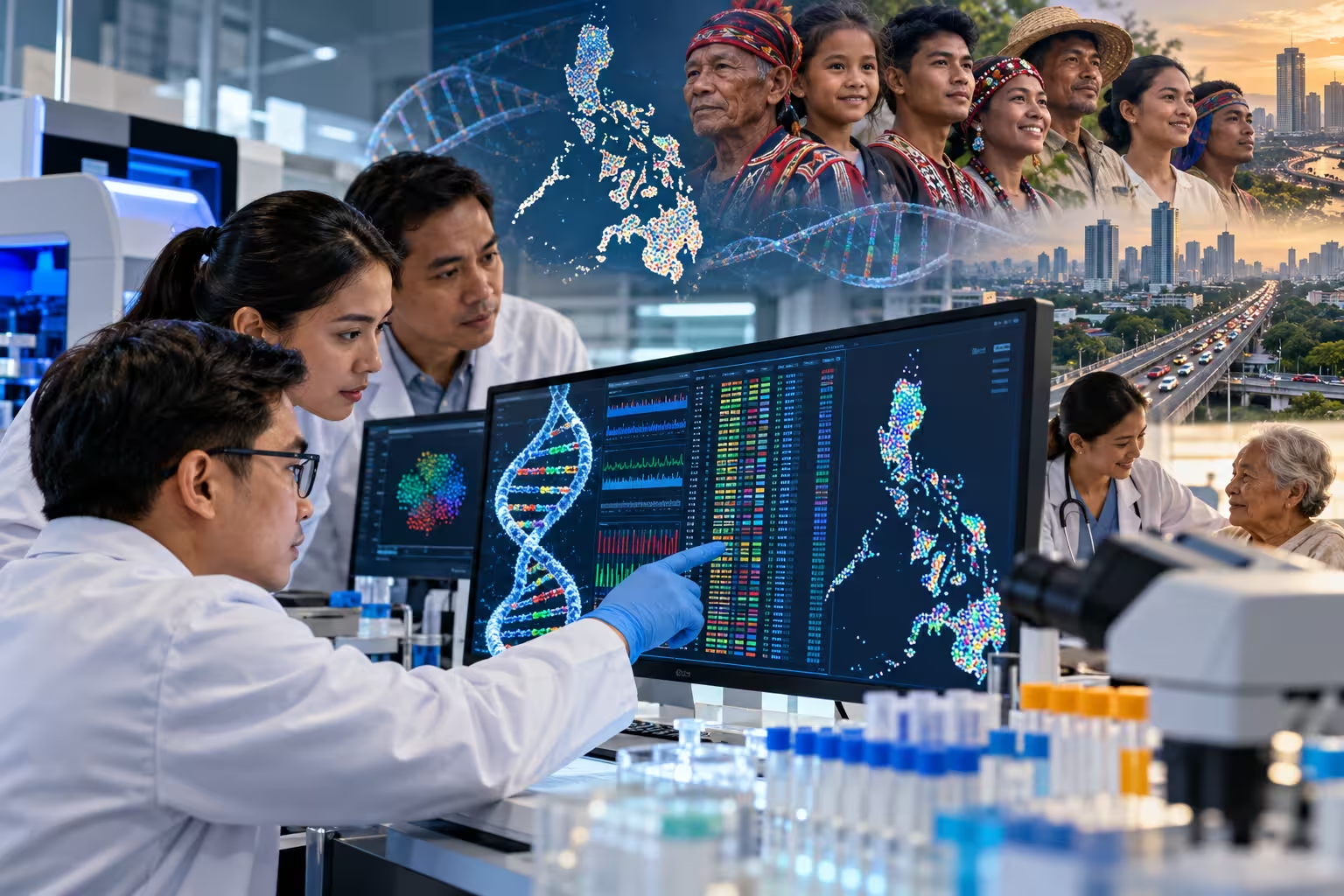
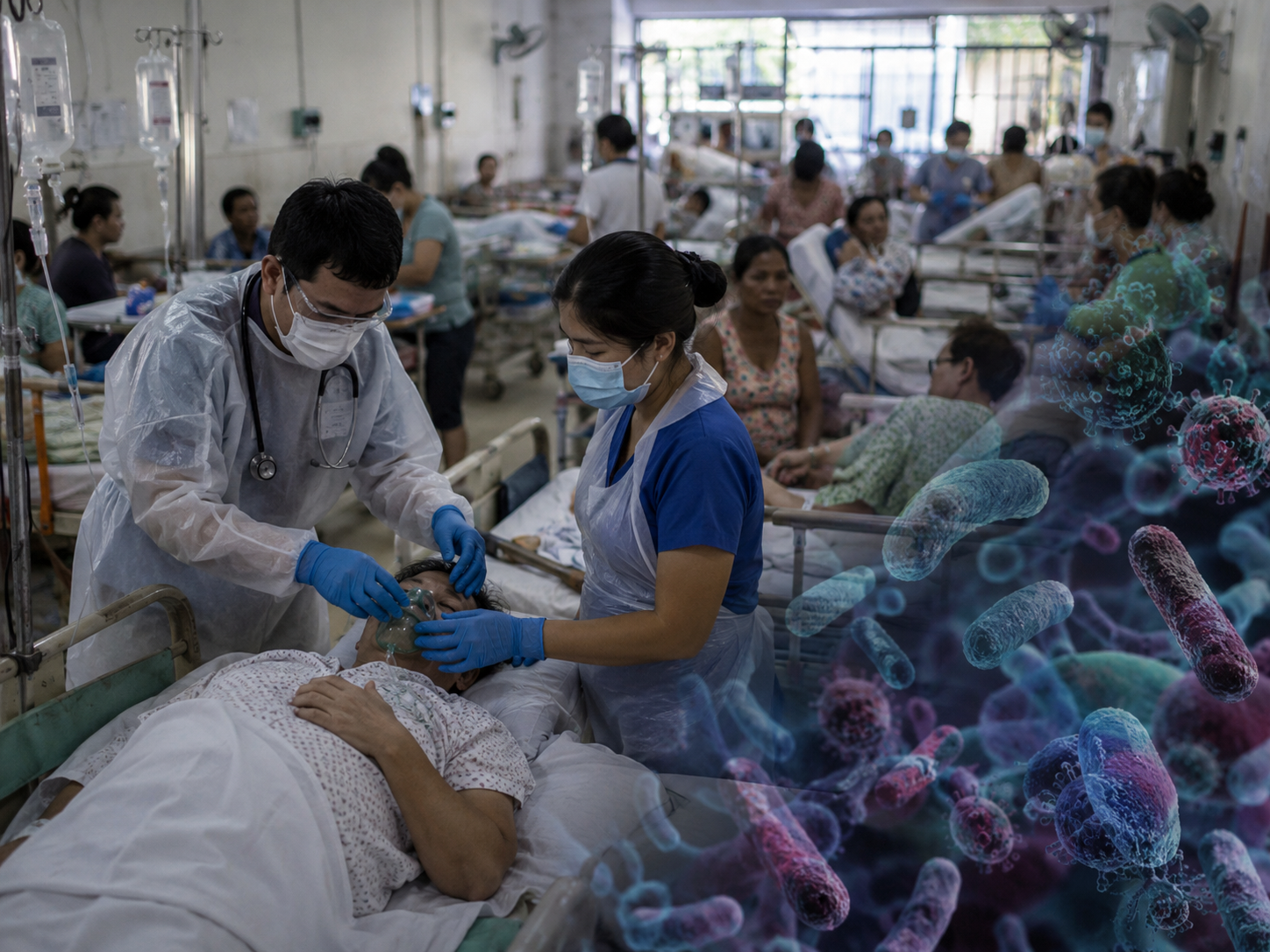
The Philippine archipelago, with its dense urban hubs and tropical climate, remains a fertile ground for communicable diseases. As we navigate the second half of the decade, the year 2026 presents a complex epidemiological landscape. The Department of Health (DOH) is currently fighting a war on multiple fronts, grappling not just with novel pathogens but with the relentless persistence of age-old infections that continue to evolve and outpace control efforts.
The Unyielding Dengue Burden
Despite advancements in vector control, Dengue fever remains a perennial nightmare for Filipino families. The cyclical nature of the virus typically peaks during the rainy season, but climate change has disrupted these patterns, leading to year-round transmission in provinces like Iloilo and Cebu. In 2026, the shift toward the DENV-3 serotype has caused a spike in severe cases, overwhelming pediatric wards. Health officials note that the public’s focus on post-pandemic recovery has led to complacency regarding environmental sanitation. Stagnant water in urban poor communities continues to be the primary breeding ground. The government’s push for the Wolbachia mosquito program has shown promise in pilot areas, yet scaling it to the national level remains a logistical and financial hurdle.
Tuberculosis: The Silent Killer’s Grip
The Philippines carries one of the highest TB burdens in the Western Pacific region. While Tuberculosis is often viewed as a disease of the past, the 2026 data suggests a dangerous plateau. Drug-resistant TB (MDR-TB) is the most pressing concern. The interruption of Directly Observed Therapy (DOTS) during the pandemic years has resulted in a cohort of patients who were lost to follow-up, now presenting with advanced, resistant strains.
The economic impact is severe; daily wage earners in Metro Manila often stop taking medication due to the prohibitive cost of transport to health centers, despite the drugs themselves being free. According to the latest USAID Philippines 2026 health portfolio report, strengthening community-based screening in informal settlements is critical to closing the detection gap. Without this, the silent transmission within households will continue to undermine the national TB eradication roadmap.
The Evolving HIV Landscape
Unlike the declining global trends, the Philippines is experiencing one of the fastest-growing HIV epidemics in the Asia-Pacific region. By 2026, the demographic has shifted heavily toward the youth, specifically men aged 15-24 who have sex with men (MSM). The stigma surrounding sexual health remains the primary barrier to testing.
While the DOH has expanded access to Pre-Exposure Prophylaxis (PrEP), uptake remains concentrated in urban centers like Quezon City and Makati. Rural areas lack the necessary “safe spaces” for testing and counseling. The digital revolution has, however, offered a glimmer of hope. Telemedicine platforms are now delivering discreet consultations and antiretroviral therapy (ART) refills, bypassing the social anxiety associated with physical clinics. Yet, the digital divide leaves the most vulnerable populations in far-flung barangays without access.
The 2026 health strategy requires a shift from a curative to a preventive mindset. For these three diseases, early detection and community engagement are the only sustainable solutions.
About the Author