The province of Pampanga has long held the moniker of the “Culinary Capital of the Philippines,” a title earned through generations of meticulous cooking. However, as we move into 2026, the region is undergoing a significant transformation. It is no longer just about the sizzling plates of sisig or the rich sweetness of tocino; Pampanga is positioning itself as a global hub for Filipino fine dining, driven by a robust farm-to-table movement that honors heirloom ingredients.
The Heritage of Heirloom Ingredients
While tourists have traditionally flocked to Angeles City and San Fernando for classic restaurants, the modern food trail in 2026 ventures deeper into the agricultural towns of Magalang and Arayat. Here, a new generation of chefs is collaborating directly with local rice farmers and organic vegetable growers. The focus is on heirloom rice varieties and native livestock that were previously overlooked in favor of commercial breeds.
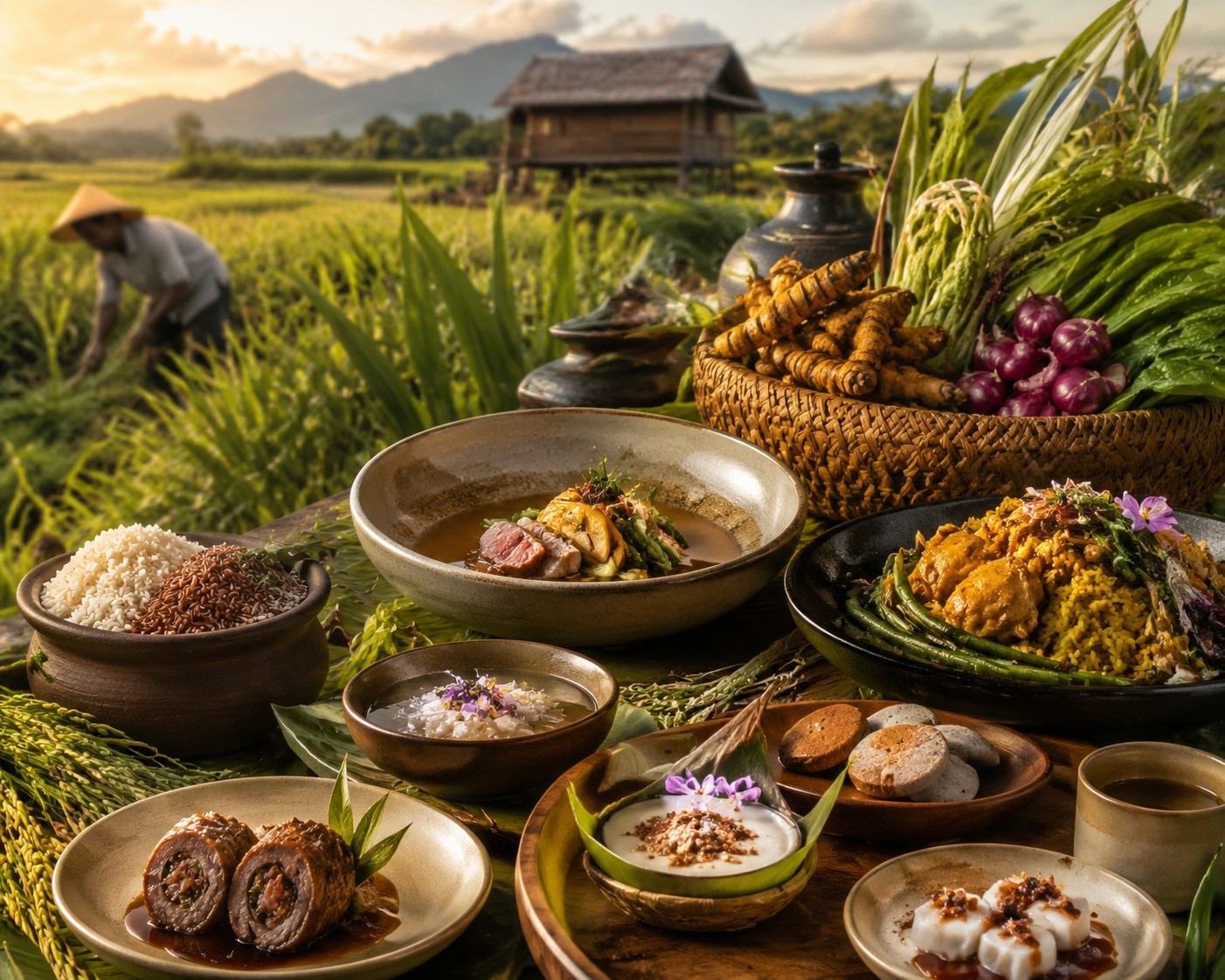
This shift is not just a trend but a preservation effort. Dishes like Bringhe (a local paella) are being elevated using native yellow chicken and turmeric sourced within a 10-kilometer radius. The depth of flavor found in these heritage ingredients offers a distinct “terroir” that cannot be replicated by mass-produced goods.
The 2026 Dining Experience
The modern Kapampangan dining experience in 2026 is highly immersive. Many high-end restaurants in Pampanga have moved away from conventional a la carte menus toward multi-course tasting experiences that narrate the history of the region. You might start with a murcon (stuffed beef roll) prepared using sous-vide techniques, followed by a deconstructed version of bulanglang (a guava soup) that highlights the fruit’s natural acidity.
The integration of sustainability is also evident. Restaurants are adopting zero-waste policies, using fermentation and pickling techniques inherited from Kapampangan tradition to preserve the harvest. According to the latest data from the Department of Tourism’s regional office, culinary tourism in Central Luzon is projected to see a 15% growth in 2026, largely fueled by these gastronomic innovations rather than traditional fast food stops. You can review the latest tourism projections on the official Philippine Department of Tourism website.
The Sweet Side: Heirloom Desserts
No culinary tour of Pampanga is complete without exploring its dessert culture. In 2026, there is a renewed interest in Sanikulas cookies and Tibok-tibok (carabao milk pudding). Artisans are now experimenting with these classic sweets, incorporating local chocolate from neighboring regions or pairing them with artisanal coffee grown in the highlands of the Cordilleras, creating a cross-regional flavor profile that is distinctly Filipino.
About the Author