The Unseen Crisis: When Hunger and Excess Coexist
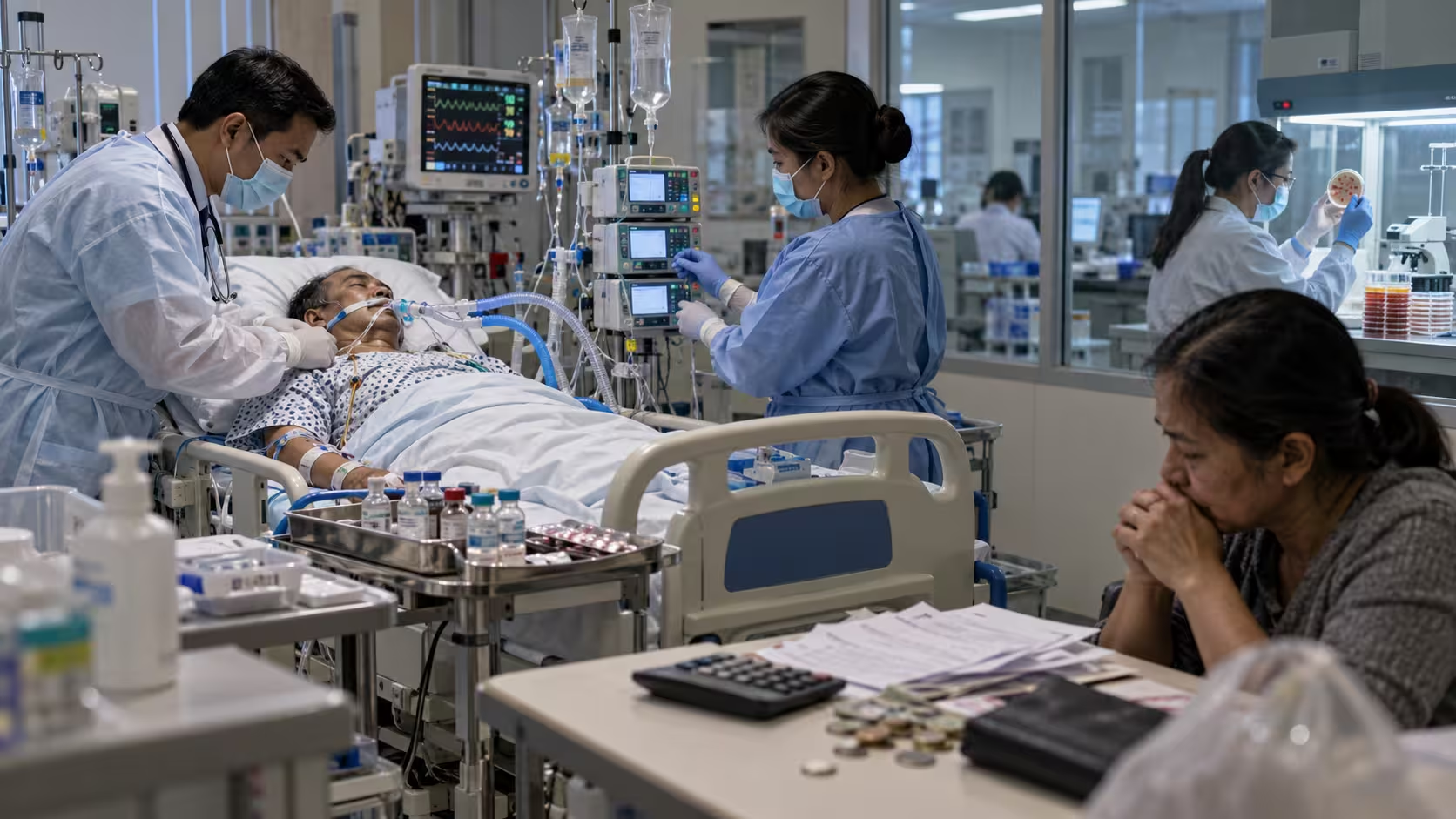
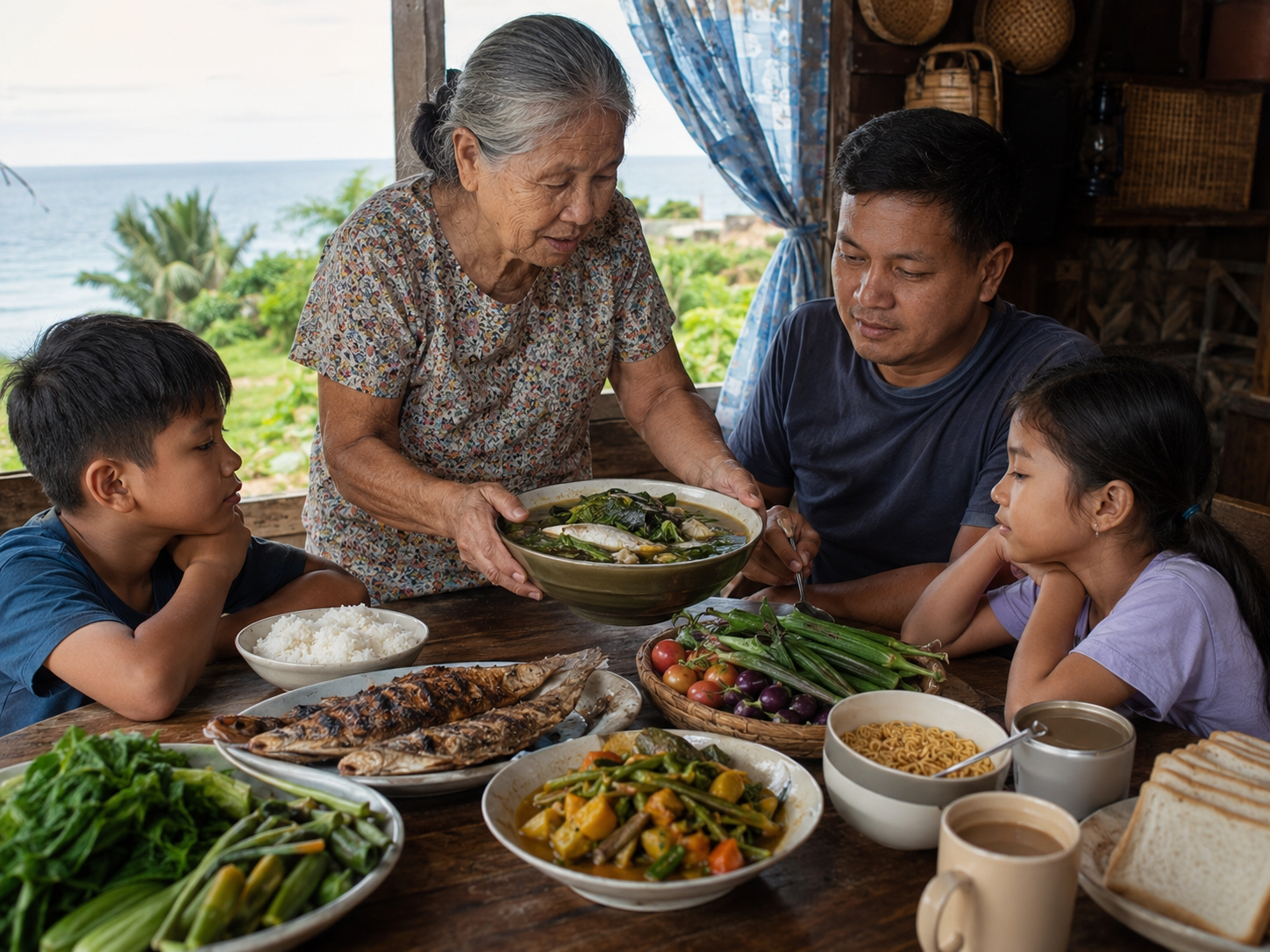
In a crowded district of Tondo, Manila, 34-year-old Maria prepares a meal for her three children. Her budget of 50 pesos forces a painful choice: a pack of instant noodles that fills bellies for a few hours, or a small bundle of malunggay and a piece of fish that could deliver iron and vitamin A. This daily calculation is the human face of the Philippines’ double burden of malnutrition—a condition where undernutrition and overnutrition exist side by side, often within the same household.
The Numbers Behind the Double Burden
The 2026 Expanded National Nutrition Survey, conducted by the Department of Science and Technology’s Food and Nutrition Research Institute (DOST-FNRI) and accessible at https://fnri.dost.gov.ph/enns2026, paints a sobering picture. Stunting among children under five remains at 26.4%, while wasting affects 7.8%. At the same time, the prevalence of overweight and obesity among the same age group has climbed to 4.2%, up from 3.9% in 2021. Among adults, 37% are overweight, fueling a parallel epidemic of hypertension and diabetes. The data confirms that the Philippines is far from achieving the World Health Assembly’s 2025 nutrition targets.
Real-Life Toll: Maria’s Daily Food Dilemma
Maria’s eldest, eight-year-old Angelo, is visibly thin and often misses school due to fatigue. His two-year-old sister, meanwhile, is gaining weight rapidly on a diet of sugary biscuits and powdered juice—cheap treats that keep her quiet while Maria does laundry for neighbors. The family’s reality illustrates a phenomenon nutritionists call “nutrient-poor energy-dense” consumption. According to the FNRI survey, only 14% of Filipino children aged 6–23 months receive a minimally acceptable diet. For low-income families, the cheapest calories are often the least nutritious, loaded with refined carbohydrates and trans fats.
Policy Responses and Community Solutions
Strengthening the First 1,000 Days
The government has scaled up the Early Childhood Care and Development (ECCD) program, integrating nutrition-specific interventions such as micronutrient supplementation and breastfeeding support. Local health workers trained under the 2026 Philippine Plan of Action for Nutrition now conduct regular home visits in barangays like Maria’s, weighing children and teaching mothers to prepare fortified complementary food using indigenous vegetables.
Regulating the Food Environment
To curb the rise in childhood obesity, the Department of Health, using data from the 2026 FNRI survey, intensified the implementation of Administrative Order 2024-003 that restricts the marketing of unhealthy food to children. Several cities have also introduced “healthy food zones” near schools, limiting the sale of sugary drinks and deep-fried snacks. Still, enforcement remains patchy in sprawling urban poor communities.
As the nation races to meet the 2030 global nutrition targets, the intertwining struggles of Maria’s family reflect a broader call for systemic change—from food system reform to living wages that allow healthier choices.
About the Author