
Across the Philippine archipelago, fitness and wellness are evolving from occasional activities into everyday habits. Urban professionals in Metro Manila, Cebu, and Davao are mapping their routines around flexible, time‑efficient workouts, while families in smaller cities turn plazas and barangay courts into evening fitness hubs. The shared theme is practicality: people want programs that fit busy schedules, modest budgets, and the country’s heat and humidity.
Community remains the heartbeat of movement. Weekend fun runs, charity rides, and neighborhood Zumba classes foster accountability and a celebratory vibe. Boutique studios—boxing, cycling, reformer Pilates, and strength training—cluster in business districts, but micro‑gyms in condominiums and subdivisions are closing the accessibility gap. Coaches emphasize technique, injury prevention, and progressive overload, a shift from purely calorie‑burn goals toward sustainable strength.
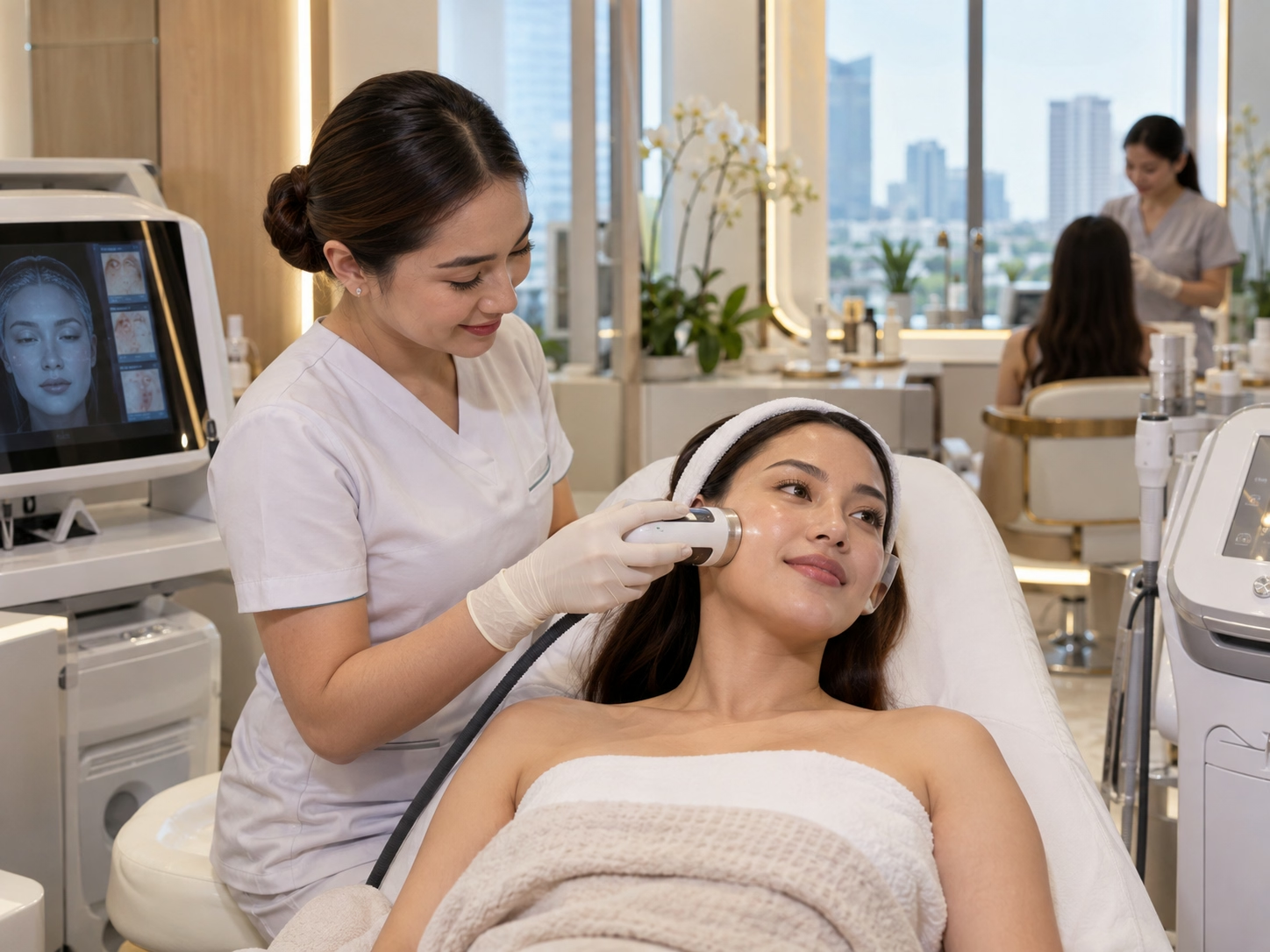
Climate shapes training choices. Many Filipinos prefer early‑morning or late‑evening sessions, pick air‑conditioned venues on hotter days, and rotate outdoor runs with indoor rowing, cycling, or shadowboxing. Recovery practices—mobility flows, myofascial release, and sports massage—are now part of the week rather than a post‑injury afterthought. Traditional modalities such as hilot (Filipino therapeutic massage) sit comfortably alongside foam rollers and percussive devices.
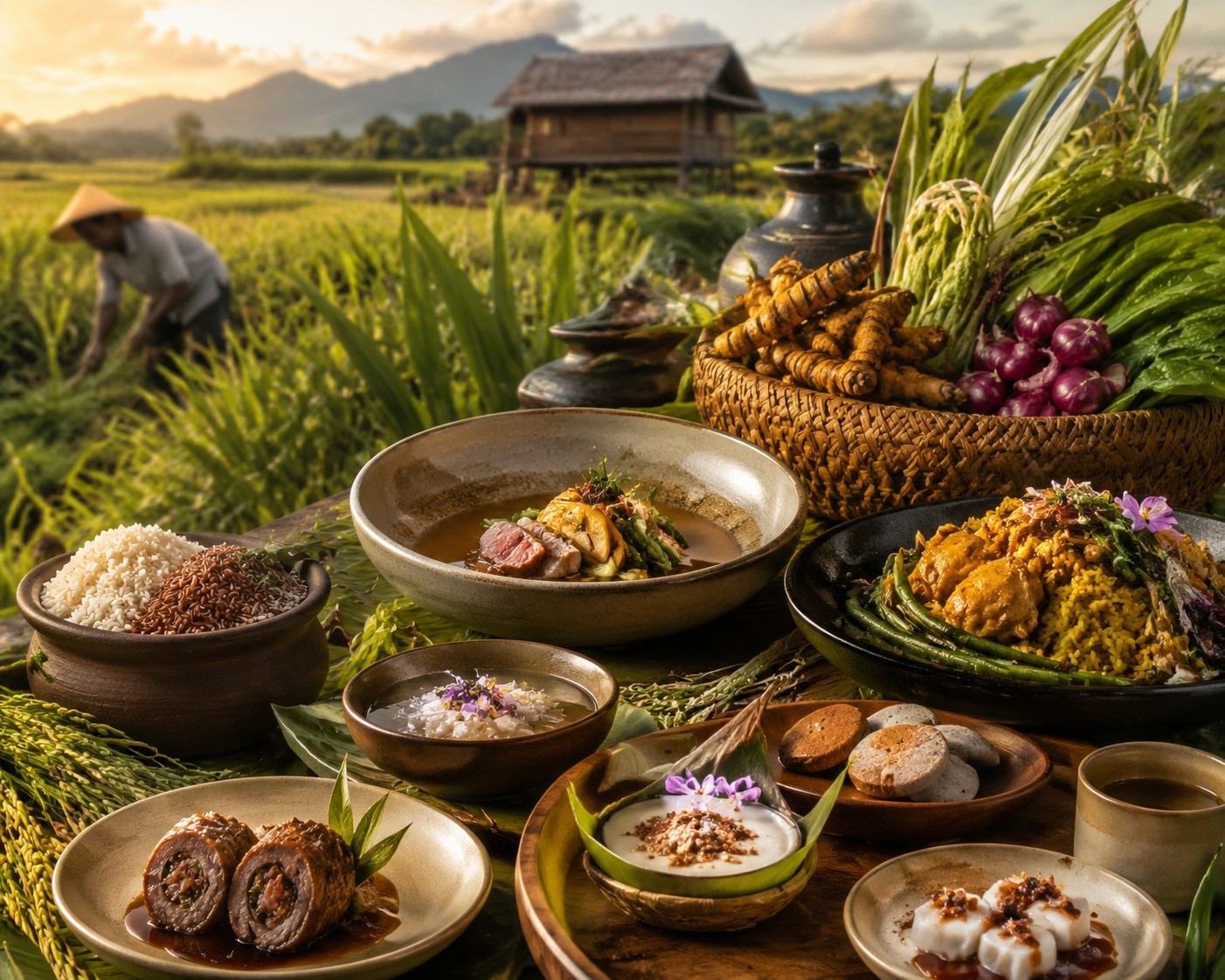
Nutrition trends reflect both heritage and health literacy. Home cooks are tweaking adobo, sinigang, and tinola with more vegetables, leaner proteins, and lighter seasoning; brown or red rice and root crops share the plate with white rice. Malunggay, saba bananas, calamansi, and buko water appear in meal plans as familiar, nutrient‑dense choices. Meal‑prep services and healthier sari‑sari store picks help people stay consistent on workdays.
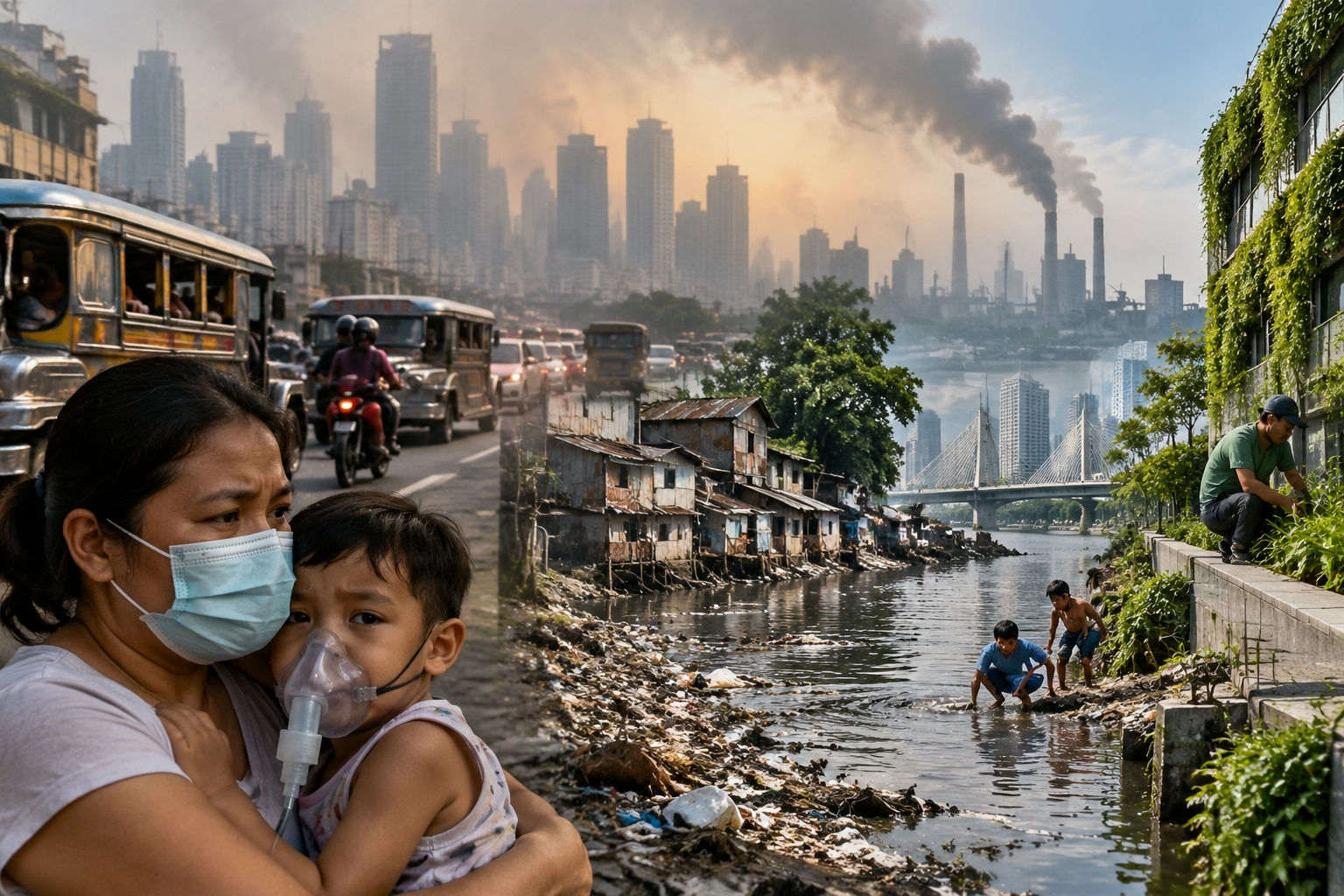
Wellness extends beyond the plate. Mindfulness sessions, breathing drills, and yoga classes acknowledge the mental load of dense traffic, long commutes, and shift work. In office towers and BPO hubs, teams experiment with stretch breaks, walking meetings, and sleep‑friendly policies such as dimming screens in the late shift. Small changes—earlier caffeine cutoffs, blackout curtains, and phone‑free wind‑downs—make recovery more predictable.
Technology ties the ecosystem together. Wearables track steps, heart rate, and sleep, while chat groups provide daily nudges and friendly competition. Teleconsults with nutritionists and physicians, along with lab pickups and pharmacy deliveries, simplify adherence. The remaining challenge is equitable access: premium studios and gadgets are not universal. Yet community programs, local coaches earning respected certifications, and parks with safer lighting are expanding the on‑ramp so more Filipinos can participate and progress.
About the Author