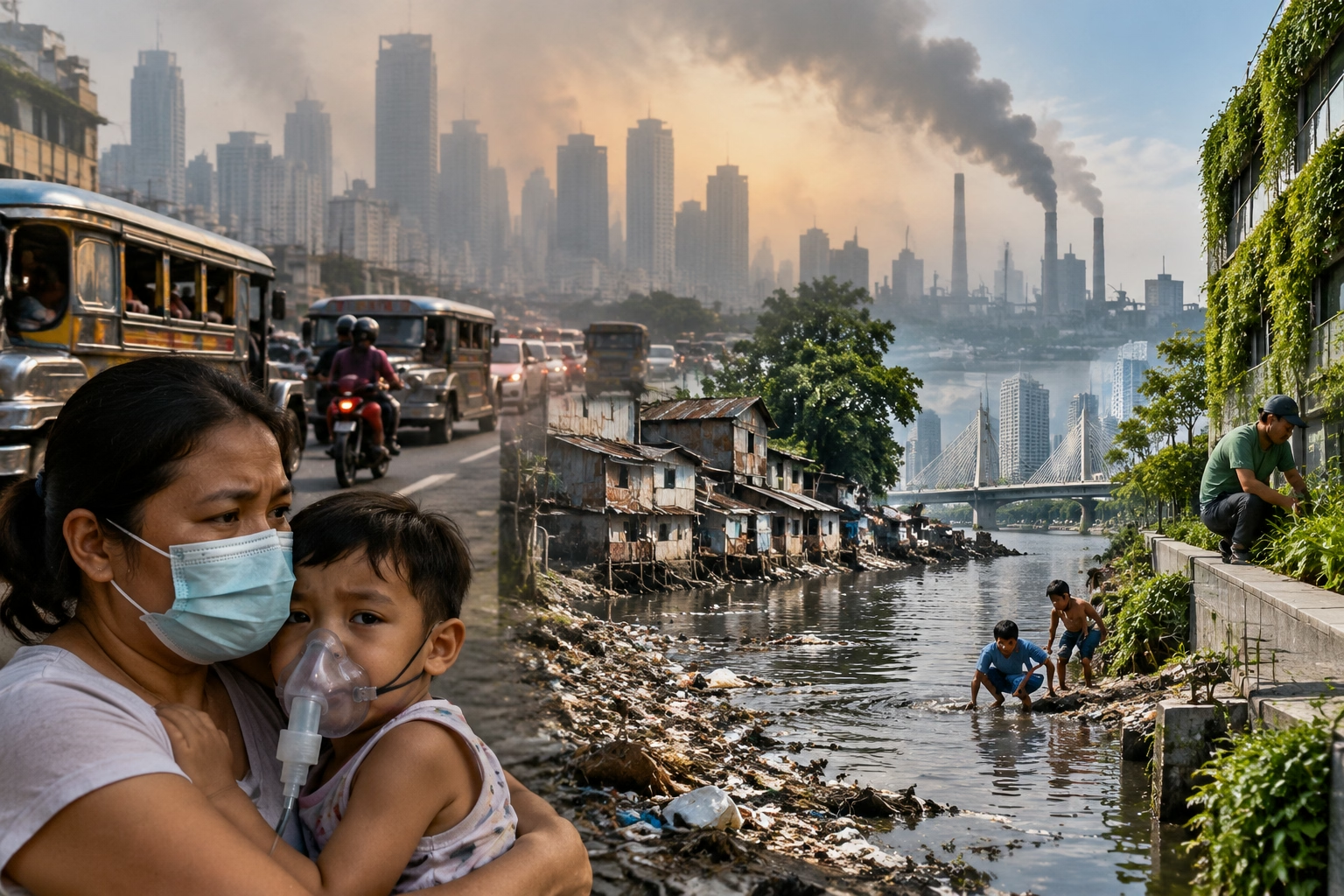

The Philippines continues to struggle with a number of infectious diseases that pose serious health risks to its population. Despite ongoing efforts to control and eliminate these diseases, factors such as limited healthcare access, environmental conditions, and a lack of widespread awareness contribute to the persistence of these illnesses. This article explores the most common infectious diseases that remain problematic in the Philippines and examines the country’s efforts to manage and prevent them.
Dengue Fever
Dengue fever remains one of the most widespread infectious diseases in the Philippines, with thousands of cases reported every year. The disease is caused by a virus that is transmitted to humans through the bite of infected Aedes mosquitoes. Outbreaks of dengue are particularly common during the rainy season when mosquito breeding grounds are abundant.
Efforts to combat dengue include public education campaigns, fumigation, and the distribution of insecticide-treated bed nets. However, these measures have not been sufficient to eliminate the disease, and dengue continues to be a serious public health concern.
Tuberculosis (TB)
Tuberculosis remains a leading infectious disease in the Philippines, with the country facing one of the highest TB burdens globally. TB is a bacterial infection that primarily affects the lungs and spreads through the air when an infected person coughs or sneezes. Although the country has implemented the DOTS program, which provides a standardized approach to TB diagnosis and treatment, drug-resistant TB has made it more difficult to control the disease.
The Philippine government is working to expand TB screening programs and ensure that treatment is accessible to all, but the persistence of the disease highlights the need for better prevention measures and more effective therapies.
HIV/AIDS
The HIV/AIDS epidemic in the Philippines has been escalating, with the country now experiencing the fastest-growing HIV epidemic in Asia. HIV is primarily transmitted through unprotected sexual contact and sharing of contaminated needles. The rise in new infections can be attributed to a lack of public awareness, high-risk behaviors, and insufficient access to prevention and treatment services.
To address this, the government has been working with international organizations to increase awareness, expand access to HIV testing, and provide antiretroviral treatment. However, despite these efforts, the epidemic continues to spread, particularly among high-risk populations such as men who have sex with men.
Malaria
While malaria has been greatly reduced in many parts of the Philippines, it remains endemic in certain rural and isolated regions. The disease is transmitted by the Anopheles mosquito, and symptoms include fever, chills, and headache. Malaria remains a problem particularly in regions with limited healthcare access, where residents are not always able to receive prompt treatment.
Government efforts to combat malaria have included indoor spraying with insecticides and distributing bed nets. However, malaria transmission continues in remote areas, and further interventions are needed to ensure that these communities are adequately protected.
Conclusion
Infectious diseases continue to be a significant challenge in the Philippines, impacting public health and hindering socio-economic development. While progress has been made in addressing diseases like dengue, tuberculosis, HIV/AIDS, and malaria, these diseases remain a persistent threat. With continued focus on prevention, treatment, and public health education, the Philippines can work towards reducing the burden of infectious diseases and improving the quality of life for its citizens.
About the Author