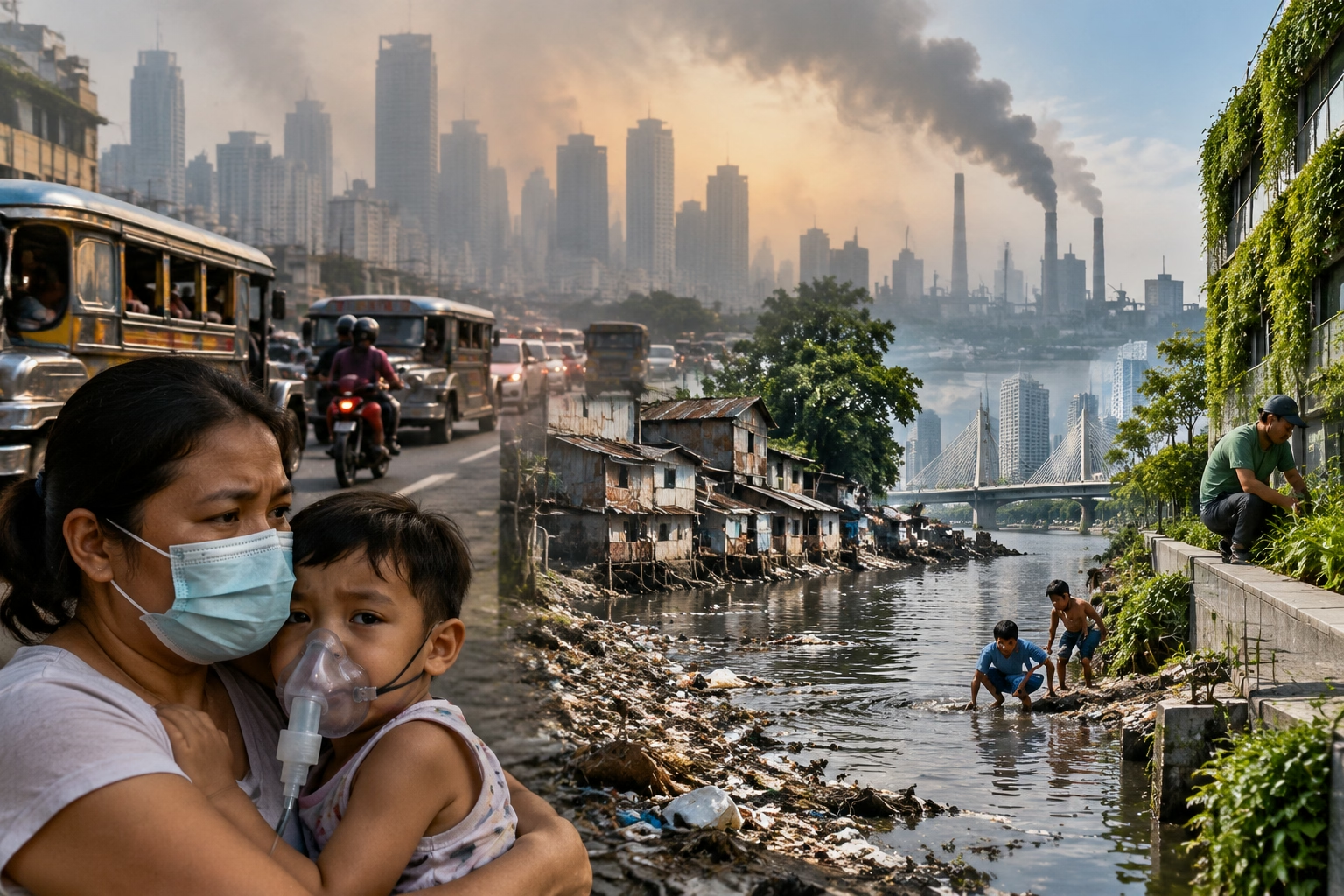

The Philippines contends with a blend of pollution sources that map neatly onto patterns of disease. Transport leads the list in dense urban corridors. Jeepneys, buses, trucks, and motorcycles—many powered by older diesel engines—emit particles and nitrogen oxides that inflame airways and stress the cardiovascular system. People who work or live near major roads face chronic exposure that increases the risk of asthma attacks, heart disease, and reduced lung development in children.
Industrial zones and construction sites add their own signatures: sulfur dioxide from stacks, volatile organic compounds from solvents, and clouds of dust from demolition and cement. During heat waves, sunlight transforms emissions into ozone, a potent irritant. On the flip side, stagnant air during monsoon inversions can trap pollution close to the ground, intensifying symptoms across neighborhoods.
Water pollution links weather to illness in striking ways. Heavy rains can overwhelm drainage and sanitation, washing pathogens into wells and homes. Diarrhea, hepatitis A, and leptospirosis follow these events with grim predictability. In coastal and lake environments, nutrient-laden runoff from farms and cities feeds algal blooms that reduce oxygen, cause fish kills, and harm livelihoods. Sediment contamination with metals from mining or informal recycling threatens communities that rely on local fish.
Waste is the connective tissue. When collection and segregation falter, plastics and organics choke waterways, fuel floods, and encourage vermin. Open burning—used to shrink piles quickly—releases dioxins and fine particles, exposing nearby residents to toxic smoke. At dumpsites, waste pickers and their families face a mix of chemical and biological hazards that erode health over time.
Not everyone is exposed equally. Street-level workers, port communities near shipping lanes, farmers spraying pesticides, and households using biomass stoves carry heavier burdens. Layered on top are social determinants: income, housing quality, and access to healthcare. A child with poorly controlled asthma in a roadside settlement experiences pollution very differently from a child in a greener, less trafficked neighborhood.
Mitigation is possible and often cost-effective. Phasing in cleaner fuels and engines, enforcing emissions testing, and modernizing public transport can rapidly lower particulate levels. Cities that invest in bus rapid transit, rail, and protected bike lanes reduce tailpipe pollution and congestion at once. For water, expanding sewerage, building decentralized treatment, and rehabilitating rivers cut disease risks, especially after storms. Solid waste reforms—segregation at source, composting, materials recovery, and producer responsibility—shrink the stream that reaches landfills and the sea.
Health systems can adapt, too. Real-time air and water alerts help vulnerable patients plan their day. Clinics that stock inhalers, educate families on trigger avoidance, and provide prophylaxis after flood exposure prevent hospitalizations. Schools can install green buffers and run clean air days when pollution spikes.
Progress requires aligning laws with budgets and enforcement. The Clean Air Act, Clean Water Act, and Ecological Solid Waste Management Act provide a blueprint; steady monitoring, transparent data, and community participation turn that blueprint into healthier lungs and safer drinking water. Each step that cleans a tailpipe, treats a liter of sewage, or diverts a kilo of waste delivers immediate health dividends.
About the Author