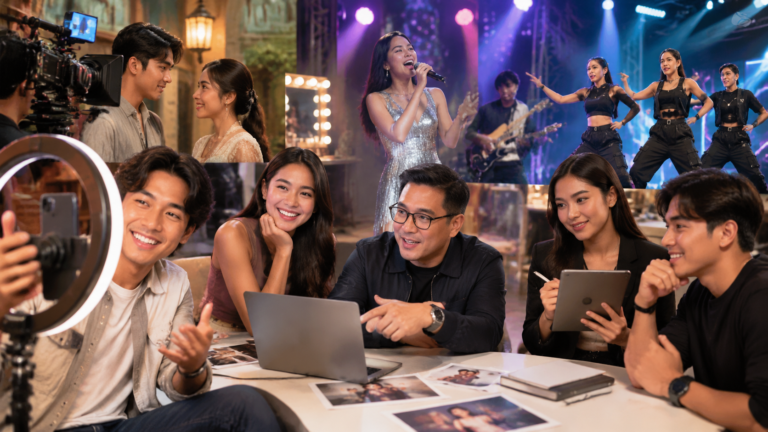
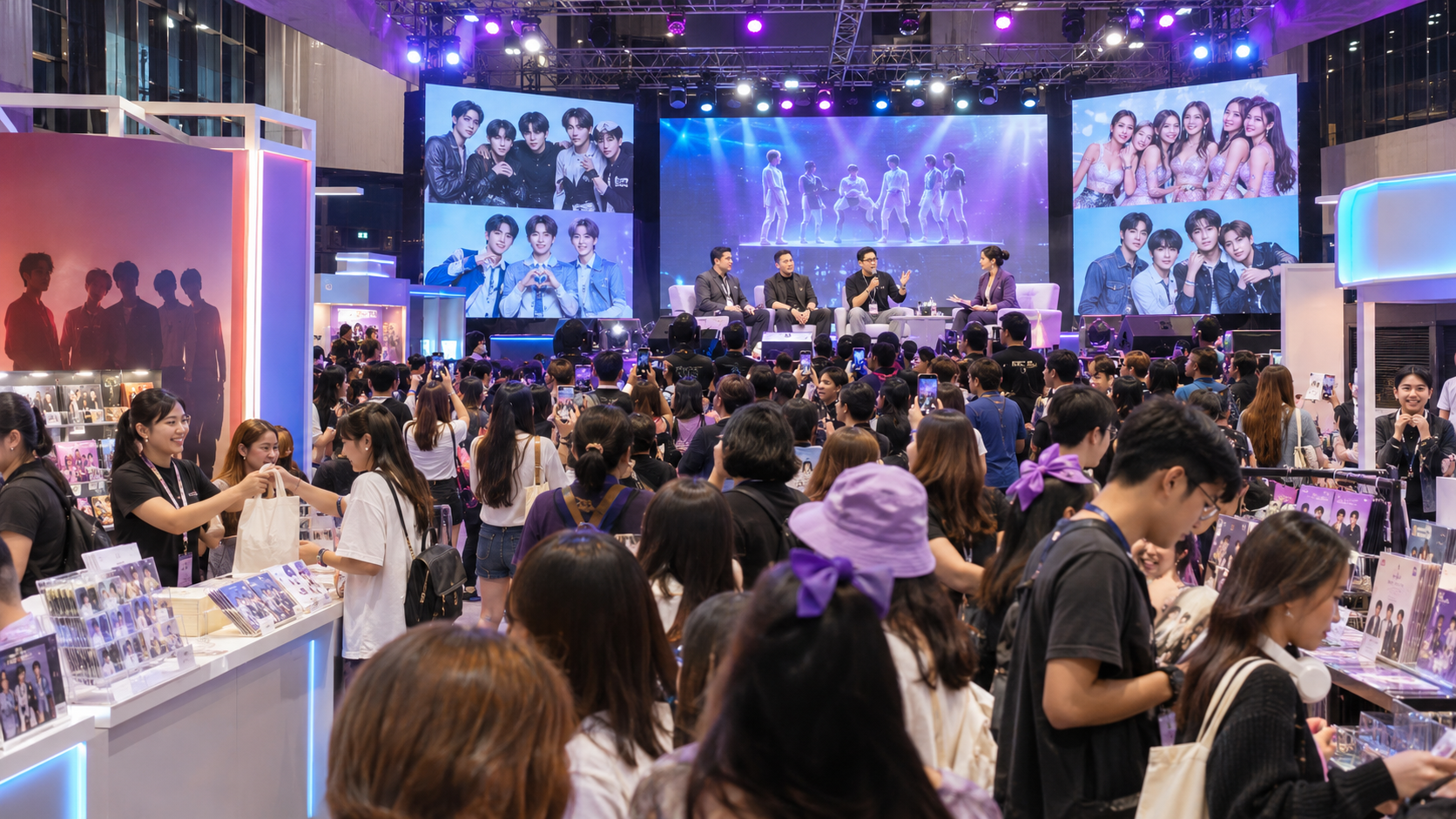
The sweat-soaked energy of a fan meet is no longer the endpoint. It is the ignition switch. When Billboard Philippines staged the inaugural P-POP UNITE: The Convention at SPACE at One Ayala in Makati on June 24, 2026, the guest list read less like a concert lineup and more like a stakeholder summit . Industry leaders like Jonathan Manalo and Direk Lauren Dyogi shared panel time with rising acts such as 1621, AJAA, and HORI7ON, while corporate giants from Sony Music to Samsung populated the convention floor . This was not a mere fan gathering; it was the visible architecture of an emerging industrial complex.
The Shift from Organic Chaos to Organized Capital
For years, Filipino fandoms—often organized around groups like SB19 or BINI—operated as agile, volunteer-driven collectives. They coordinated streaming parties, funded birthday billboards, and defended their idols in the trenches of social media. That energy was potent but fragmented. The 2026 convention signaled a maturation point: the informal labor of fandom was being formalized into a measurable economic engine. The presence of record labels and consumer brands was not incidental. It was an acknowledgment that the Blooms and A’TIN are not just audiences; they are distribution networks with purchasing power.
The Data Behind the Buzz
This structural evolution is backed by hard numbers that illustrate a fundamental shift in consumption habits. Rolling Stone Philippines reported in late 2026 that K-pop’s presence in the Spotify Philippines Top 200 had dwindled to nearly zero, while local acts—many of them P-Pop or OPM-adjacent—commanded the charts . The international success of acts like BINI, who made history at Coachella in April 2026, further validated the genre’s export potential . When a local group can command a stage in California and return home to a dedicated convention floor in Makati, the fandom is no longer just a support system. It is a viable market segment that brands can no longer ignore.
The Booth as a Business Model
The layout of P-POP UNITE told its own story. Interactive booths from labels and sponsors sat alongside artist meet-and-greet areas, creating a circulatory system where fan engagement translated directly into brand impressions and merchandise sales . This spatial organization mirrors the broader ecosystem: the fan enters as an enthusiast and exits as a consumer, a promoter, and a data point. The convention effectively compressed the distance between the bedroom streamer and the boardroom executive, turning passion into a structured pipeline for revenue and cultural influence.
About the Author