The New Wave of Filipino Resortwear Isn’t Just Beachwear
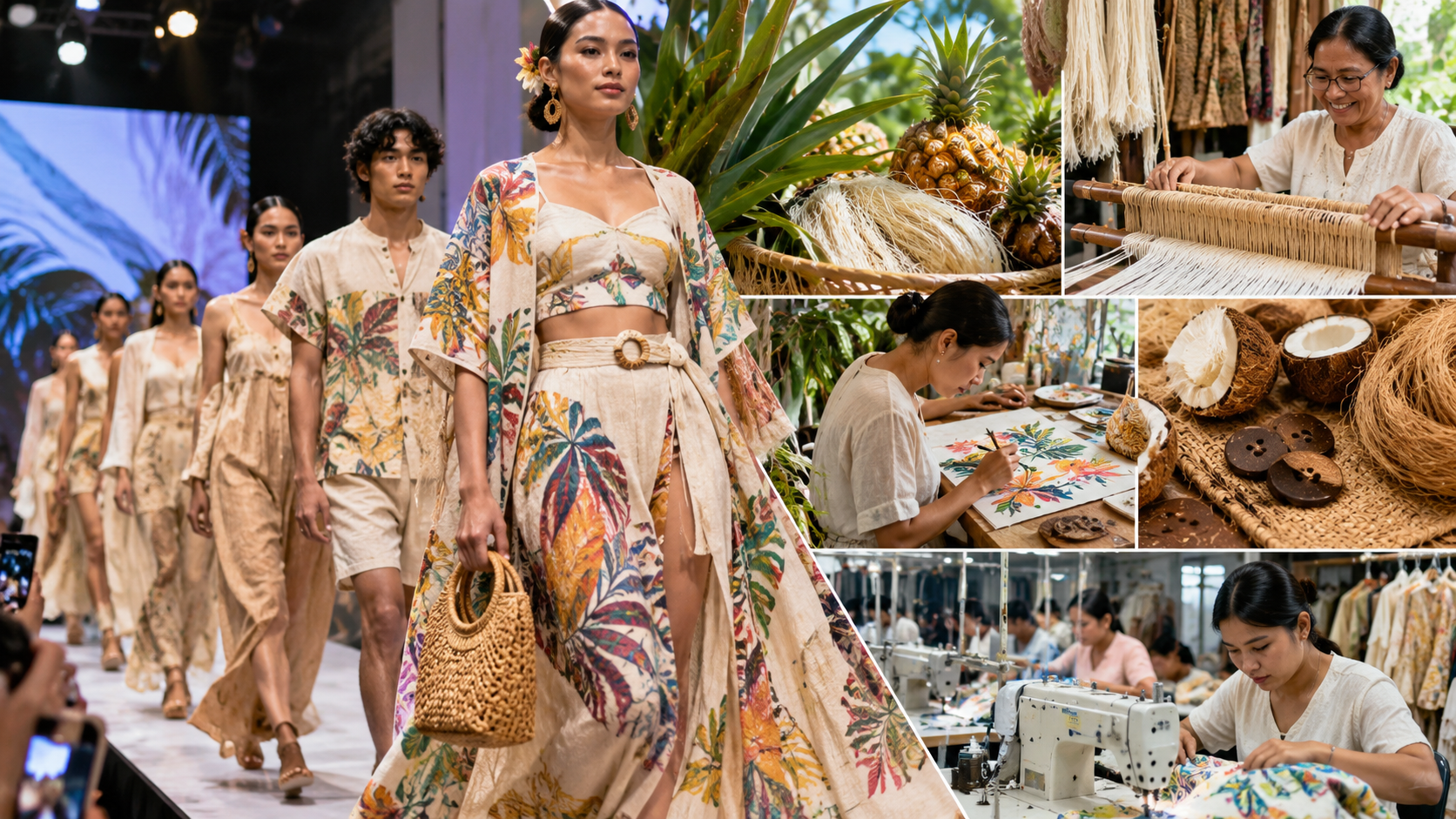
When Filipino designers sent twenty-four streetwear looks down the Rakuten Fashion Week Tokyo runway in September 2025, the garments were not made from conventional cotton or polyester. They were crafted from pure handmade pineapple fiber, blended with recyclable materials, and digitally printed with original artworks by Filipina artist Maria Angelica Tan using sustainable Japanese printing technology . The collection, titled “Beyond the Loom,” signaled a quiet but decisive shift: Filipino resortwear is no longer content with the domestic souvenir market.
This is resortwear 2.0—a sector where agricultural waste becomes high-fashion textile, where coconut shells and coir embellishments replace plastic hardware, and where the term “tropical” carries premium connotations rather than budget ones.
The Economics Behind the Aesthetic Shift
The financial logic underpinning this creative evolution is visible in 2026 trade figures. Philippine textile and garment exports reached approximately **$1.007 billion in 2025**, up from $919.10 million in 2024, driven primarily by a 6.6 percent rise in apparel and clothing accessories to $649.72 million during the January–November period . More tellingly, exports of textile yarn and fabrics—the higher-value upstream segment—grew 17 percent to $278.89 million, indicating that Filipino producers are moving beyond cut-and-sew assembly toward material innovation .
The import picture, however, reveals the challenge. The Philippines imported $2.289 billion in textiles and apparel in 2025, dwarfing export earnings and confirming that the sector remains structurally import-dependent for basic fabrics . For resortwear brands targeting premium international positioning, this dependency is both a vulnerability and a strategic opportunity: by developing proprietary materials from indigenous fibers, they can differentiate on provenance rather than compete on price against mass-market beachwear from Vietnam or Bangladesh.
Beyond the Runway: The Zero-Waste Playbook
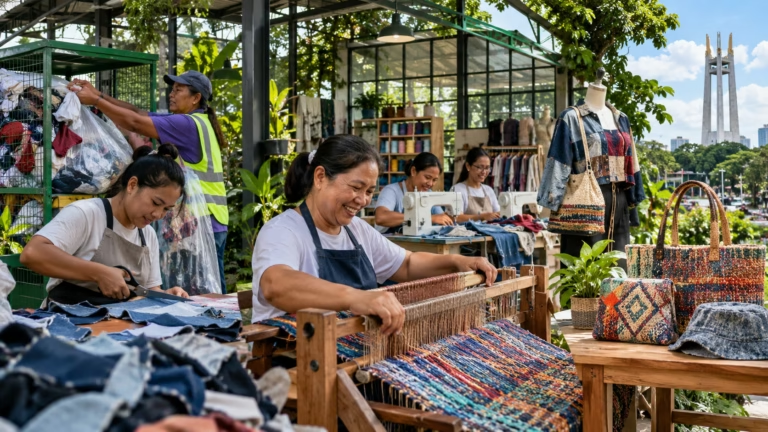
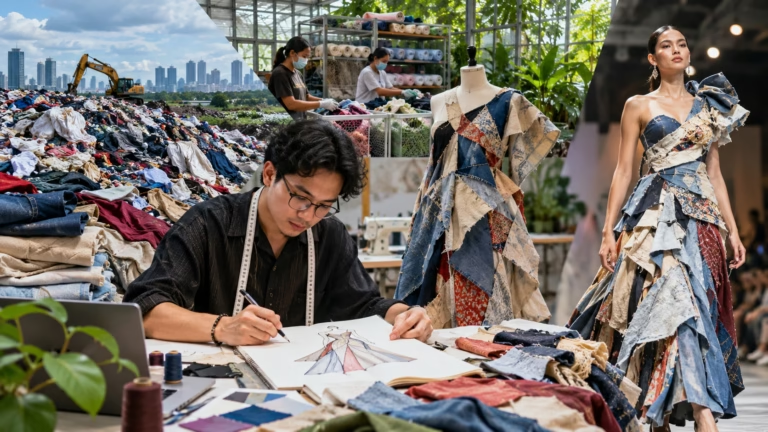
The brands leading this charge are not waiting for perfect supply chains. Alta Bella, a Filipino-owned label based in Macao, showcased at Hong Kong’s CENTRESTAGE 2025 with resortwear built from recycled materials and zero-waste pattern-cutting techniques . At home, Bayo Manila has partnered with the Department of Science and Technology’s Philippine Textile Research Institute on the TexRev project, which converts post-industrial textile waste into spinnable yarns—a circular model that reduces reliance on imported virgin fibers while creating artisan livelihood hubs .
What distinguishes this iteration of Filipino resortwear from earlier export pushes is the integration of narrative into product. The Tokyo collection did not simply display garments; it told a story about women weavers, coconut farmers, and visual artists collaborating across a value chain that stretches from agricultural communities to Japanese retail buyers . In the premium segment, provenance is not decoration—it is the product.
The Road Ahead: Premium Positioning Requires Infrastructure
The ambitions are clear. The DTI’s participation in trade shows from Bangkok to Jakarta has opened buyer conversations for brands like Anmari & Co., whose handcrafted bags from buntal, rattan, and Philippine weaves are finding placement in regional luxury retail contexts . Yet scaling from runway acclaim to repeatable wholesale orders demands more than design talent. The Taytay garment cluster, which supplies much of the country’s apparel manufacturing capacity, only began formal strategic planning on supply chain, digitalization, and standards in April 2026 . For resortwear brands positioned at the premium end, the gap between creative vision and production consistency remains the sector’s most pressing bottleneck.
About the Author