The Quiet Shift: How Philippine Wrist-Worn Devices Are Rewriting Hypertension Detection
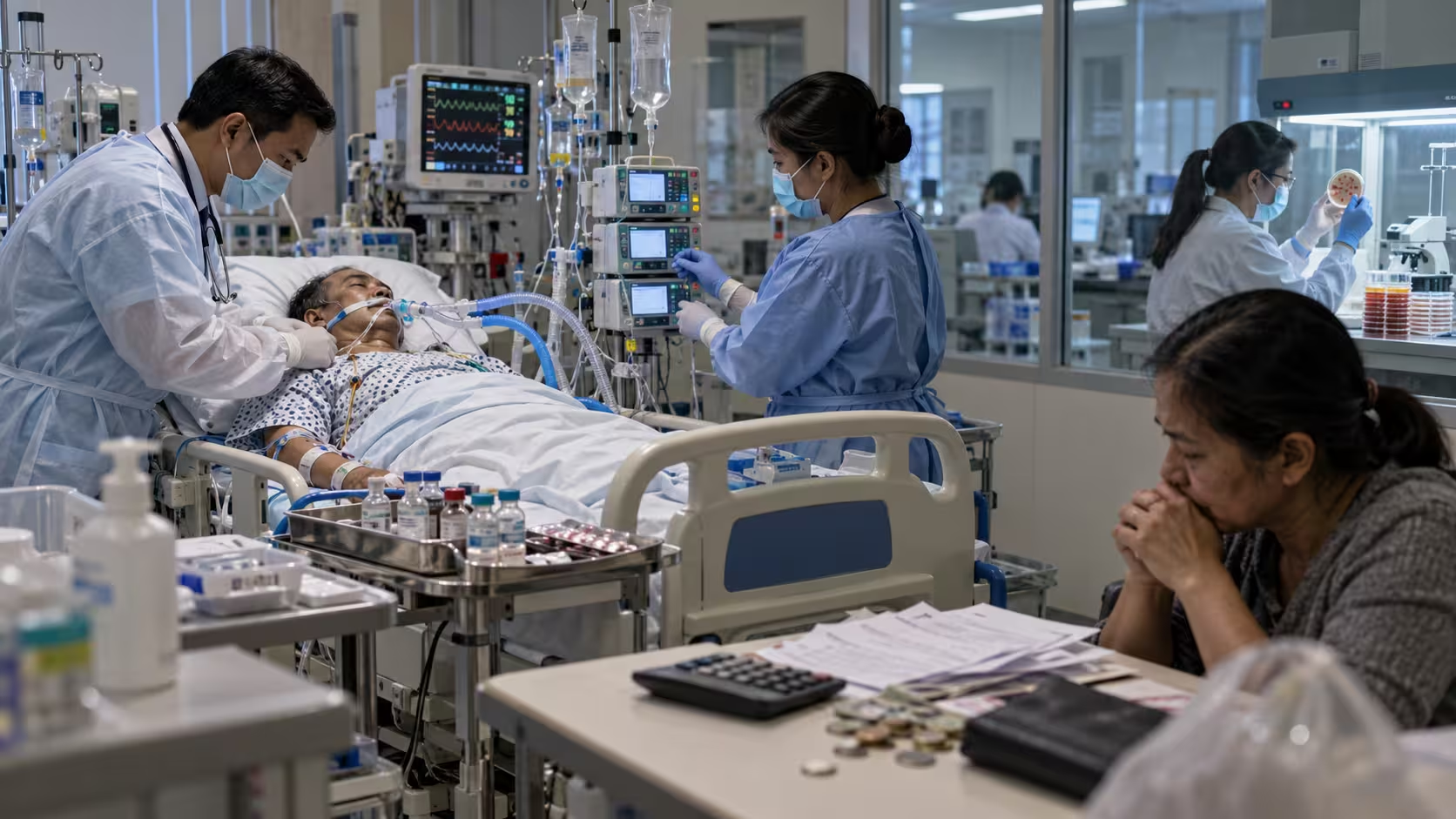
Hypertension earns its “silent killer” label for a reason: in the Philippines, prevalence sits at roughly 37%, yet more than half of hypertensive Filipinos do not know they have the condition, and only 27% have it under control. The clinical response has historically depended on clinic visits and occasional arm-cuff readings—snapshots separated by months of silence. In 2026, that clinical model is being disturbed by hardware that fits on a wrist.
From Optical Estimation to Actual Inflation
The distinction matters. Many smartwatches estimate blood pressure trends through optical sensors and algorithmic inference. The HUAWEI WATCH D3, launched in the Philippine market in September 2026, takes a different route: an inflatable airbag built into the strap uses the oscillometric method—the same principle as clinical electronic monitors—to measure systolic and diastolic pressure directly. A local comparison recorded a WATCH D3 reading of 119/76 mmHg against an OMRON upper-arm monitor’s 119/74 mmHg, with identical systolic values and a 2 mmHg diastolic gap.
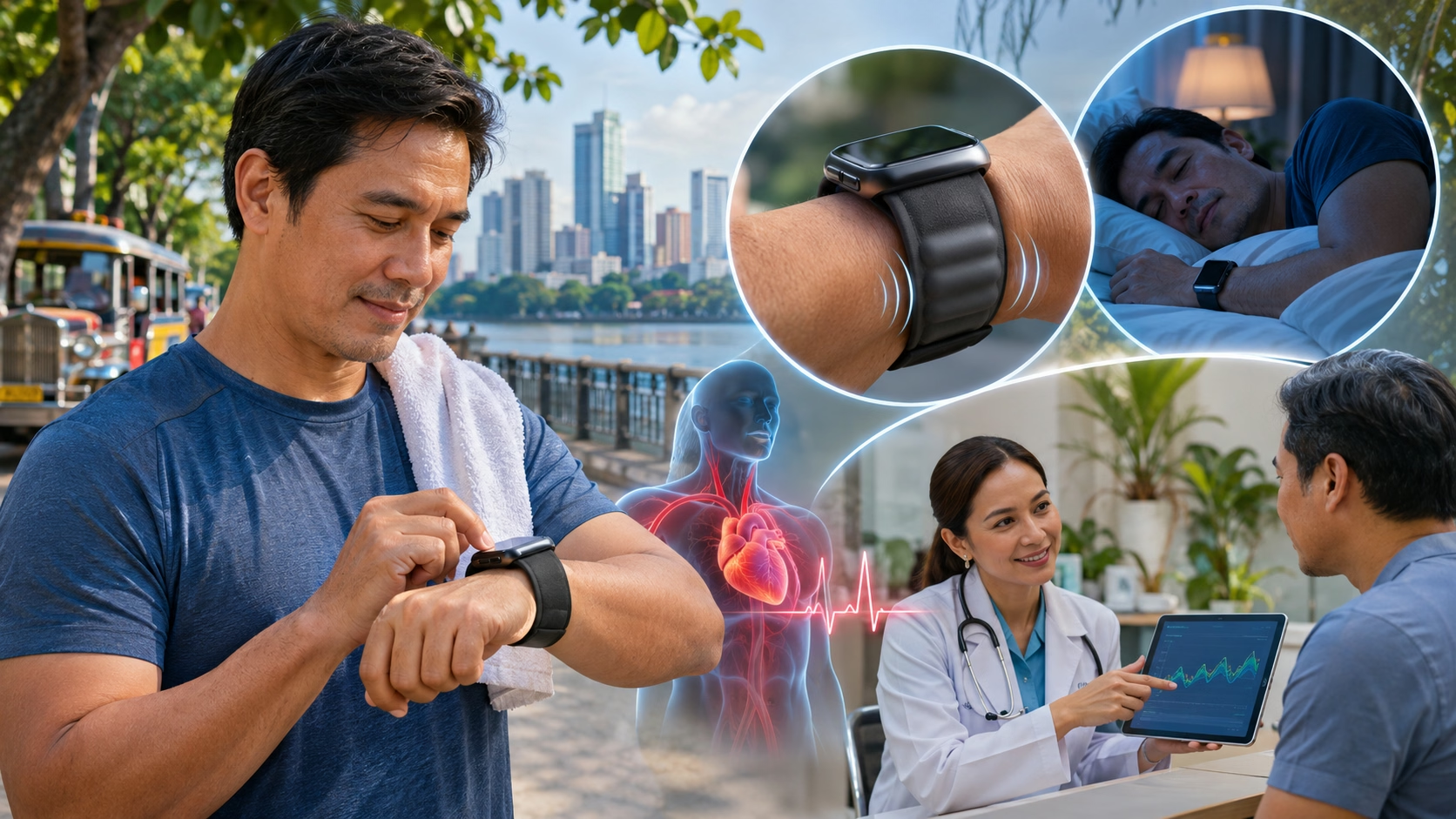
More consequential than a single reading is what the device does across a day. The D3 performs ambulatory blood pressure monitoring (ABPM), taking scheduled measurements over 24 hours, including during sleep, to capture daytime, nighttime, and overall averages. That window exposes patterns a clinic cuff cannot: nighttime hypertension, white-coat elevation, and masked hypertension—where clinic readings look normal while daily-life pressure runs high.
Hypertension Alerts Without a Cuff
Apple’s entry into the same clinical territory arrived in the Philippines in October 2026, when Apple Watch hypertension notifications went live locally. The feature does not inflate a cuff. Instead, it analyzes optical heart sensor data over recurring 30-day windows, looking for vascular response patterns consistent with chronic elevation, and pushes an alert when those patterns persist. Apple trained the underlying models on clinical study data from more than 100,000 participants and validated the approach in a trial exceeding 2,000 subjects.
The workflow after an alert is deliberately conservative: users are directed to log blood pressure twice daily for seven consecutive days using a validated home monitor, then export the log through the Health app for physician review—a structure aligned with American Heart Association diagnostic guidance. The device flags; the clinician diagnoses. That division of labor is what separates a regulated health feature from a wellness gadget.
What This Changes for Philippine Primary Care
The practical significance is not that Filipinos can now see a blood pressure number on their wrist. It is that the number arrives continuously, outside the clinic, with enough structure to support a clinical decision. A patient who would otherwise go years without screening can now generate a seven-day ambulatory record before ever sitting in a consultation room. For a country where undetected hypertension drives a substantial share of cardiovascular and kidney burden, that shift compresses the distance between daily life and diagnosis. The next constraint is not sensor accuracy—it is whether primary care systems can absorb and act on the data streams now arriving from patients’ wrists.
About the Author