
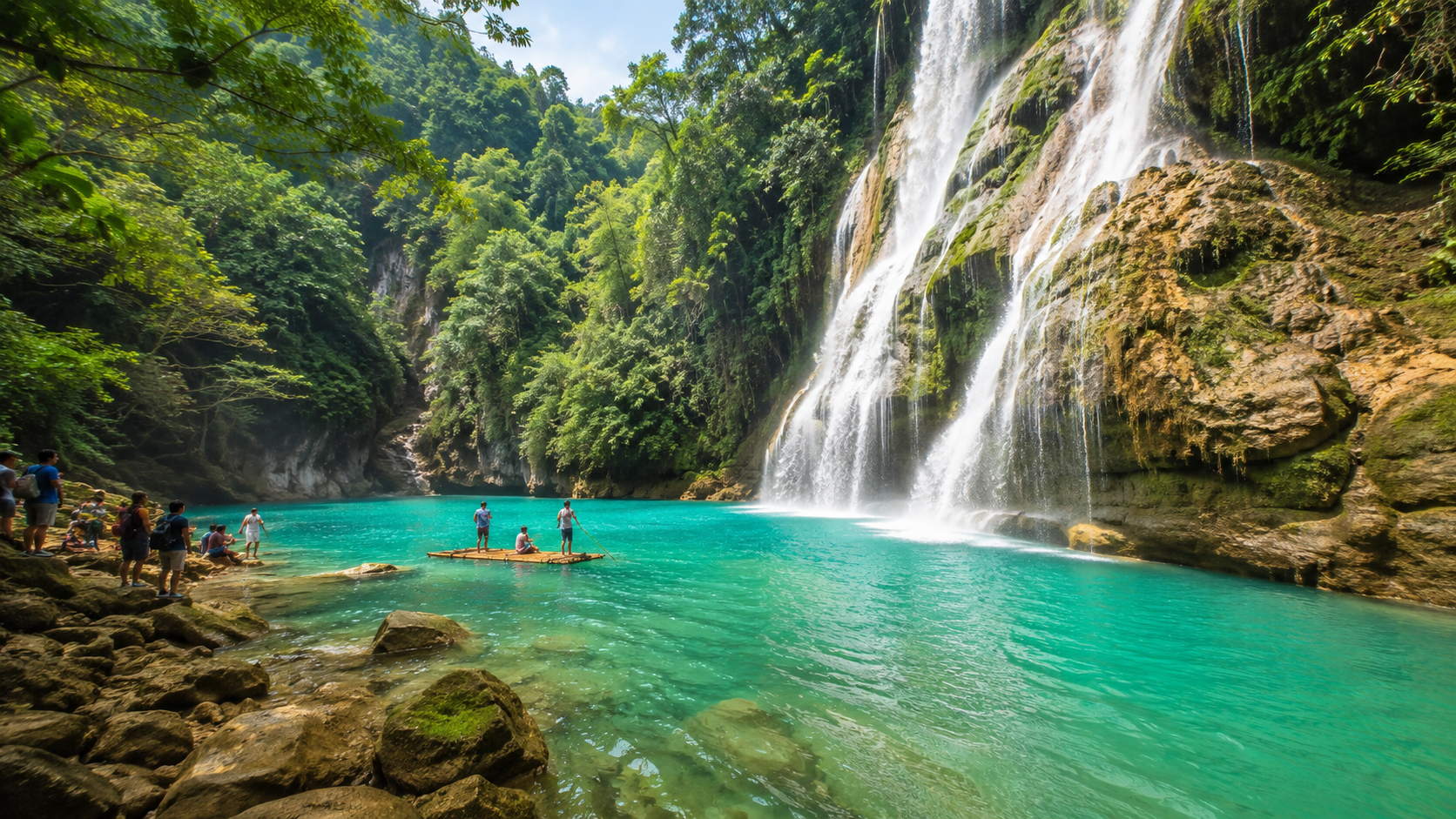
Why Waterfalls Are Becoming the Philippines’ Next Big Nature Draw
The Philippines is often marketed through its beaches, islands, and coral reefs, but its inland landscapes are equally dramatic. Across Luzon, Visayas, and Mindanao, waterfalls have become key destinations for travelers looking for cooler climates, forest trails, canyon routes, and community-based tourism experiences. For visitors planning a nature-focused trip, waterfalls offer a different side of the country: quieter, greener, and often deeply connected to local life.
The Philippine Department of Tourism’s official portal, available at https://philippines.travel/, remains one of the most useful starting points for checking destinations, travel themes, and official tourism information before visiting. This is especially important because access rules, safety procedures, and environmental guidelines can change depending on weather, local government policies, and conservation needs.
Kawasan Falls: Cebu’s Icon of Turquoise Water
A Real Case of Tourism Pressure and Regulation
Kawasan Falls in Badian, Cebu, is one of the country’s most photographed natural attractions. Its bright turquoise pools and multi-tiered cascades have made it a favorite among canyoneering travelers. However, its popularity also shows the real challenge facing Philippine nature tourism: how to welcome visitors without damaging fragile ecosystems.
In recent years, local authorities and tourism operators have placed stronger attention on guided access, safety equipment, visitor flow, and environmental discipline. For travelers, this means the experience is no longer just about taking photos. It is about respecting a managed natural site where safety and sustainability matter.
Other Waterfalls Worth Adding to a Philippine Itinerary
Tinuy-an Falls, Surigao del Sur
Often called the “Niagara Falls of the Philippines,” Tinuy-an Falls in Bislig is known for its wide curtain-like drop. It is especially striking in the morning when sunlight creates misty rainbows above the basin. The area is ideal for travelers who want a more expansive waterfall landscape rather than a narrow jungle cascade.
Pagsanjan Falls, Laguna
Pagsanjan Falls offers a different kind of adventure. Visitors usually reach the falls by riding a narrow wooden boat through a river gorge. The journey itself becomes part of the attraction, passing cliffs, vegetation, and fast-moving water. It is one of Luzon’s classic nature trips and remains popular for day tours from Metro Manila.
Asik-Asik Falls, North Cotabato
Asik-Asik Falls is unique because water appears to flow from a wall of greenery instead of a single river drop. Its remote location adds to its appeal, attracting travelers interested in less-commercialized natural scenery.
Practical Travel Advice for Waterfall Visitors
The best waterfall trips are planned with local conditions in mind. Rainy months can make waterfalls more powerful but may also increase risks such as slippery trails, flash floods, and temporary closures. Dry months may offer safer access but lower water volume. Travelers should bring water shoes, dry bags, insect repellent, and cash for local fees.
For 2026-focused travel planning, the most responsible approach is to verify local advisories before departure, book accredited guides where required, and avoid leaving trash or using soaps in natural pools.
About the Author