The Barong Tagalog has long been the Philippines’ sartorial signature, but its role in 2026 is more fluid than ever. Once confined to weddings and state functions, this lightweight embroidered shirt now navigates both diplomatic receptions and casual weekend outings, reflecting a broader shift in how Filipinos approach dress codes.
The Formal Legacy of the Barong
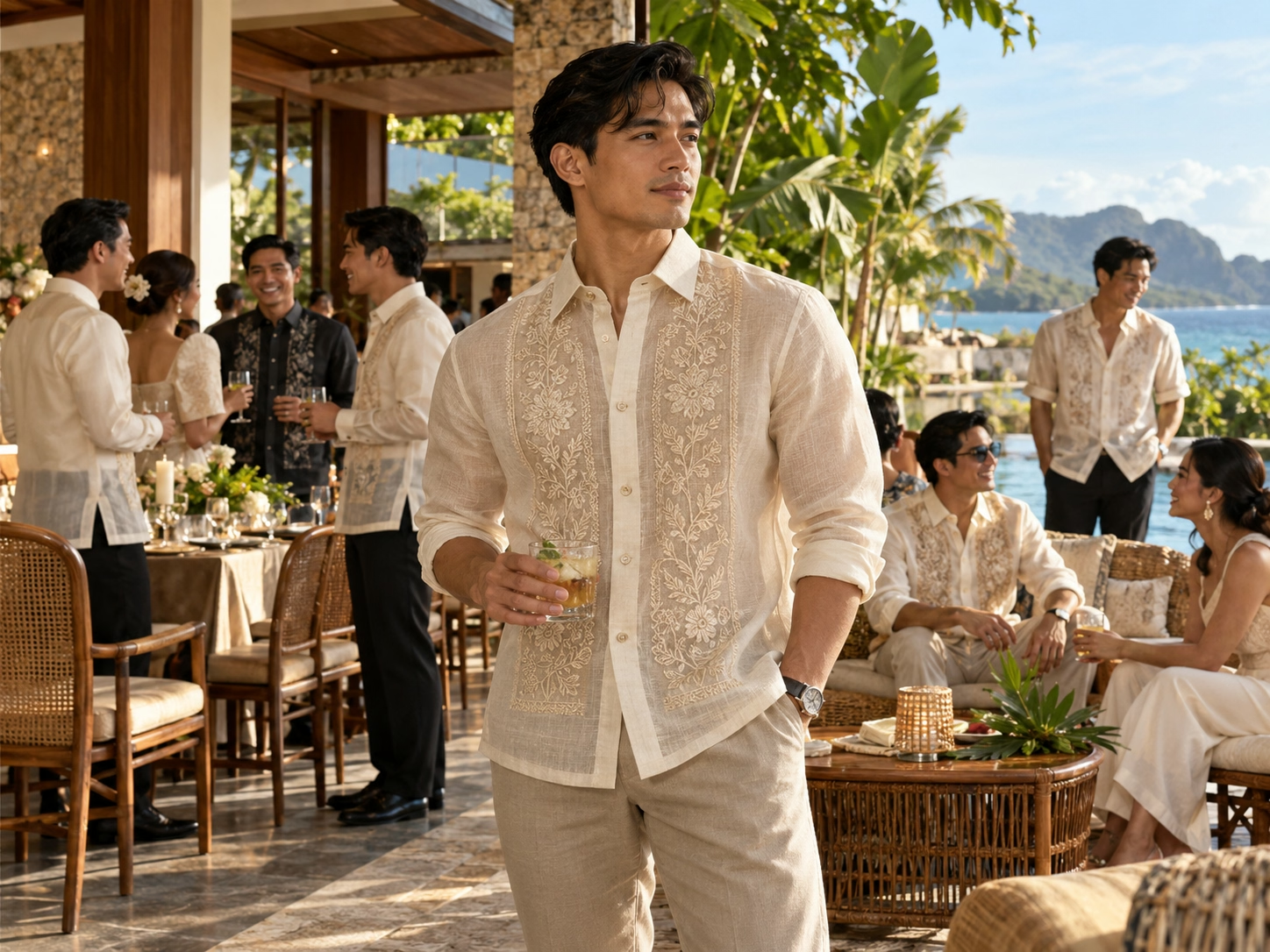
For decades, the Barong Tagalog has been the gold standard for formal occasions. Crafted from piña jusi or abacá, it is worn at presidential inaugurations, diplomatic dinners, and graduation ceremonies. Its sheer fabric and intricate embroidery signal respect without the stifling weight of a Western suit—a practical choice in the tropical heat.
In 2026, this formal role received a new spotlight when designer Francis Libiran unveiled “Malaya,” the official parade outfit for Team Philippines at the 20th Asian Games in Aichi-Nagoya, Japan. The barong features vibrant blue and red panels inspired by the Philippine flag, anchored by golden sun rays and Kalinga-inspired geometric patterns. Libiran noted that the design “continues the story” of dressing national athletes for major events, merging heritage with modern aesthetics.
The Casual Turn: Barong Meets Denim and Streetwear
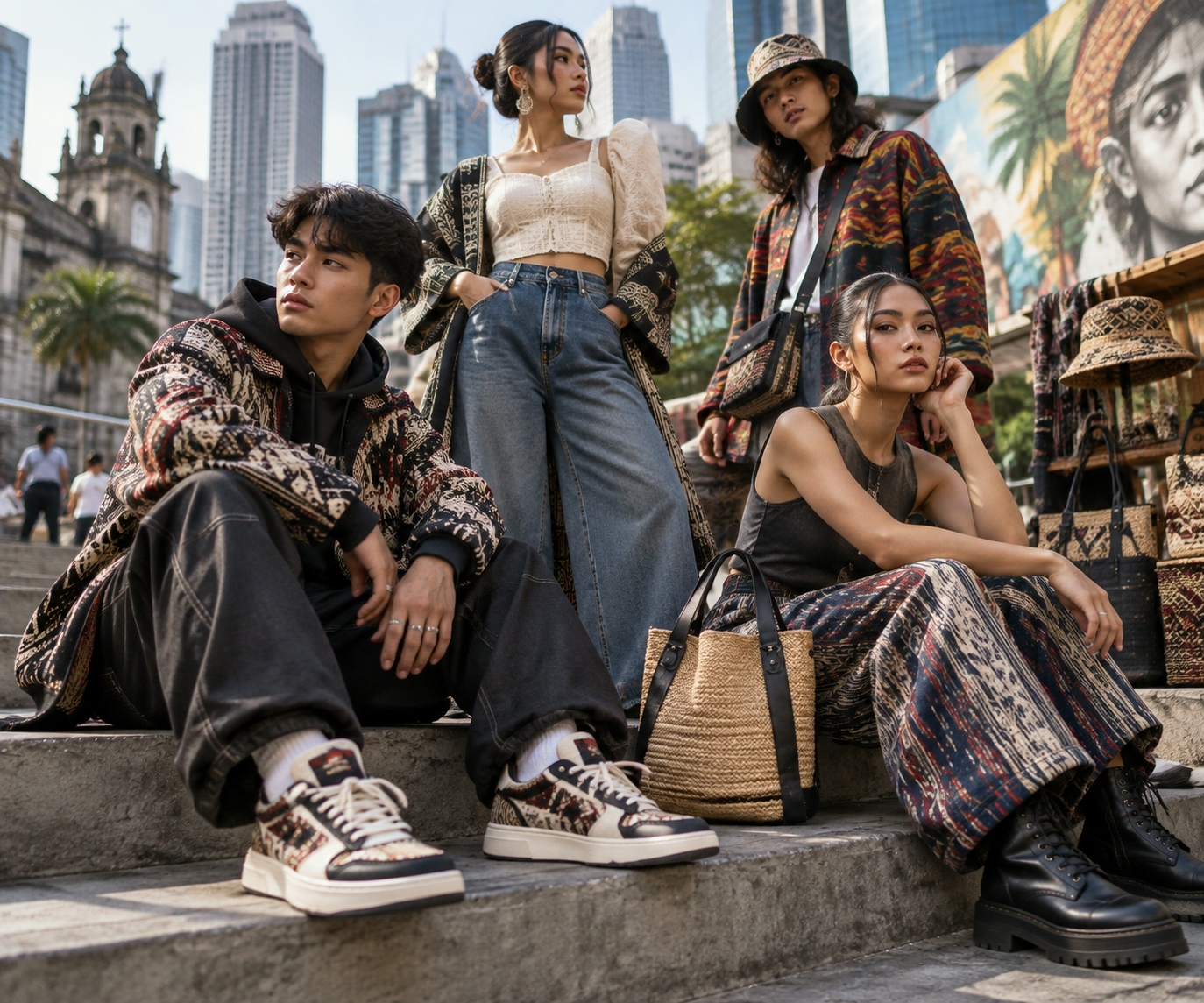
What makes the Barong Tagalog remarkable in 2026 is its crossover into casual territory. Young designers are deconstructing the garment—relaxing silhouettes, introducing bold colors, and pairing it with jeans or chinos. Albay designer Zen Rodrigueza, for instance, reimagines the barong as “sexy, chic, and unapologetically colorful,” challenging the notion that it belongs only to formal settings.
This shift is not merely aesthetic; it reflects a cultural confidence. Filipinos are increasingly comfortable wearing heritage pieces in everyday contexts, from mall strolls to creative office environments. The barong’s breathable fabric and open collar make it inherently suited to casual wear, even if tradition once dictated otherwise.
Practical Styling for Different Occasions
For formal events: Pair a classic piña barong with black dress pants and leather loafers. Keep the undershirt white and avoid tucking in the barong—its design is meant to hang loose.
For semi-formal settings: A modern barong with subtle embroidery works well with dark chinos and minimalist sneakers. This look bridges the gap between office and evening.
For casual outings: Choose a barong-inspired top in cotton or linen, worn open over a plain tee with jeans. This approach keeps the cultural reference while embracing comfort.
The Climate Factor
The Philippines’ tropical climate has always influenced dress codes. The barong’s lightweight construction is a natural antidote to the heat, making it more practical than a heavy suit for daytime formal events. As climate-conscious fashion gains traction, the barong’s sustainability credentials—many are handwoven from natural fibers—further boost its appeal.
Looking Ahead
The Barong Tagalog’s dual identity is not a compromise but an evolution. It allows Filipinos to honor tradition while adapting to modern lifestyles. Whether worn at a state dinner or a casual brunch, the barong remains a symbol of cultural pride—flexible, breathable, and unmistakably Filipino.
About the Author