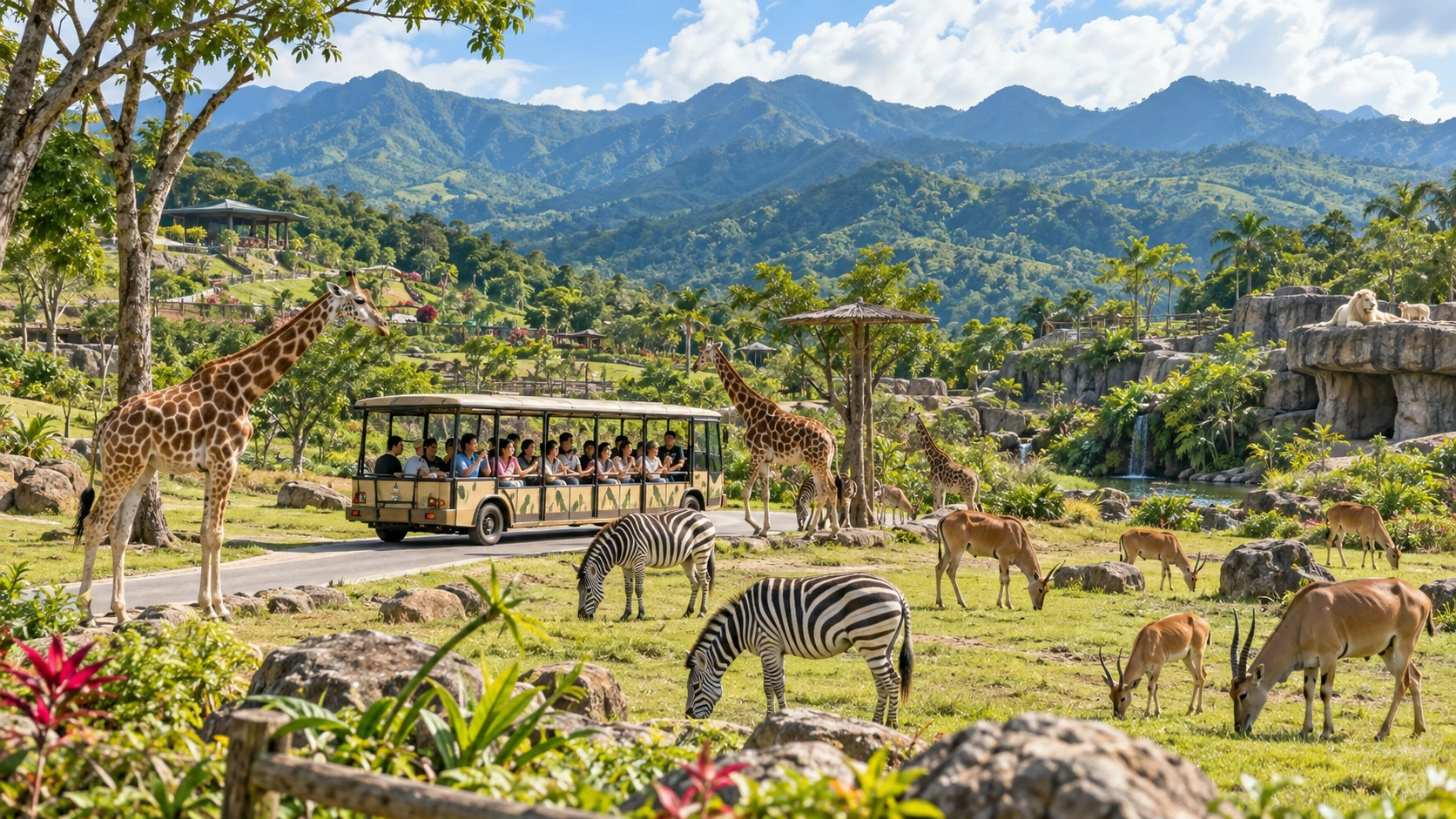
The Philippine archipelago is shifting its tourism narrative. In 2026, the focus is no longer just on the white-sand beaches of Boracay, but on the regenerative travel experiences found in the country’s highlands and deep waters. Travelers are seeking journeys that offer physical challenge and ecological connection, moving away from crowds toward the untouched frontiers of the “Pearl of the Orient.”
The Revival of the Tubbataha Reefs Natural Park
For divers, the Sulu Sea remains the holy grail of marine biodiversity. However, the 2026 season marks a significant milestone for conservation. Following years of strict marine protected area (MPA) enforcement by the Tubbataha Management Office, biomass levels have rebounded dramatically. Diving here is strictly regulated, limited to a few liveaboard vessels operating between March and June.
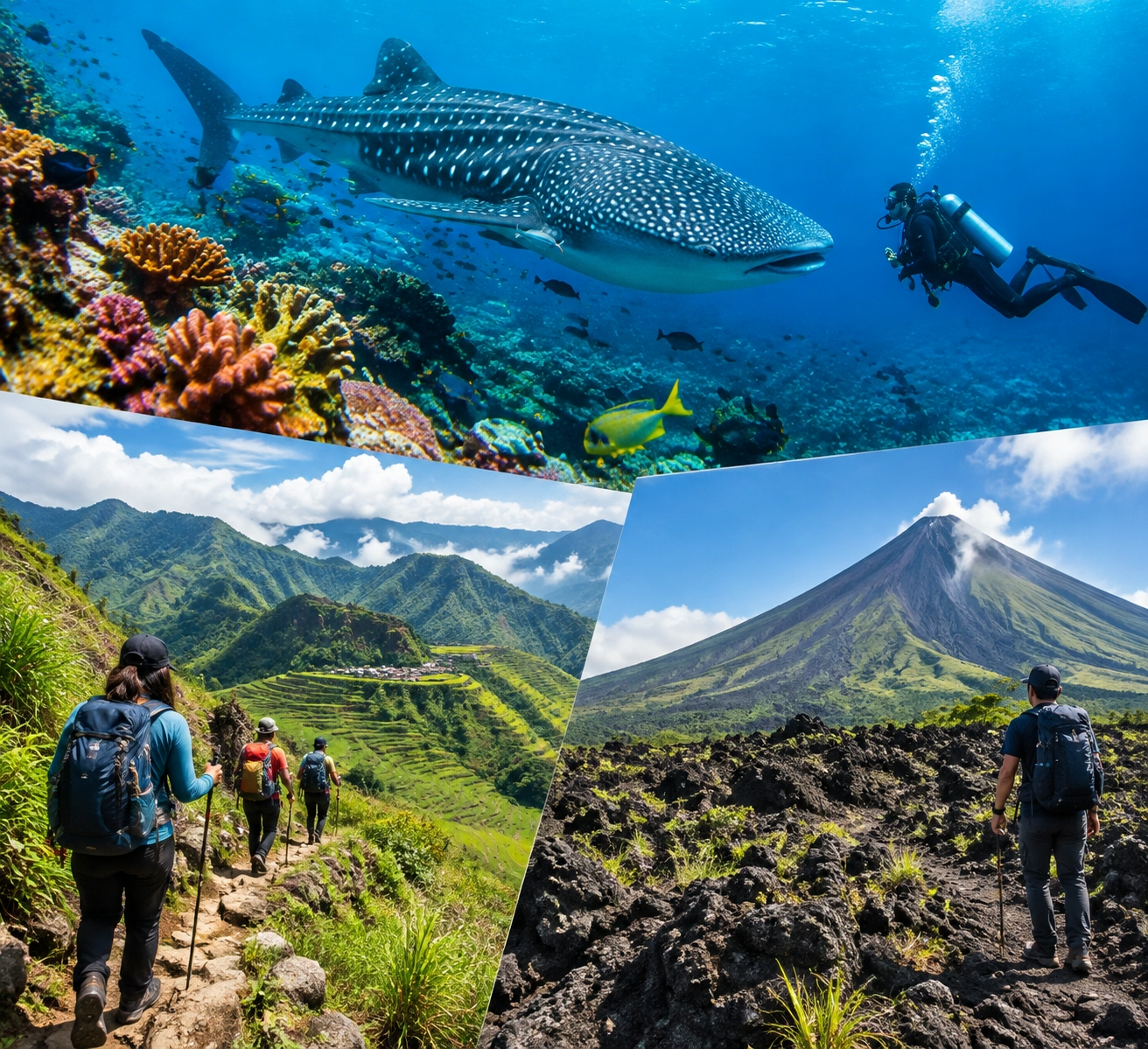
The experience is visceral; you are dropping into a vortex of life where whale sharks glide silently past walls of technicolor coral. Unlike the crowded dive sites of the Visayas, Tubbataha offers a sense of true wilderness. According to the official Tubbataha Reefs Natural Park website, the park logged a record number of conservation fees in early 2026, which are being funneled directly back into ranger patrols to combat illegal fishing (www.tubbatahareefs.org). This ensures that every diver’s visit is actively funding the preservation of the Coral Triangle.
Trekking the Cordillera’s Spine
Moving inland, the trekking scene in Northern Luzon has evolved. While Mount Pulag’s sea of clouds remains a bucket-list staple, 2026 is the year of the “Cordillera Traverse.” This multi-day hike connects remote villages in Ifugao and Mountain Province, bypassing the busy viewpoints of Batad for lesser-known terraces like those in Hapao and Hungduan.
These trails are not manicured; they are the lifeblood of the indigenous communities. Trekking here is an education in hydrology and ancient engineering. Hikers in 2026 are required to hire local guides through community-based tourism offices, ensuring that the economic benefits of the boom in hiking stay within the mountains. It is a slower, muddier, and infinitely more rewarding way to experience the Philippine highlands.
Volcanic Ascents and Lava Fields
For the adrenaline junkie, the Bicol region offers a stark contrast. The Mayon Volcano National Park has reopened specific trails that wind through the hardened lava flows of the 2018 eruption. This is not an easy hike; the terrain is jagged and black, but the visual reward is unrivaled. You are walking on the raw geology of the earth, with the perfectly symmetrical cone looming above.
Guides in 2026 are emphasizing “geo-tourism,” explaining the volcanic activity and the unique flora that has begun to colonize the ash fields. It is a powerful reminder of nature’s destructive and creative forces. The shift is clear: the Philippines is no longer a passive destination for sitting on a beach; it is an active arena for adventure.
About the Author