The modest fashion movement in the Philippines has experienced significant growth as more consumers seek clothing that combines personal values, cultural identity, comfort, and contemporary style. Although the country is known for its diverse fashion influences, the increasing visibility of Muslim Filipino communities has contributed to the expansion of modest clothing options beyond traditional boundaries.
The development of modest fashion is particularly noticeable in regions with strong Muslim populations, such as Bangsamoro Autonomous Region in Muslim Mindanao (BARMM), where traditional garments and Islamic-inspired designs have become increasingly connected with modern fashion trends.
From Traditional Muslim Clothing to Contemporary Fashion Expressions
Historically, modest clothing among Filipino Muslims was closely associated with religious practices and cultural traditions. Garments such as hijabs, abayas, long dresses, and loose-fitting clothing represented faith and community identity.
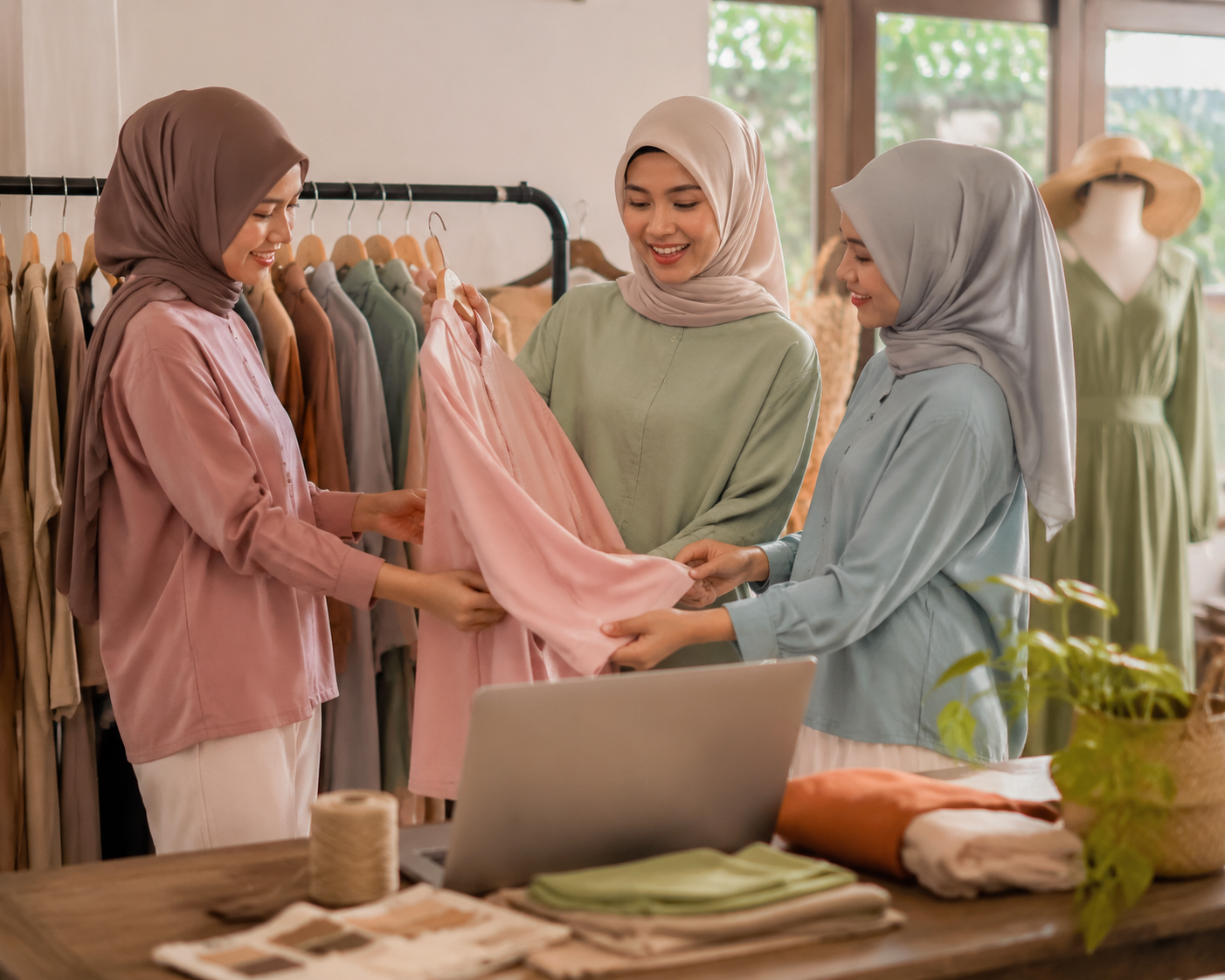
Today, designers and entrepreneurs are reshaping these traditional elements into modern collections featuring elegant silhouettes, vibrant colors, and designs suitable for professional environments, social gatherings, and everyday lifestyles.
Filipino modest fashion brands are increasingly creating products that appeal not only to Muslim consumers but also to wider audiences who appreciate minimalist, comfortable, and sophisticated clothing.
Digital Platforms Accelerate Modest Fashion Expansion
One of the biggest drivers behind the growth of modest fashion in the Philippines is digital commerce. Social media platforms, online marketplaces, and influencer marketing have allowed small fashion businesses to reach customers nationwide.
Many emerging designers now use Instagram, TikTok, and e-commerce platforms to showcase hijab styling ideas, modest outfit inspirations, and limited-edition collections. This digital shift has reduced dependence on physical retail stores and created opportunities for young Filipino entrepreneurs.
According to the Philippine Statistics Authority, the country’s digital economy continues expanding, with digital transactions becoming an increasingly important part of consumer behavior. Data reference: https://psa.gov.ph
This digital transformation provides a strong foundation for modest fashion businesses to grow through online visibility and direct customer engagement.
The Role of Filipino Designers in Creating Local Identity
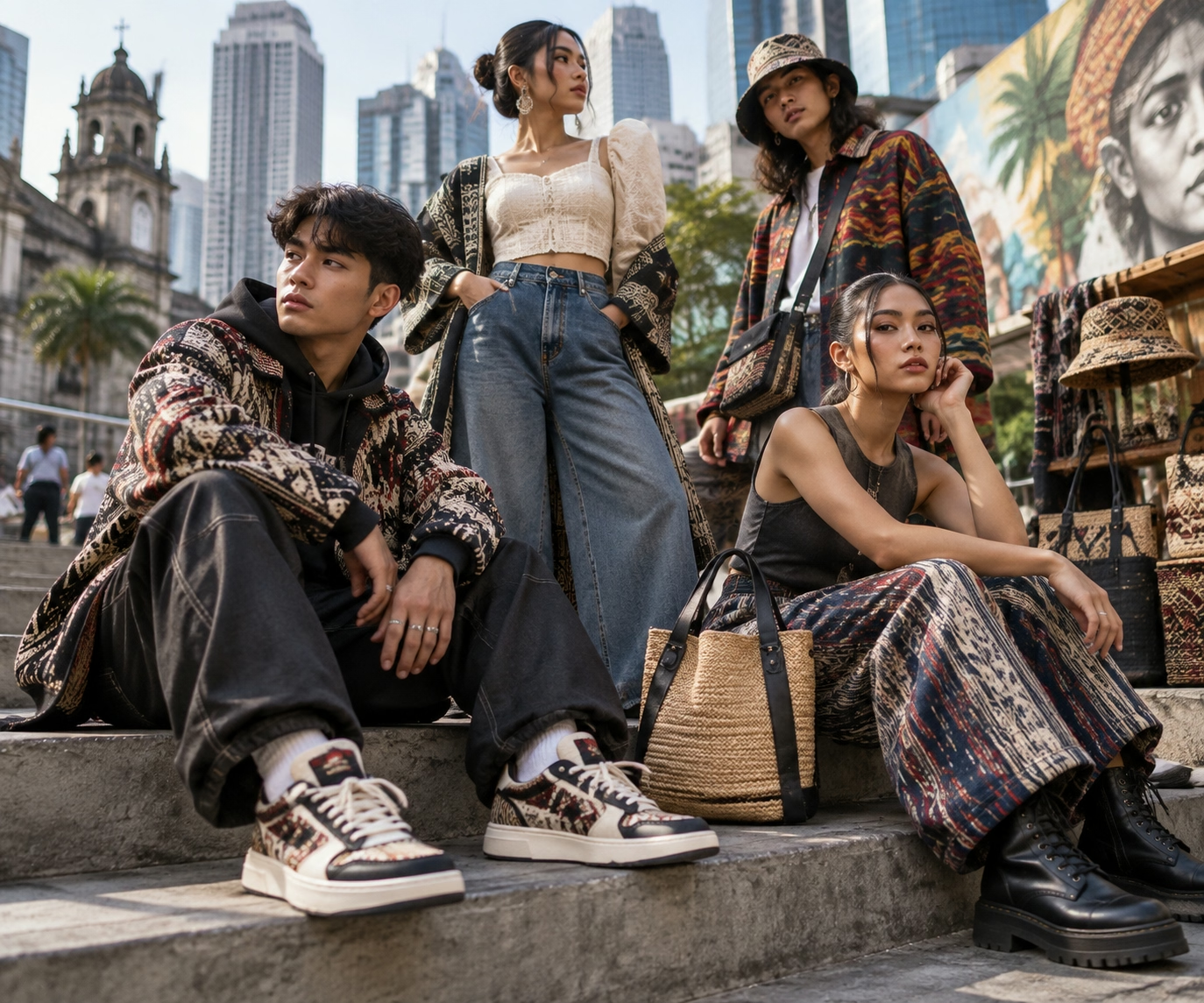
A significant trend in Philippine modest fashion is the combination of Islamic principles with Filipino craftsmanship. Designers are incorporating local textiles, traditional patterns, and regional artistry into modest clothing collections.
This approach creates a unique identity that separates Filipino modest fashion from global markets dominated by Middle Eastern or Southeast Asian styles.
Events, fashion showcases, and entrepreneurship programs have also helped introduce modest designers to broader audiences. The movement demonstrates that modest fashion is not only about clothing restrictions but also about creativity, representation, and cultural storytelling.
Future Opportunities for the Philippine Modest Fashion Sector
The continued growth of halal industries, Muslim-friendly tourism, and online retail suggests that modest fashion will remain an emerging sector in the Philippines.
As younger generations look for clothing that reflects both modern lifestyles and personal beliefs, brands that offer authenticity, quality materials, and inclusive designs are likely to gain stronger market positions.
The Philippine modest fashion industry represents a developing space where tradition meets innovation, creating new opportunities for designers, entrepreneurs, and consumers.
About the Author