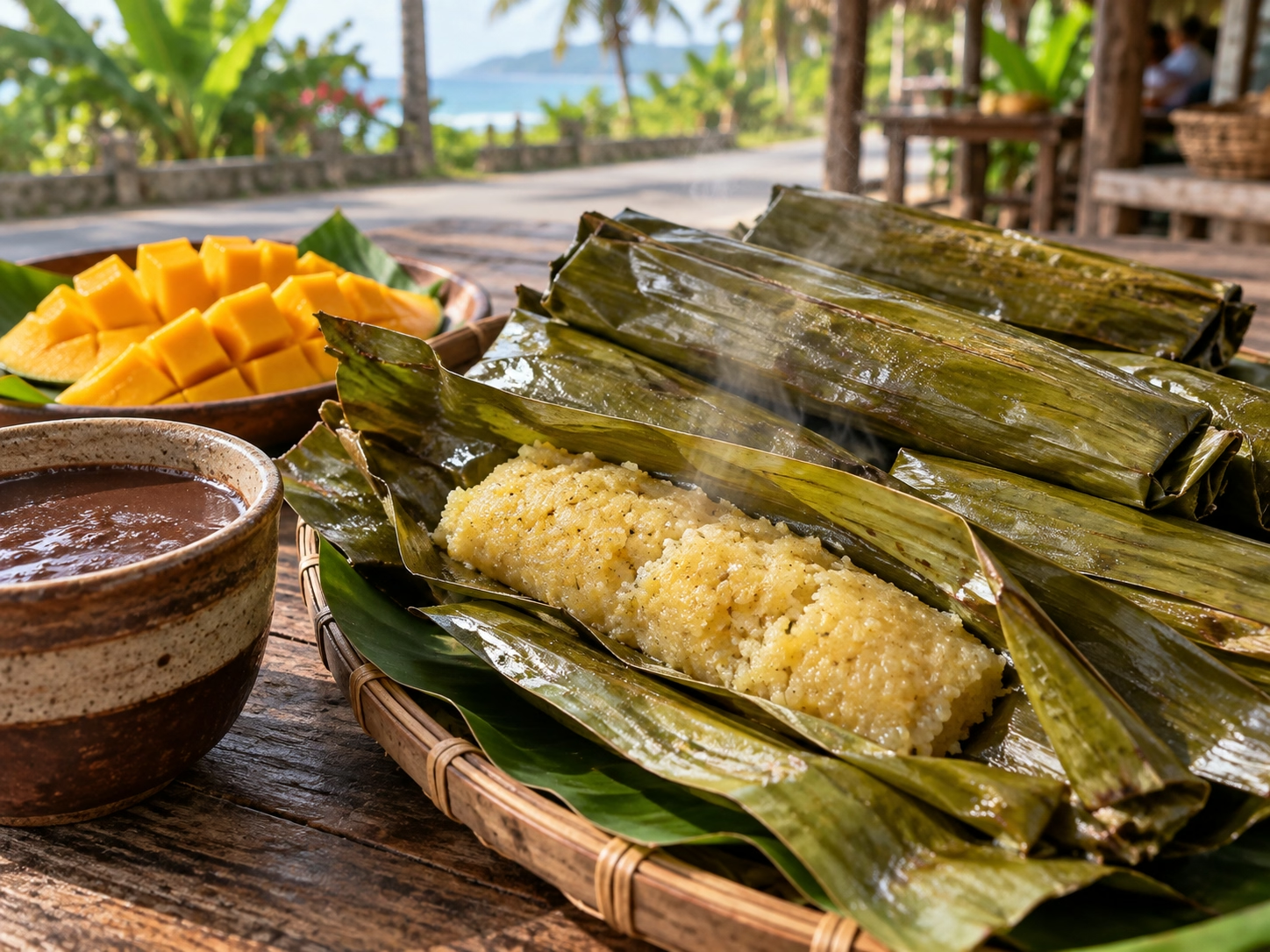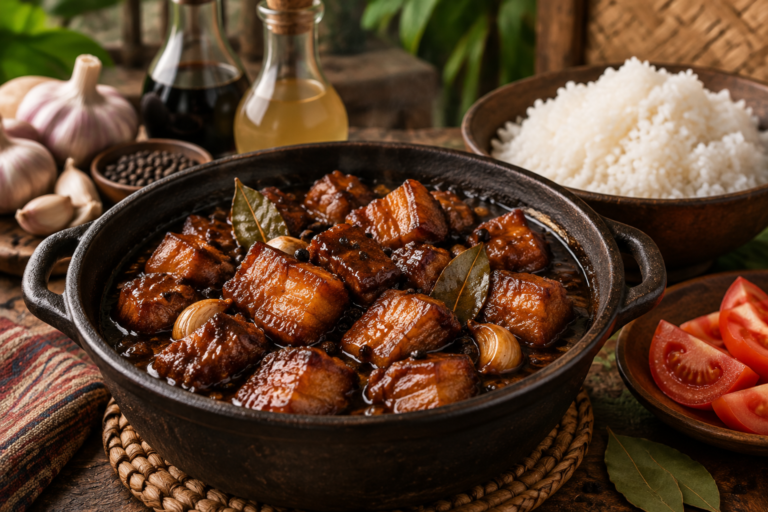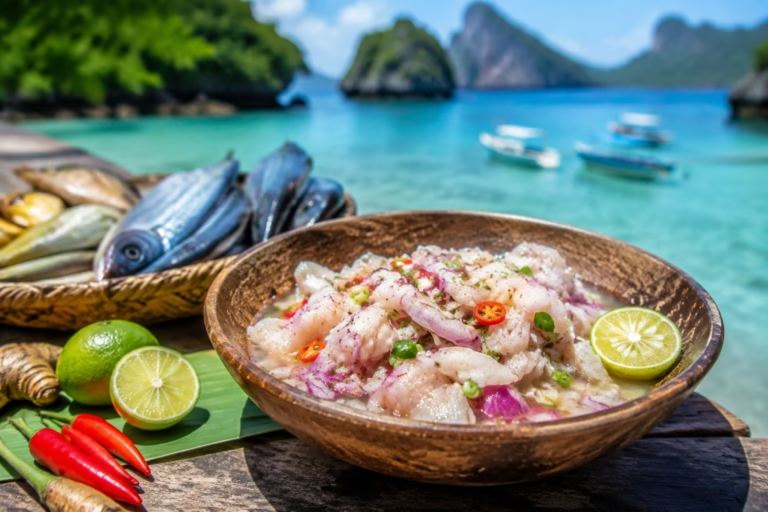

Filipino cuisine has always been a blend of diverse cultures, creating an interesting combination of flavors, textures, and ingredients. While the Filipino food scene is often recognized for its rich, indulgent dishes, a deeper look reveals that traditional Filipino cuisine has many elements that support a healthy lifestyle. The food culture here emphasizes fresh, locally sourced ingredients, balanced meals, and the use of natural herbs and spices.
One of the key features of Filipino food that contributes to a healthy lifestyle is its reliance on vegetables. Popular dishes such as ginataang gulay (vegetables cooked in coconut milk), laing (taro leaves cooked in coconut milk), and sinigang (a sour soup) highlight the abundance of vegetables like spinach, okra, eggplant, and various root crops like sweet potatoes and yams. These ingredients are packed with vitamins, minerals, and dietary fiber, promoting digestive health and lowering the risk of chronic diseases such as hypertension and diabetes.
Fish and seafood are also staples in Filipino cuisine. The archipelagic nature of the Philippines makes fish an essential part of the diet. Dishes like tinola (chicken soup with ginger and green papaya) often feature fish or seafood as a central protein, providing an excellent source of omega-3 fatty acids. This is important for heart health and reducing inflammation in the body.
Moreover, many Filipino cooking methods, such as steaming, grilling, and boiling, help preserve the nutritional integrity of ingredients without the added calories and fats from frying or heavy oil use. For example, inihaw na baboy (grilled pork) and sinigang na baboy (pork in sour soup) are both healthy ways of preparing meats, offering leaner cuts and healthier preparations compared to deep-frying.
However, traditional Filipino food isn’t without its challenges when it comes to modern health considerations. Many dishes contain high levels of sodium, especially in soy-based sauces like patis (fish sauce) or in processed ingredients. It’s important to balance these flavors with fresh, low-sodium alternatives, such as coconut vinegar or lemon, to reduce sodium intake.
Aside from the food itself, Filipino dining habits also contribute to a healthy lifestyle. Meals are typically enjoyed with family and friends, promoting a sense of community and mental well-being. The practice of eating in moderation and savoring each bite encourages mindful eating, which can help prevent overeating and support healthy weight management.
Incorporating more plant-based dishes, using less sodium, and focusing on fresh, local produce can enhance the health benefits of Filipino food while preserving its rich cultural heritage. By combining tradition with healthier preparation methods, Filipino cuisine can serve as a model for achieving a balanced, nutritious lifestyle.
About the Author