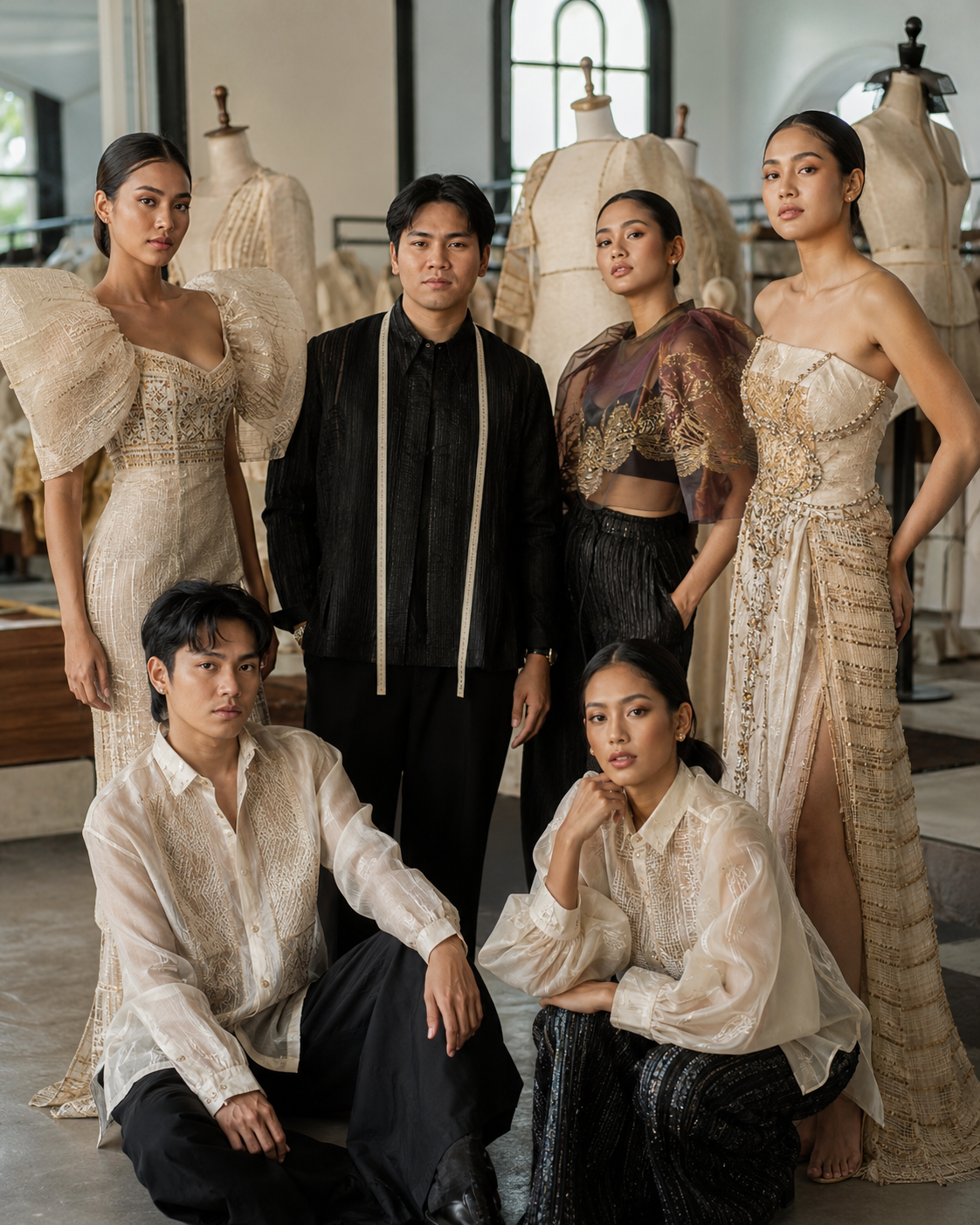
The Philippines has long been known for craftsmanship, textile artistry, and a strong sense of personal style. Today, a new generation of Filipino designers is transforming those strengths into fashion that feels modern, expressive, and internationally relevant. These young creatives are not simply copying global trends. They are using Philippine culture, local materials, sharp tailoring, and contemporary storytelling to create work that can stand beside major fashion capitals such as Paris, Milan, London, New York, Seoul, and Tokyo.
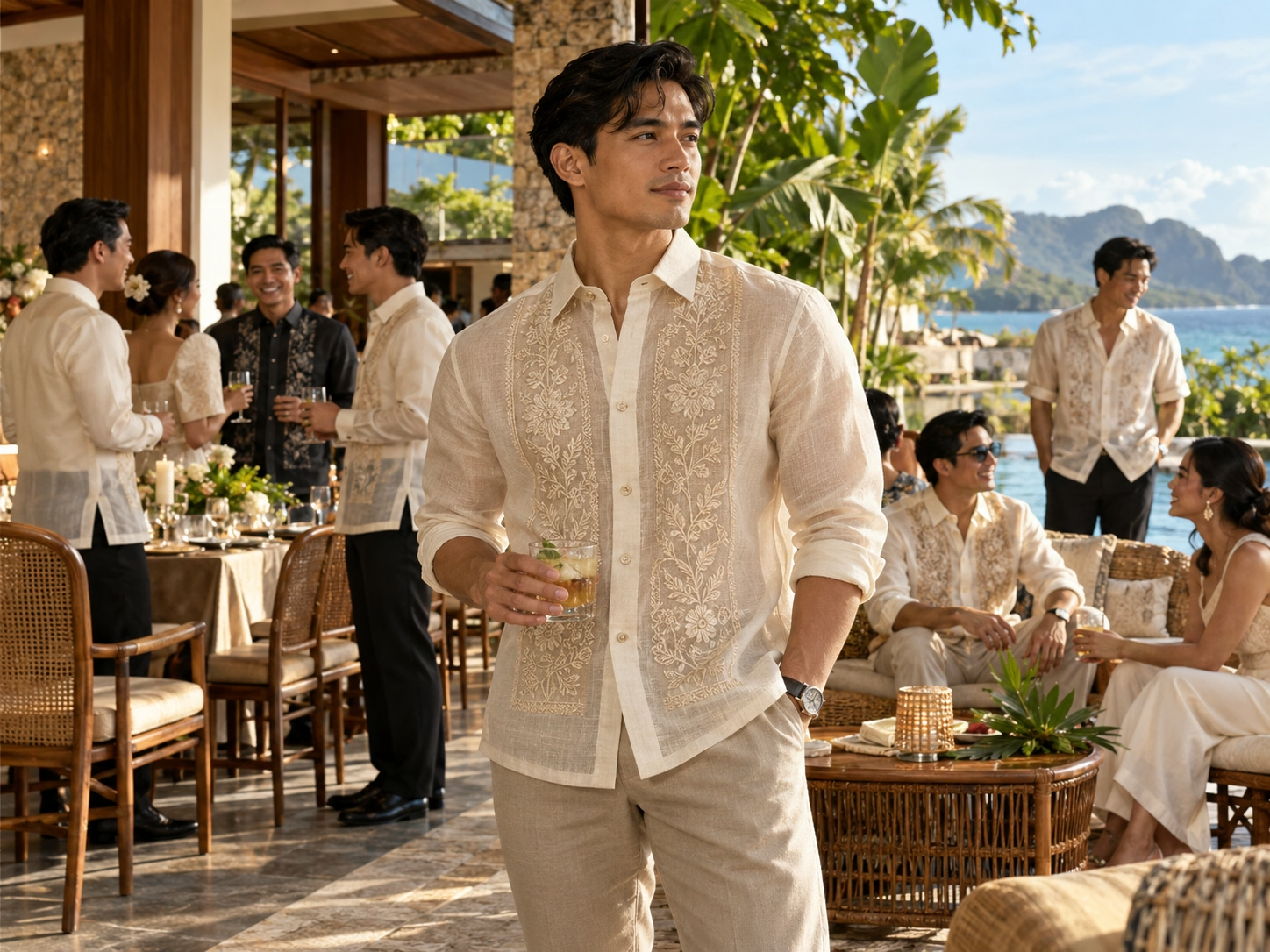
One reason young Filipino designers are gaining attention is their ability to merge heritage with innovation. Traditional elements such as the barong, the terno sleeve, hand embroidery, piña-inspired textures, abaca, and woven fabrics are being reinterpreted in fresh ways. Rather than presenting culture as costume, many designers turn it into wearable, modern fashion. This approach allows Filipino identity to appear subtle, stylish, and globally understandable. It also gives their collections emotional depth because each garment carries a sense of place and history.
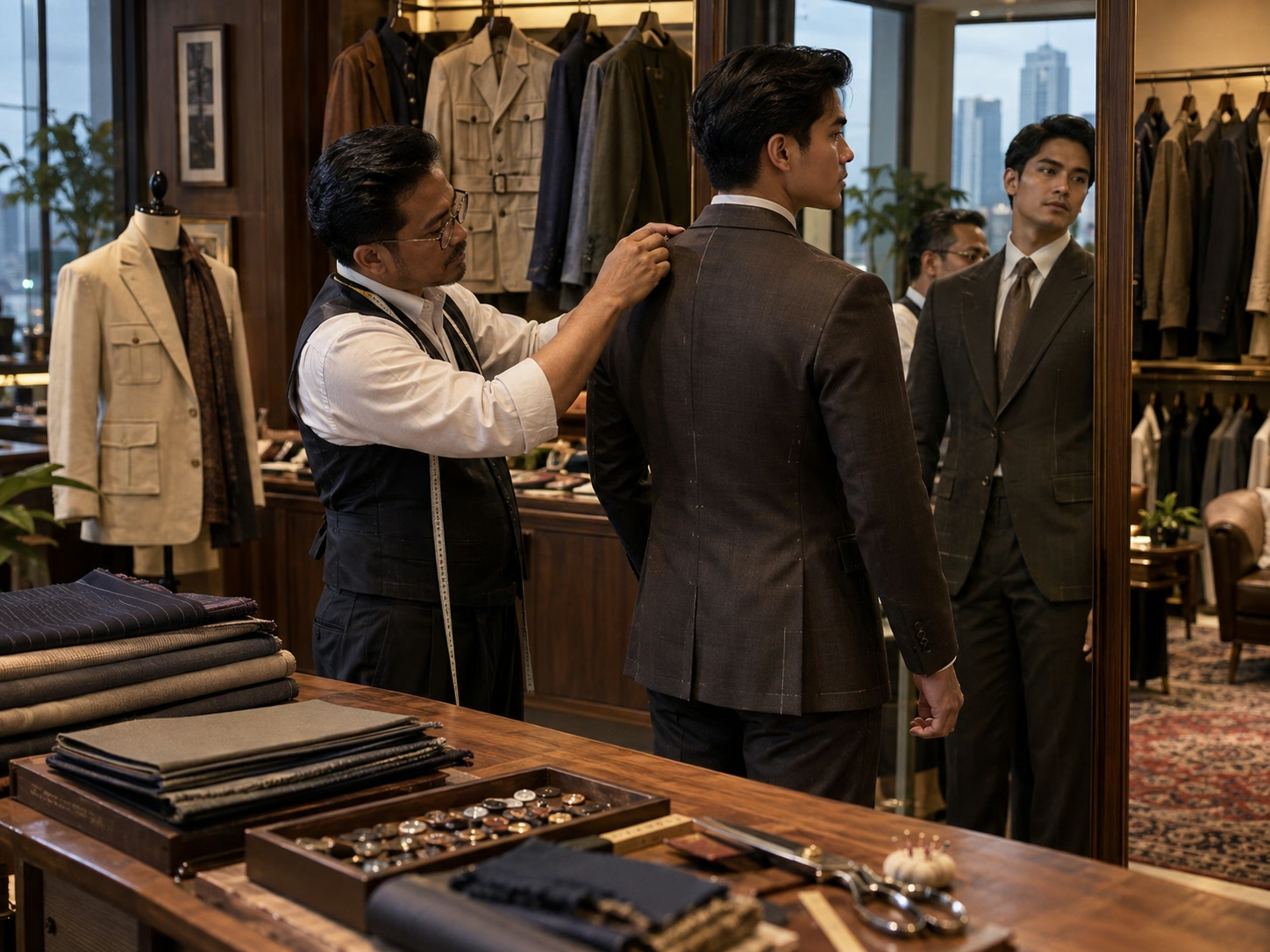
Several emerging and younger-generation Filipino names show this potential clearly. Designers such as Jaggy Glarino, Renz Reyes, Carl Jan Cruz, Chris Nick, and other rising creatives represent different sides of the country’s fashion future. Some focus on sculptural silhouettes and dramatic shapes, while others prefer minimalist tailoring, experimental streetwear, or elegant eveningwear. What connects them is confidence. Their work suggests that Philippine fashion does not need to stay within local borders. It can compete internationally because it has both technical skill and a unique point of view.
The global fashion market is also becoming more open to designers from outside traditional Western centers. Buyers, stylists, editors, and celebrities are increasingly interested in brands that bring new stories and cultural perspectives. This shift creates a valuable opportunity for Filipino designers. Their advantage lies in offering something distinct: tropical sensibility, multicultural influence, resourceful craftsmanship, and emotional storytelling. Philippine fashion often reflects a mix of Asian, Spanish, American, and indigenous influences, giving young designers a rich creative archive to explore.
Sustainability is another area where Filipino designers can make a strong impact. Many young creatives are becoming more aware of slow fashion, ethical labor, local sourcing, and limited production. In a world where consumers are questioning fast fashion, designers who value craftsmanship and responsible production may gain stronger international respect. The Philippines has skilled artisans in weaving, embroidery, beadwork, and fabric manipulation. When young designers collaborate with these communities, they can help preserve traditional skills while creating fashion that feels relevant today.
However, the path to global recognition is not easy. Young Filipino designers face challenges such as limited funding, expensive production costs, weak international distribution, and fewer opportunities to show collections abroad. Building a global label requires more than creativity. It also demands branding, business strategy, digital marketing, reliable manufacturing, and access to fashion networks. Still, social media has made it easier for talented designers to be discovered. A strong campaign, celebrity placement, or viral runway image can introduce a Filipino brand to audiences far beyond Manila.
The future of Filipino fashion looks promising because its young designers are not waiting for permission. They are building identities that are proudly local yet globally appealing. Their collections show that Philippine design can be refined, experimental, luxurious, sustainable, and emotionally powerful. With stronger support, wider exposure, and continued creative confidence, these young Filipino designers have the potential to become some of the most exciting new voices in world fashion.
About the Author