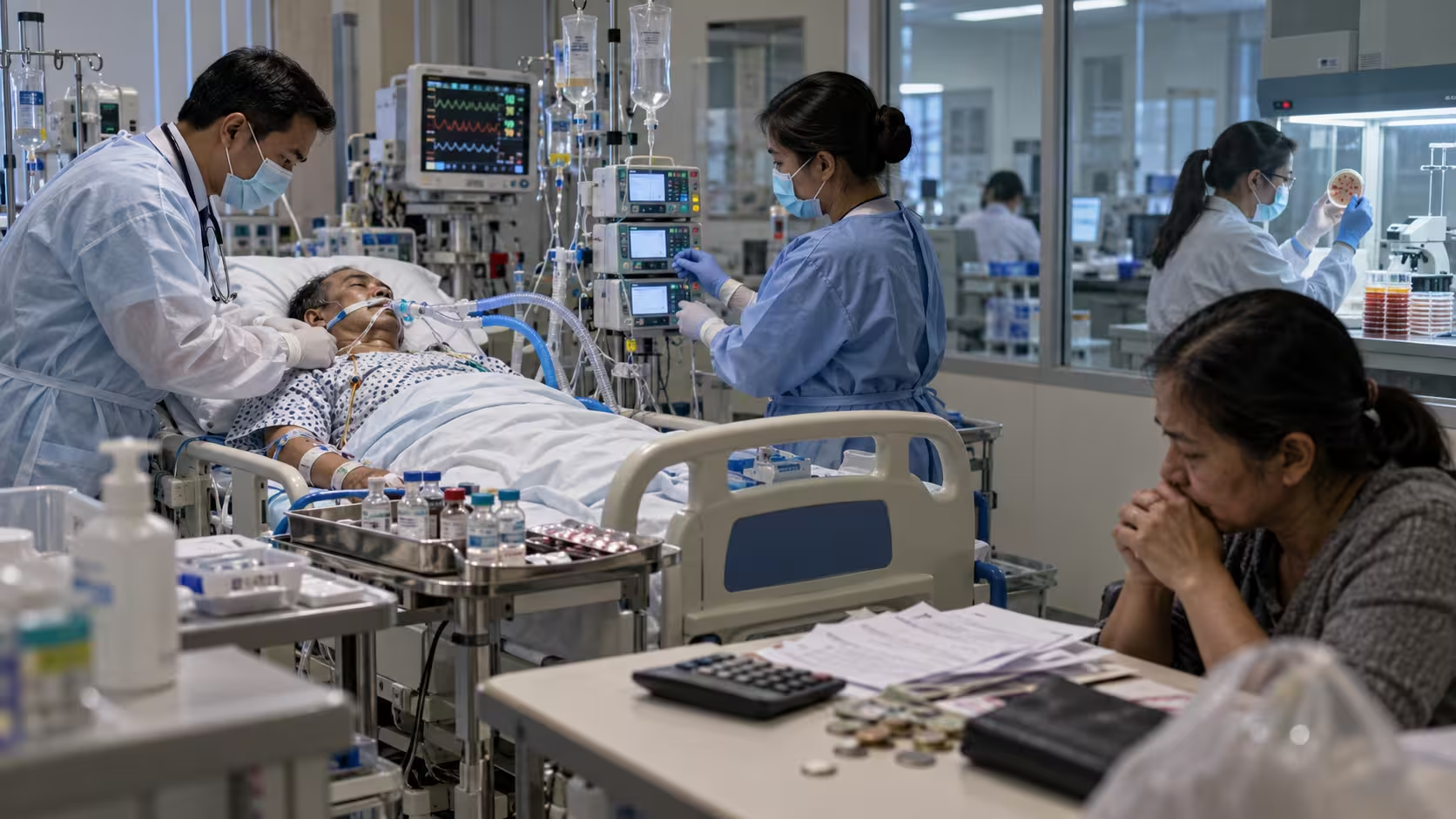
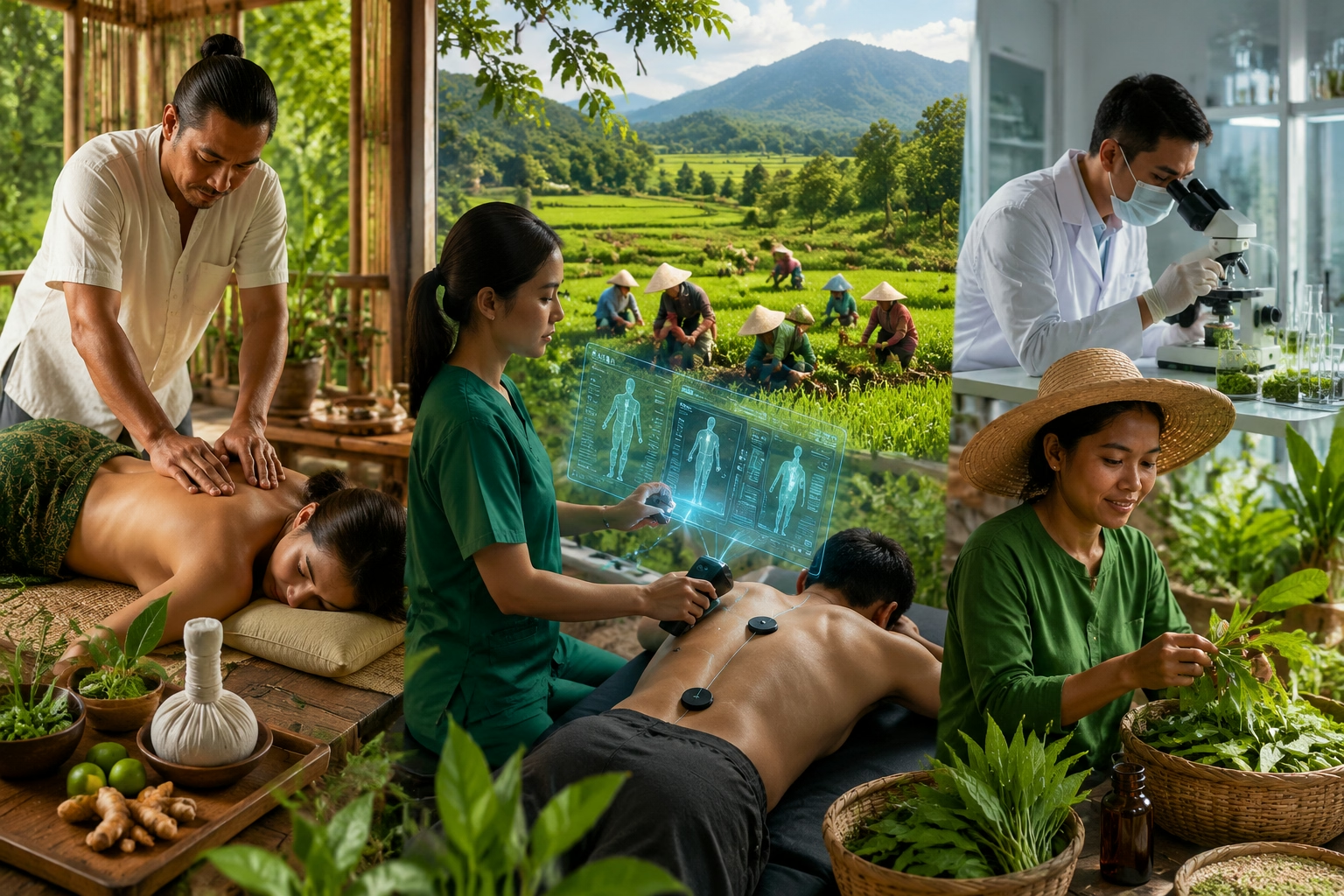
As the global health paradigm shifts toward holistic and preventative care, the Philippines is emerging as a key player in the Asian wellness sector. By 2026, the reliance on conventional biomedical treatments is being balanced by a robust resurgence of indigenous healing modalities. No longer viewed merely as folklore, the traditional practices of the archipelago—ranging from the deep-tissue artistry of Hilot to the pharmacological validation of Lagundi—are securing a legitimate place in the mainstream medical infrastructure. This transition is driven by rigorous scientific validation, economic accessibility, and a cultural reawakening that prioritizes ancestral knowledge in the modern age.
The Integration of Traditional Medicine into the National Health System
The Philippine Department of Health (DOH) has significantly expanded its Traditional and Alternative Medicine Act (TAMA) initiatives. In 2026, the focus has shifted from simple acknowledgment to active clinical integration. The Philippine Institute of Traditional and Alternative Health Care (PITAHC) has been instrumental in standardizing herbal dosages to meet international safety standards. We are witnessing a surge in physician referrals for complementary therapies, particularly for chronic pain management and mental health support. The recent rollout of the “Integrated Health Passport” in Metro Manila allows patients to access both conventional hospitals and accredited traditional healers under a single subsidized health package, effectively dismantling the financial barriers that previously limited herbal medicine to low-income brackets.
The Technological Renaissance of “Hilot”
One of the most compelling developments this year is the mechanization and certification of Hilot. While traditional manghihilot (practitioners) relied on intuitive touch, 2026 has seen the rise of “Precision Hilot.” This technique uses biometric sensors during therapy to map muscle tension and nerve response in real-time, allowing practitioners to adjust pressure with scientific accuracy. Wellness centers in Cebu and Davao have begun exporting this model to Japanese and Middle Eastern markets, branding it as a high-tech alternative to physical therapy. This technological upgrade has not diminished the spiritual aspect of the practice; rather, it has provided a quantifiable language that bridges the gap between indigenous healers and Western-trained physiotherapists, ensuring insurance companies are more willing to cover the sessions.
The Economic Impact of Local Herbal Farming
From an economic perspective, the demand for raw botanical materials has revolutionized rural agriculture in 2026. The cultivation of Sambong (Blumea balsamifera) and Tsaang Gubat has provided a stable livelihood for farmers previously reliant on volatile cash crops. The shift toward local sourcing has also mitigated supply chain disruptions that plagued the import of synthetic drugs during recent global crises. This agricultural boom underscores a critical geopolitical point: the Philippines is moving toward “health sovereignty,” reducing its dependency on foreign pharmaceuticals by nurturing its own natural pharmacy.
About the Author