Mental health has become one of the most urgent areas of adolescent health awareness in the Philippines. Filipino teenagers are navigating academic pressure, cyberbullying, family financial difficulties, social-media comparison, and uncertainty about their future. These pressures do not always result in a diagnosed mental illness, but they can affect sleep, school attendance, relationships, and a young person’s willingness to seek help.
The Philippine response increasingly recognizes that mental health education must begin before a teenager reaches a crisis. Instead of treating emotional distress only as a medical issue, schools, local governments, health workers, and youth organizations are working to make mental well-being part of everyday health discussions.
Schools Are Becoming the First Line of Support
Schools are among the most practical places to reach adolescents because students spend a significant part of their day in classrooms. Mental health awareness activities can help teenagers identify warning signs such as prolonged sadness, withdrawal, panic, self-harm thoughts, severe irritability, and sudden changes in academic performance.
The country’s Mental Health Act, or Republic Act No. 11036, provides a national framework for integrating mental health services into schools, workplaces, communities, and healthcare facilities. The law also emphasizes protection from discrimination and the right to accessible mental healthcare.
In practice, schools may conduct classroom discussions, wellness weeks, counseling sessions, anti-bullying campaigns, and referral programs. Teachers are not expected to replace psychologists, but they can be trained to recognize concerning behavior and direct students to qualified support.
Peer-to-Peer Programs Reduce Stigma
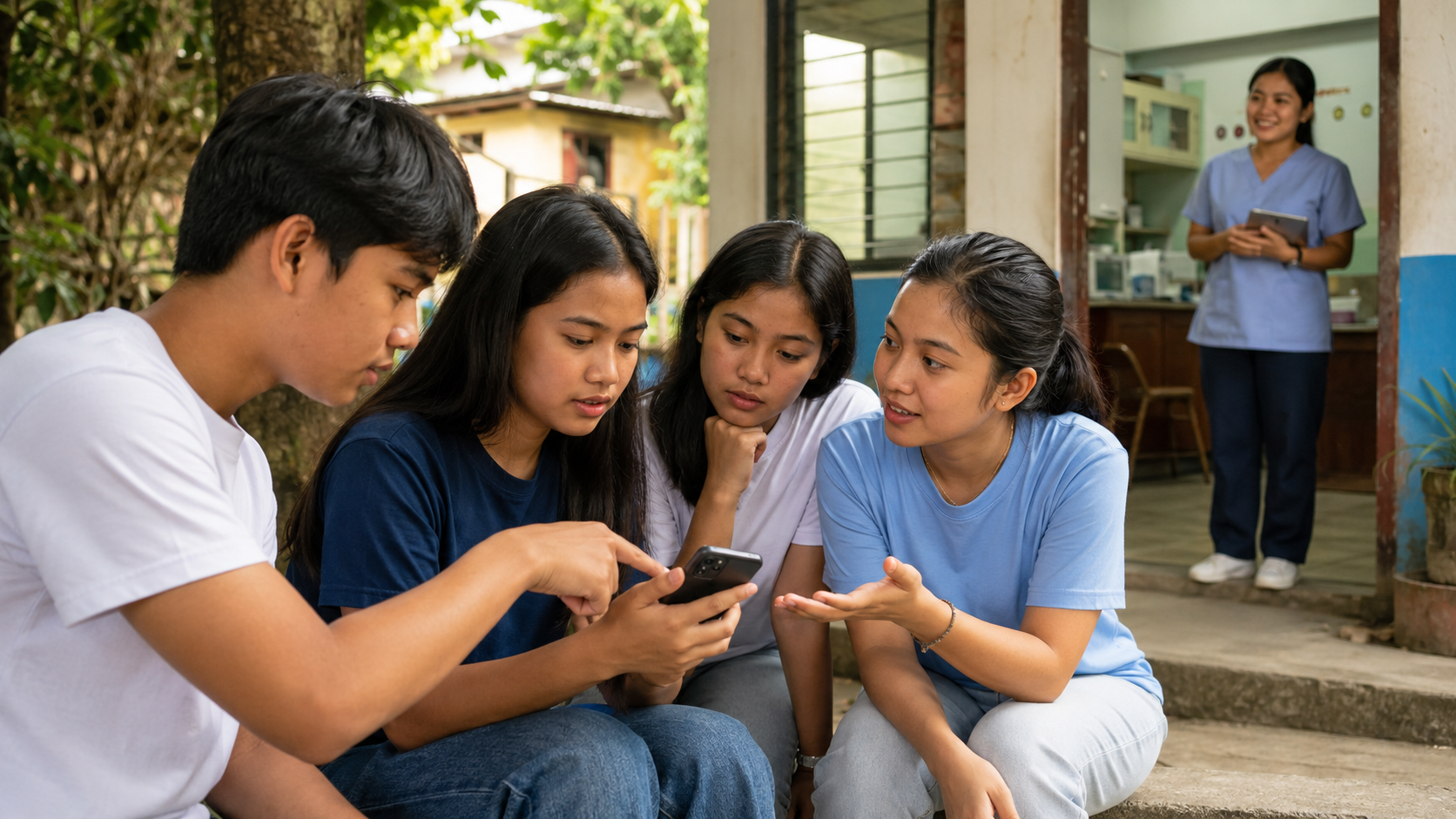
Teenagers often speak to friends before approaching an adult. This reality has encouraged schools and youth groups to develop peer-support initiatives in which selected students receive basic training in active listening, responsible referral, and crisis recognition.
Peer supporters should not diagnose classmates or provide therapy. Their role is to create a safe first point of contact and encourage professional help when necessary. When designed carefully, these programs make mental health conversations feel less intimidating and reduce the idea that seeking counseling is a sign of weakness.
Extending Awareness Beyond the Classroom
School-based programs cannot reach every adolescent. Out-of-school youth, working teenagers, adolescents in remote islands, and young people displaced by disasters may have limited access to guidance counselors.
Barangay health centers, local social welfare offices, faith-based groups, and youth councils therefore have an important role. Community seminars can combine mental health education with information about reproductive health, substance-use prevention, nutrition, and protection from violence.
Digital services are also becoming more relevant. Hotlines, online counseling, and social-media information campaigns can reach teenagers who are reluctant to visit a clinic. However, digital mental health content must clearly distinguish professional guidance from unverified advice shared by influencers.
The World Health Organization’s adolescent health resources emphasize that adolescent well-being is shaped by mental health, family relationships, education, safety, nutrition, and access to appropriate services. This broader approach is particularly relevant in the Philippines, where economic inequality and geographic barriers affect healthcare access.
Trust and Confidentiality Remain Critical
Awareness campaigns will have limited impact when teenagers fear judgment, punishment, or loss of privacy. Adolescents must know what information will remain confidential and when adults are legally required to intervene for their safety.
The next stage of the Philippine effort is not simply producing more posters or slogans. Effective mental health awareness requires trained personnel, clear referral systems, youth-friendly services, and sustained communication with parents. When young people believe that adults will listen without immediately blaming them, early help becomes far more likely.
About the Author