Access to healthcare remains a significant challenge in the remote regions of the Philippines, where geographical barriers, limited infrastructure, and socioeconomic disparities hinder the delivery of essential medical services. The country’s archipelagic nature, consisting of over 7,000 islands, complicates healthcare accessibility, particularly in areas far from urban centers. Residents in these regions frequently face difficulties in reaching hospitals and clinics, with some communities relying on boat or rugged land travel that can take hours, if not days.
One of the primary barriers to healthcare access in these areas is the shortage of medical professionals. Many doctors and nurses prefer to practice in urban or semi-urban environments where facilities are better equipped, and career opportunities are more abundant. This concentration of healthcare workers in cities leaves rural and remote communities underserved, forcing residents to travel long distances for routine care, emergency services, and specialized treatments.
Infrastructure limitations further exacerbate the problem. Many remote villages lack proper roads, transportation systems, and reliable electricity, which restricts the operation of healthcare facilities and the delivery of medicines. Health centers that do exist often face shortages of essential medical supplies, diagnostic equipment, and pharmaceutical products. In some cases, facilities are only equipped to handle basic health issues, leaving severe or chronic conditions untreated for extended periods.
Socioeconomic factors also play a critical role in healthcare access. Poverty, low levels of health literacy, and cultural barriers can prevent individuals from seeking timely medical attention. High out-of-pocket costs for transportation, medications, and specialized treatments discourage many families from pursuing care until conditions worsen, sometimes resulting in preventable complications or fatalities.
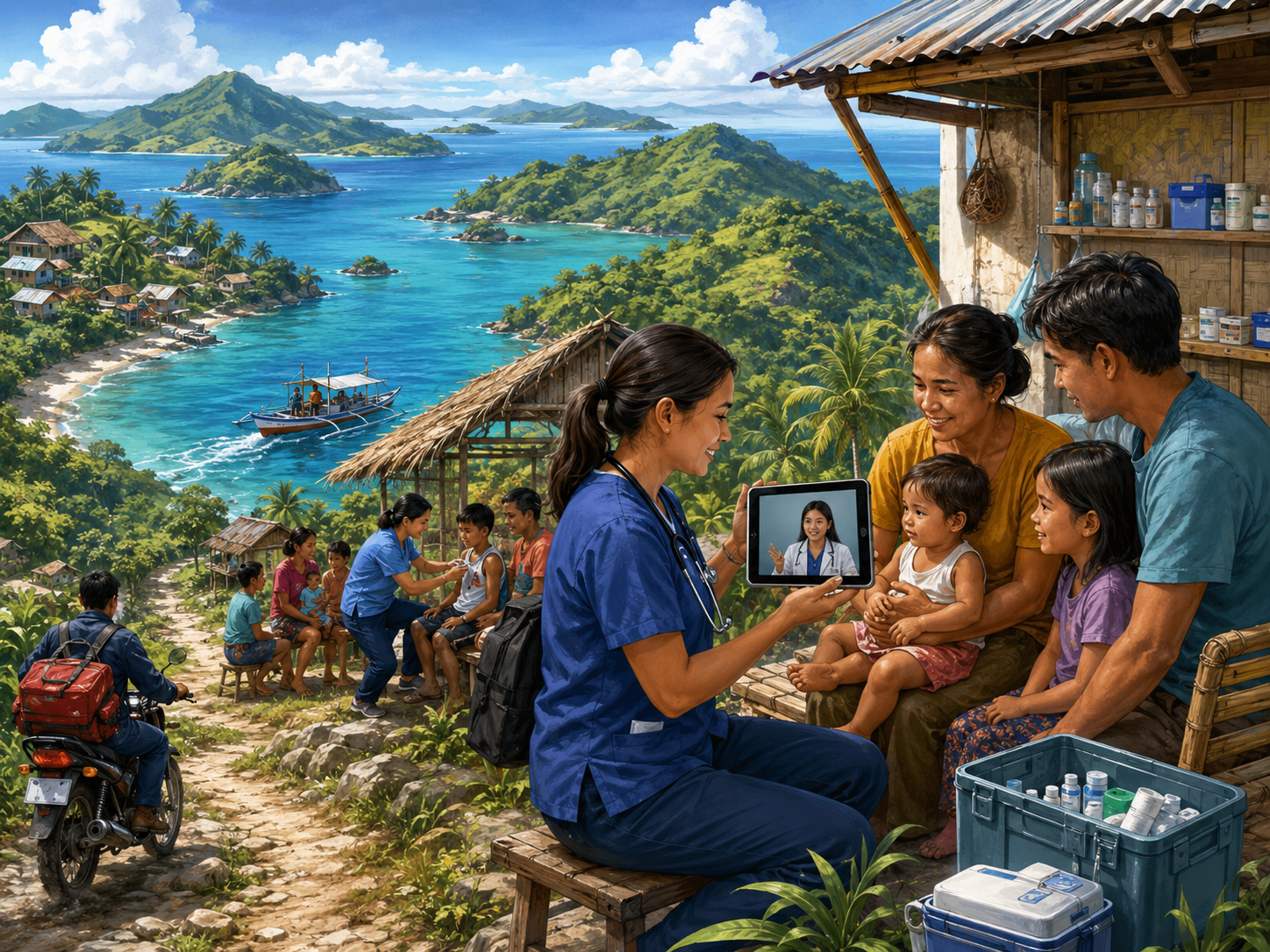
In response to these challenges, the Philippine government and various non-governmental organizations have initiated programs aimed at improving healthcare accessibility in remote areas. Mobile clinics, telemedicine services, and community health workers have been deployed to bridge the gap between patients and medical services. Mobile units travel to isolated villages, providing basic medical consultations, vaccinations, and preventive care. Telehealth platforms enable remote diagnosis and consultation with specialists, reducing the need for physically traveling long distances. Community health workers, often trained locally, serve as vital liaisons between residents and formal healthcare systems, promoting health education and early intervention.
Additionally, partnerships with international organizations have facilitated the donation of medical equipment, funding for healthcare infrastructure, and specialized training for local health practitioners. Government initiatives, such as the expansion of the Philippine Health Insurance Corporation (PhilHealth) coverage to rural populations, aim to reduce the financial burden of healthcare and encourage regular check-ups.
Despite these efforts, substantial work remains to ensure equitable healthcare for all Filipinos. Addressing systemic issues, such as the uneven distribution of healthcare professionals, improving infrastructure, and integrating culturally sensitive education programs, is essential for sustainable progress. Strengthening these aspects could transform healthcare delivery, ensuring that even the most isolated communities receive timely and adequate medical attention.
The situation in the Philippines exemplifies the global challenge of providing healthcare to remote populations, where innovation, investment, and strategic planning must converge to overcome structural, economic, and geographic obstacles. Continuous efforts are crucial to ensuring that distance and location do not determine the quality or accessibility of essential healthcare services.
About the Author