
A System Designed for Sickness, Now Tasked to Keep People Well
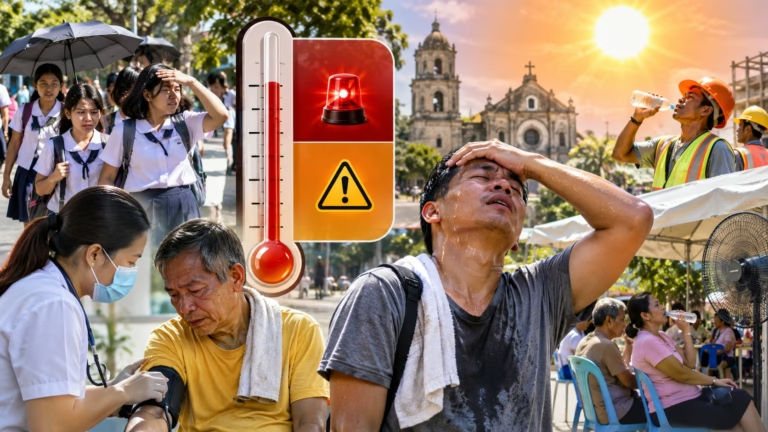
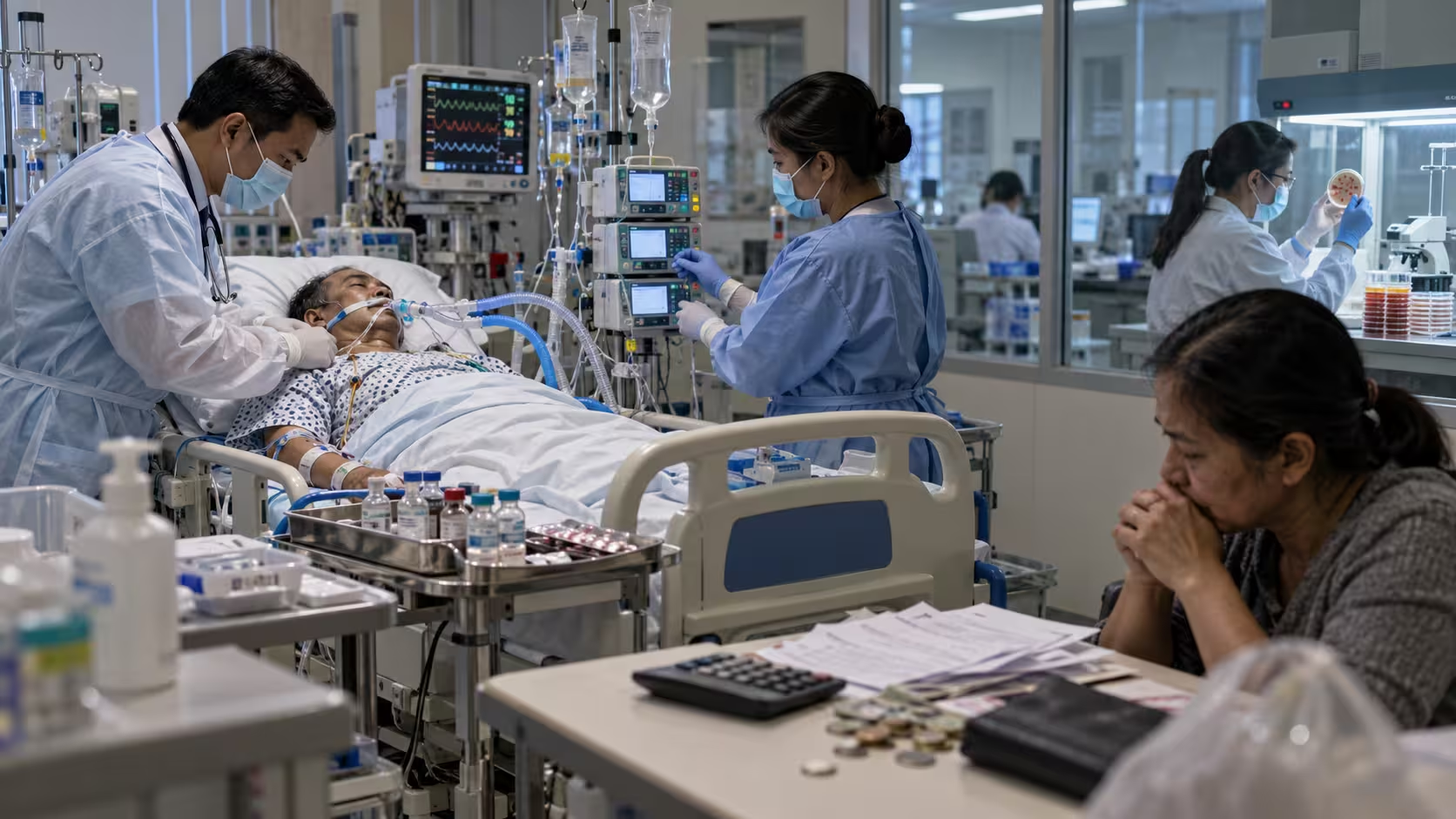
For decades, the Philippine health insurance system operated on a simple, expensive logic: pay for hospital bills after people get sick. PhilHealth’s claims data now exposes the cost of that logic. Approximately 30% of all claims involve ambulatory care-sensitive conditions—illnesses like hypertension, diabetes, and early-stage infections that should have been caught and managed in a primary care clinic, not an emergency room .
The Yaman ng Kalusugan Program, or YAKAP, is the government’s answer to that structural failure. Launched in Metro Manila in July 2025 and expanded nationwide in January 2026, YAKAP is not merely a new benefit package. It is a deliberate attempt to change where Filipinos enter the health system—and when.
The First Patient Encounter as a Data Engine
Under YAKAP, every registered member undergoes a First Patient Encounter (FPE) , a mandatory in-person consultation that establishes a baseline health profile and risk assessment . This is the program’s operational heart. The FPE captures family history, environmental exposures, and lifestyle risks before symptoms appear. The information then guides what tests the primary care provider orders—and what referrals, if any, are necessary.
Dr. Kier M. Tamparong, PhilHealth-7’s accreditation and quality assurance section head, frames this as a cultural intervention as much as a clinical one. “We want to teach our people that health issues can be addressed at the level of primary care,” he said, noting that many Filipinos have developed “poor health-seeking behavior” after years of limited access and out-of-pocket costs .
Capitation and the Politics of P1,700
The financing mechanism behind YAKAP is capitation: partner health facilities receive a fixed P1,700 per member annually . Tamparong explains that this design discourages unnecessary laboratory requests and forces providers to prioritize medically indicated tests. The figure is not a credit limit; members can access all covered services without additional charges, though private providers may collect up to P900 in copayment.
The benefit basket includes free consultations, a defined laboratory panel (complete blood count, lipid profile, fasting blood sugar, HbA1c, chest X-ray, ECG, Pap smear, and others), and cancer screening for breast, liver, colorectal, and lung cancers. An initial list of 21 essential medicines covers common chronic conditions, with amoxicillin, amlodipine, losartan, and aspirin among the included drugs .
The 40-Million-Patient Question
By May 2026, PhilHealth reported approximately 40 million enrolled members in YAKAP, with enrollment growing 30 to 40 percent monthly . PhilHealth President Edwin Mercado acknowledged that between 33 and 35 percent of current inpatient cases remain ambulatory care-sensitive—meaning the system is still paying for preventable hospitalizations even as enrollment expands .
The P60 billion returned to PhilHealth after the Supreme Court ruled its transfer to the national treasury unconstitutional in December 2025 is now financing much of this expansion. Benefit payments for 2026 are projected at P378 billion to P400 billion, exceeding combined member contributions and government subsidies .
What the Shift Still Requires
The program’s most stubborn obstacle is behavioral. In Calabarzon, PhilHealth Region IV-A Field Operations Chief Arturo Ardiente admitted that “the number of people getting check-ups remains very low even though services are free” . YAKAP’s success depends less on accreditation numbers—Cordillera’s clinics already hit 164% of their target —and more on whether Filipinos who feel healthy will walk into a clinic before they have a reason to.
About the Author