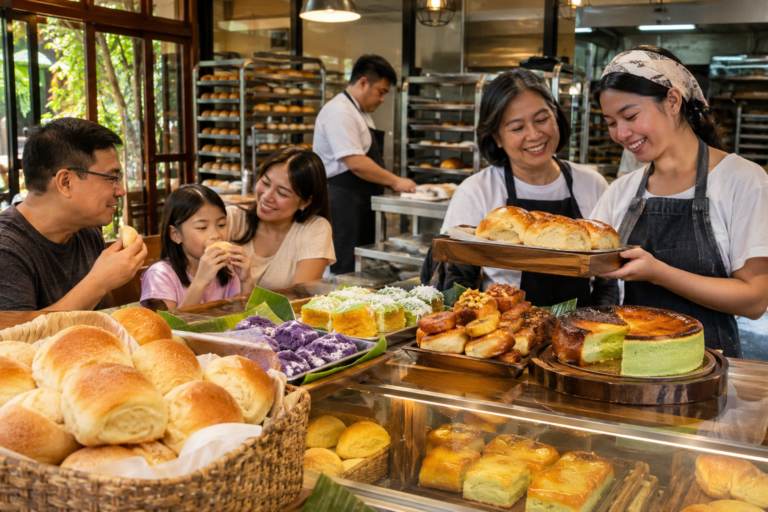
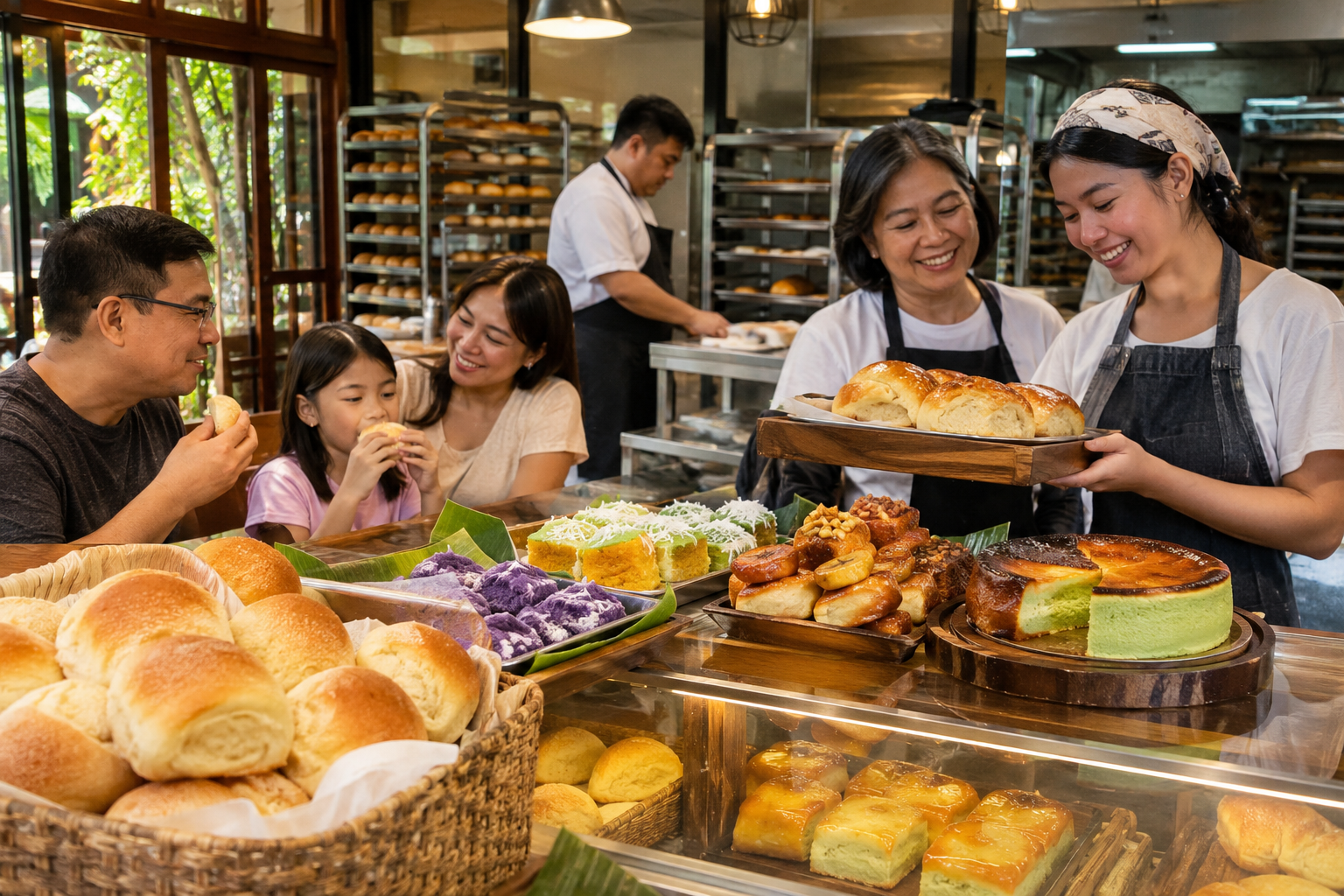
The Filipino bakery is undergoing a quiet but radical transformation, and the proof is in the loaf. Across Metro Manila, a new generation of bakers is taking the humble pandesal—long dismissed as the “poor man’s bread”—and subjecting it to the rigorous techniques of artisan sourdough. The result is a product that honors tradition while demanding a second look from a market increasingly obsessed with craft, fermentation, and provenance.
From Community Staple to Cult Favorite
At Panaderya Toyo in Makati, the Potpot Pandesal undergoes an overnight fermentation process using a naturally leavened starter, yielding a crust that crackles and an interior with the open, custardy crumb typically associated with European country loaves . The bakery, an offshoot of the acclaimed Toyo Eatery, reopened in 2026 after a three-year hiatus and now sells out its limited daily production with regularity. This is not the pandesal of memory—soft, uniform, and designed for dunking—but a deliberate reinterpretation that treats the form as a canvas rather than a constraint.
The movement extends beyond a single establishment. Maker and Made in BGC bakes a sourdough pan de sal using a 160-year-old French heritage starter, folding Filipino identity into a technique with European roots . Conspire Bakery in Quezon City offers a sourdough pandesal with a crusty exterior and chewy interior at price points accessible to the surrounding residential community . What unites these efforts is a shared refusal to accept that tradition and innovation must occupy separate realms.
The Economics of Fermentation
This revival is not merely aesthetic. The Philippine bakery industry, valued at approximately USD 3.7 billion in 2025, faces structural pressures that make differentiation a survival strategy . Small community bakeries have spent years absorbing rising costs of imported flour, fuel, and shortening while keeping pandesal prices artificially low—often at two to five pesos per piece . The sourdough route offers a path out of that race to the bottom. By repositioning pandesal as a premium product with a story, bakers can command prices that reflect the labor and time invested.
The Manila Standard reported in March 2026 that Bakery sa Pureza, a 41-year-old institution near Polytechnic University of the Philippines, reopened after a devastating fire with a refreshed industrial-style interior while deliberately keeping its recipes untouched . The owners understood that the building could change; the taste could not. That same instinct—preserve the soul, renovate the shell—animates the sourdough wave. The fermentation may be longer, the crust darker, the price higher, but the emotional contract with the customer remains intact.
What Comes Next
The sourdough pandesal phenomenon signals a broader maturation in Filipino consumer culture. As disposable incomes rise and social media amplifies niche food discoveries, the panaderya is no longer just a utility. It is a destination. For bakers willing to invest in starter maintenance, temperature control, and the patience that natural leavening demands, the rewards extend beyond margins. They are rewriting what Filipino bread can be—one loaf at a time, without abandoning the neighborhood that raised them.
About the Author