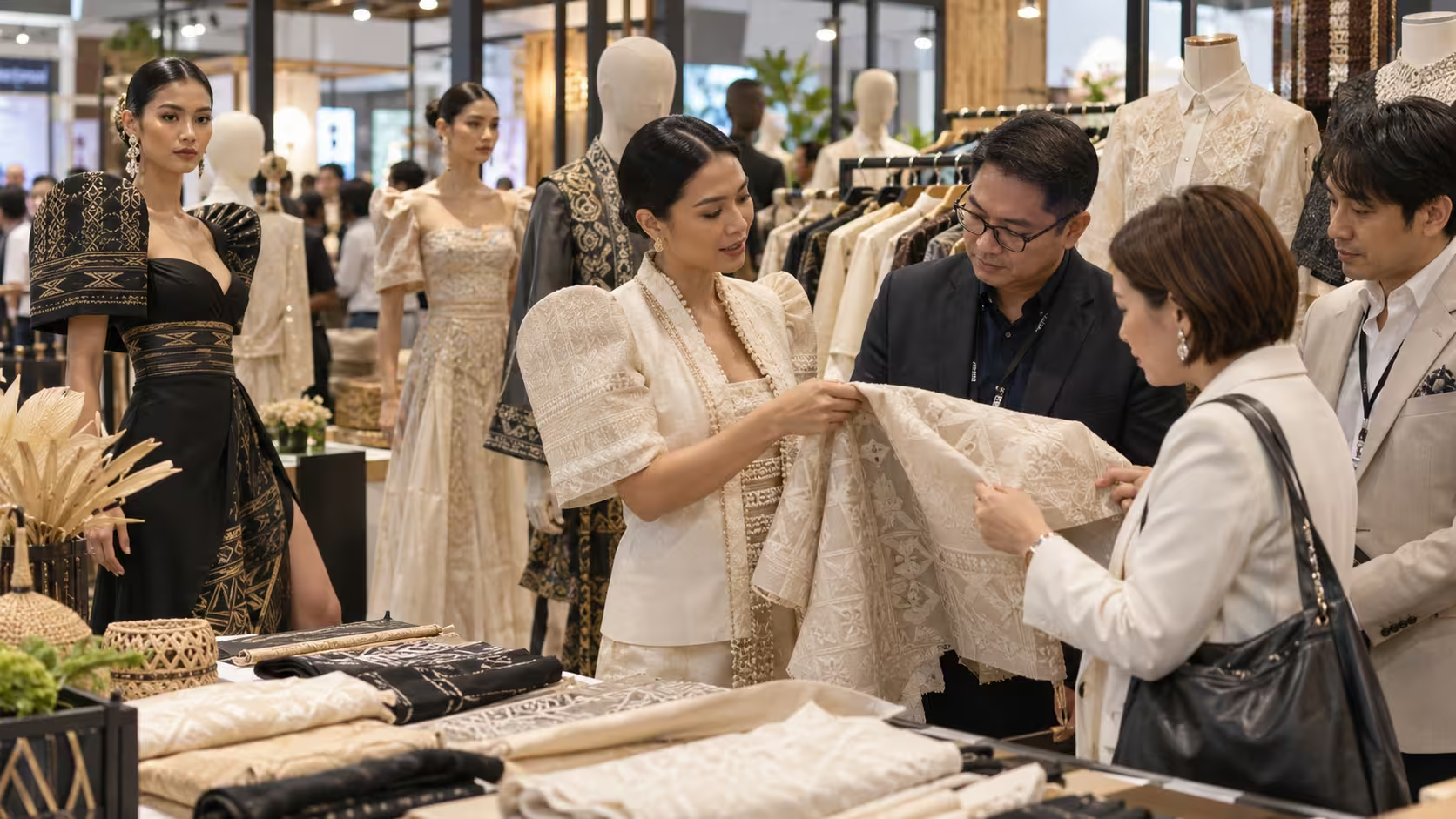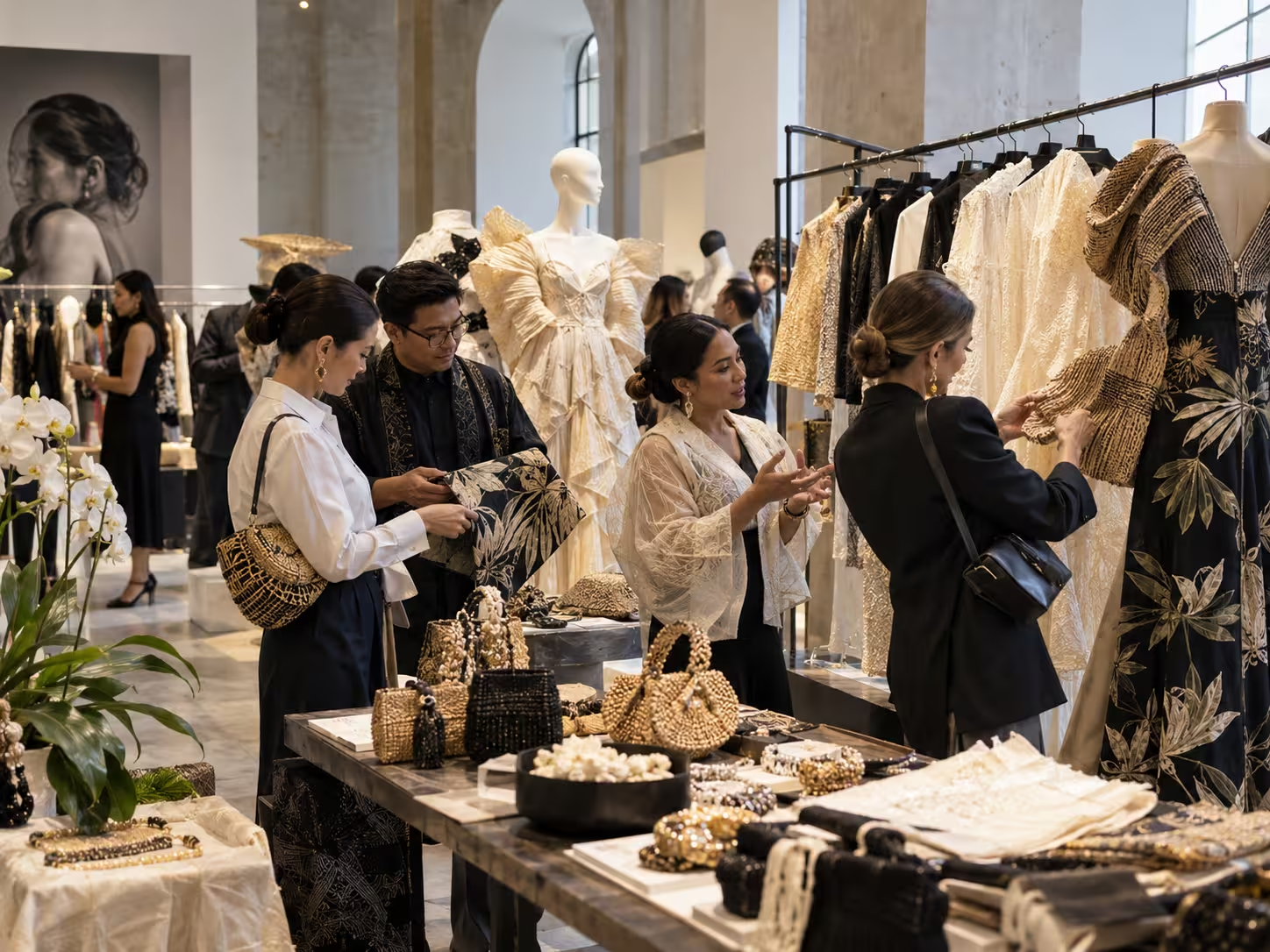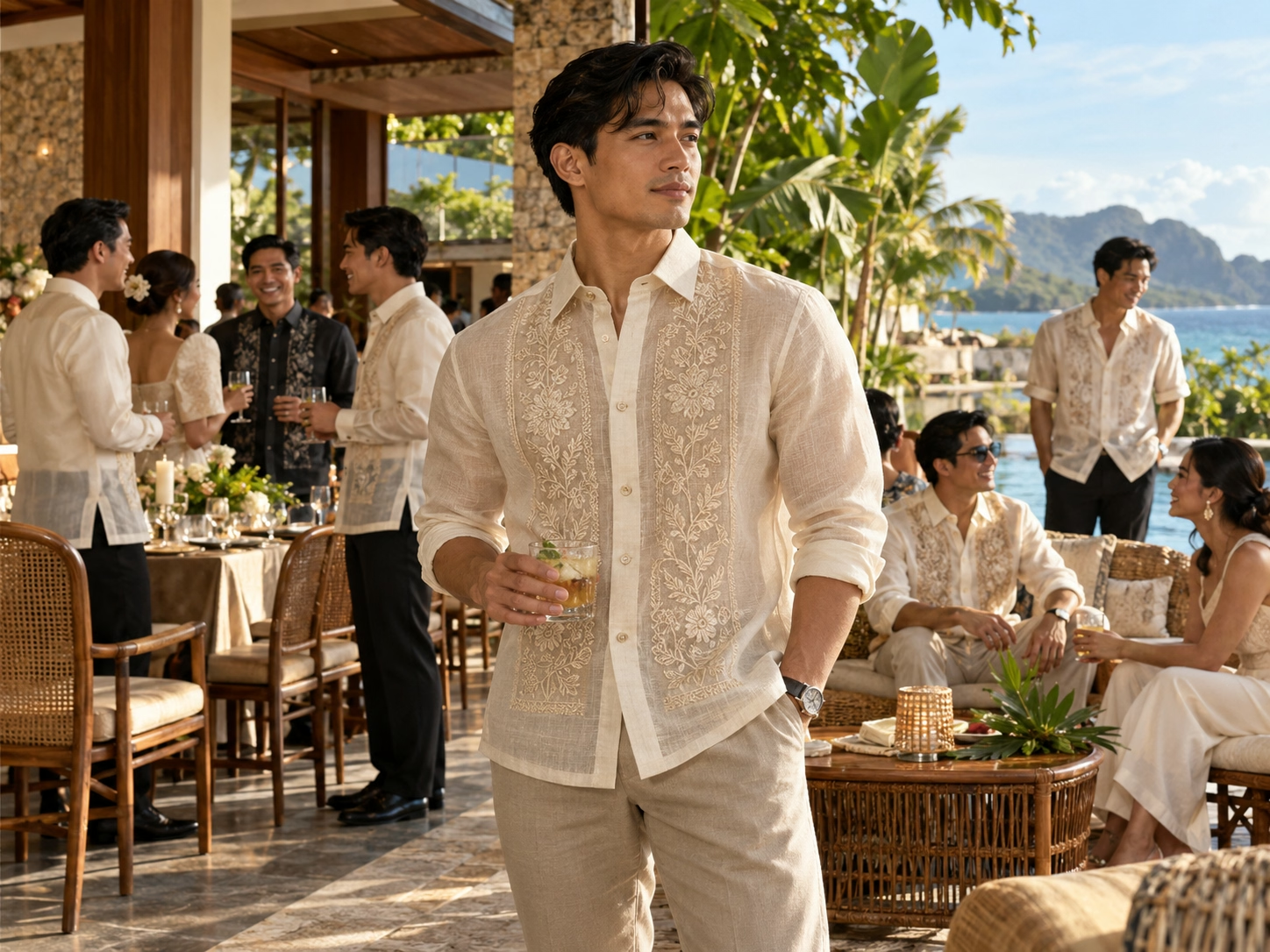
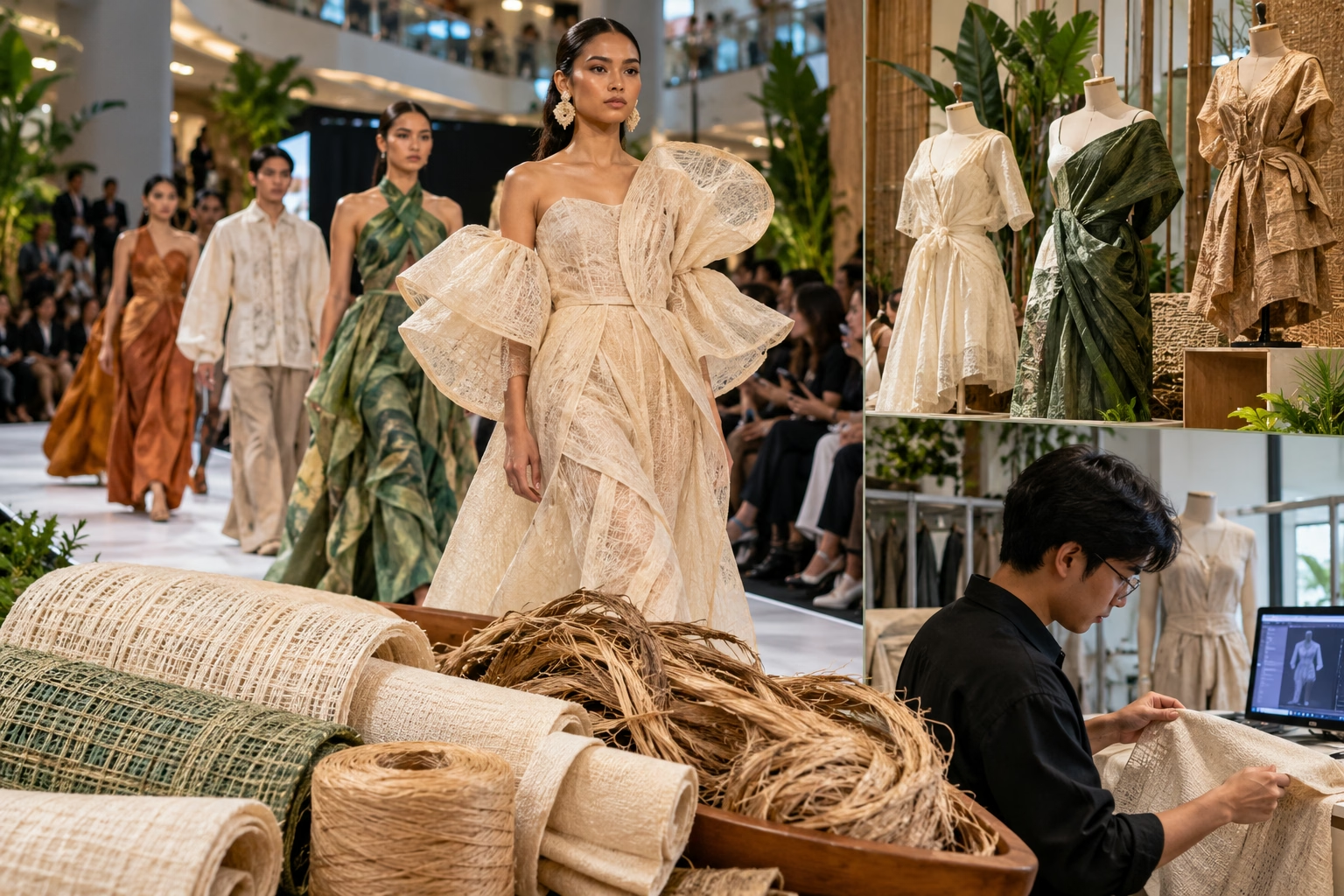
When MNL Fashion Week returned to the SMX Convention Center at SM Aura Premier from September 3 to 6, 2026, it did so with a quietly ambitious proposition: that a Manila fashion week could be both intensely local and unmistakably regional. The second edition brought 11 Filipino labels onto the runway, alongside visiting press, creators, and celebrities from across Southeast Asia, turning a four-day schedule into a test case for how Philippine fashion wants to be seen.
From BYS to MNL: A Platform With a Wider Ambition
The event formerly known as BYS Fashion Week has never been a simple rebrand. Founder and executive director John Lozano has described the shift as an attempt to build a fashion week that treats designers as brands with distinct identities rather than interchangeable slots on a calendar. That curatorial logic shaped the 2026 lineup, which moved across minimalism, streetwear, heritage craft, and maximalism without forcing coherence where friction was more interesting.
A Lineup That Reads Like a Generation’s Mood Board
The official roster included Antonina, HA.MÜ, Yong Studio, Charlotte Folk, Randolf, Nicolò, Proudrace, Lorico, Lilah Roché, Yana Kalaw Studios, and Killjoy Studios. What mattered was not the number but the range. Nicolò opened the week with a meditation on ambition; Randolf turned a family bereavement into a study of transition; Proudrace pushed deconstruction into a language of belonging. Each show carried a point of view strong enough to justify its own audience.
Regional Guests, Local Stories
The front row told its own story. Thai actors, Vietnamese fashion creators, and Indonesian models and brand directors were among the international guests expected in Manila, while L’Officiel Malaysia covered the collections for readers across the region. The presence of regional media matters because it changes the feedback loop: Filipino designers are no longer only performing for a domestic industry but for a Southeast Asian audience that can contextualize their work within a broader aesthetic conversation.
The Business of Being Seen
Lozano has been explicit that MNL Fashion Week is not trying to compete with other Philippine fashion events but to make fashion more accessible and to bring the local community together. That accessibility is also commercial. By favoring designers who operate as functional brands, the platform tries to connect runway experimentation with clothes people can actually wear and buy. In a market where emerging labels often struggle to convert visibility into sustainability, that bridge is as important as any runway review.
Vogue Philippines captured the stakes succinctly: MNL Fashion Week is now “more than a schedule of runway shows,” functioning as “a haven and incubator where established and next-generation Filipino designers develop their identities, build their brands, and showcase their collections to the world”. The second edition did not resolve every question about funding, buyer access, or international export. It did, however, demonstrate that Manila can host a fashion week with a curatorial argument — and that argument is beginning to travel.
About the Author