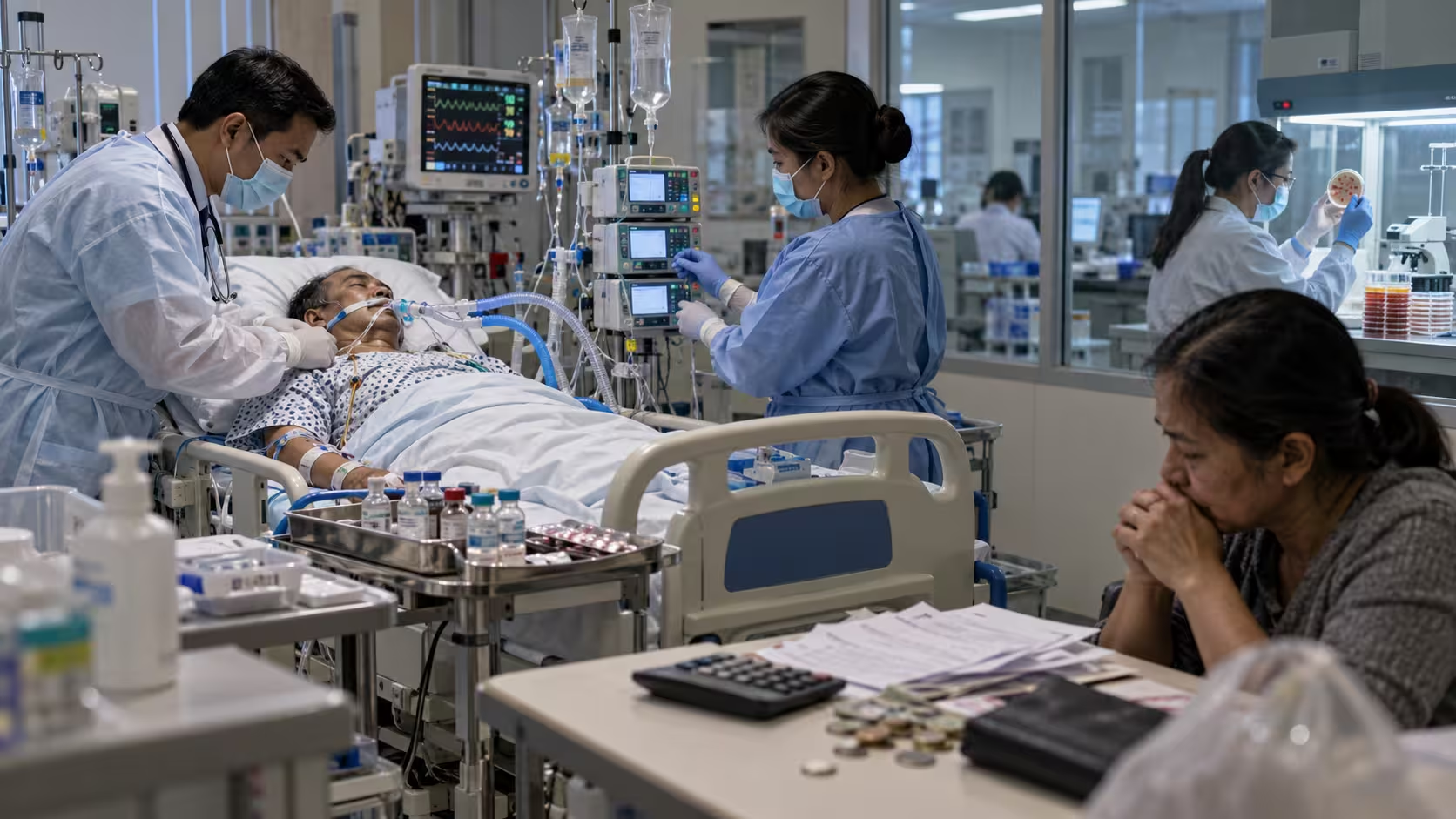
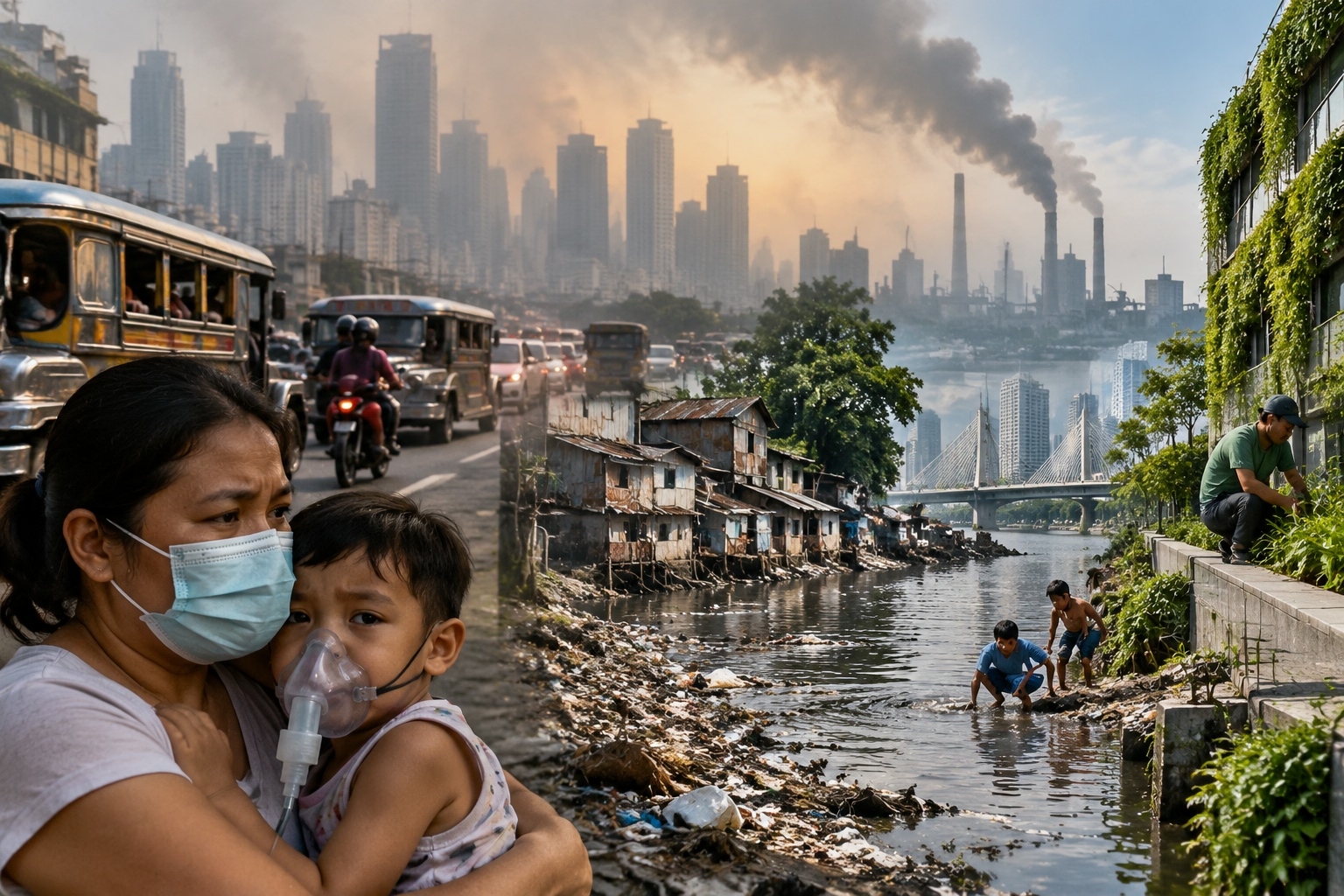
The dense urban sprawl of Metro Manila has long been a hub of economic activity, but in 2026, it stands as a stark testament to the public health repercussions of environmental degradation. Medical professionals and environmental scientists are increasingly sounding the alarm regarding the “silent epidemic” of respiratory and waterborne diseases stemming directly from compromised air and water systems.
The Invisible Threat: Vehicular Emissions and Industrial Fallout
The air quality index (AQI) in key cities like Quezon City and Makati frequently spikes into the “unhealthy” zone, particularly during the dry months from March to May. The primary culprits remain antiquated diesel engines, particularly in public utility jeepneys, and unregulated industrial emissions from nearby provinces like Bulacan and Cavite.
Recent data from IQAir’s 2026 live monitoring indicates that the PM2.5 concentration in Metro Manila often exceeds the World Health Organization (WHO) guidelines by a factor of four to six. These fine particulate matters are not just an outdoor nuisance; they penetrate indoor spaces, exacerbating cases of childhood asthma and chronic obstructive pulmonary disease (COPD). Hospitals like the Philippine General Hospital (PGH) have reported a 15% surge in respiratory admissions compared to the previous year, indicating a strain on the healthcare infrastructure.
Water Security and the Rise of Cholera in Urban Barangays
While air pollution dominates headlines, the water crisis is a more immediate killer. The reliance on deep wells and aging pipe infrastructure has led to cross-contamination between sewage lines and potable water sources. In low-lying areas such as Tondo and Navotas, the risk of leptospirosis and cholera spikes sharply following the typhoon season.
A critical report published by the World Health Organization (WHO) Philippines in early 2026 highlights that despite significant GDP growth, access to safely managed drinking water remains stagnant at around 47% nationwide. The report links this gap directly to the resurgence of diarrheal diseases in informal settlements. The government’s “Water Security Plan 2026” aims to rehabilitate the main conveyance systems, but for many residents living near the Pasig River, where coliform bacteria levels are catastrophically high, the change cannot come soon enough.
Innovative Solutions: Green Infrastructure and Policy Shifts
The current administration is pivoting toward “Green Urbanism” as a mitigating factor. The Department of Environment and Natural Resources (DENR) has intensified its crackdown on factories violating the Clean Air Act, while the Department of Health (DOH) is rolling out “Healthy Hearts and Lungs” clinics specifically in areas with high AQI readings.
Furthermore, local government units (LGUs) are investing in vertical gardens and permeable pavements to combat the urban heat island effect and reduce runoff pollution. In Pasig City, a pilot project converting waste materials into eco-bricks for flood barriers is gaining traction. While the challenges are massive, the convergence of data-driven policy and community-level resilience offers a tentative roadmap for recovery.
The Economic Burden on Filipino Families
The financial toll of this crisis is devastating. The Philippine Statistics Authority (PSA) estimates that productivity losses due to air and water-related illnesses cost the economy billions of pesos annually. For a minimum-wage earner, a single hospitalization due to dengue or severe diarrhea can wipe out months of savings. This economic pressure creates a vicious cycle where families are forced to live in cheaper, more polluted areas, perpetuating the health crisis.
About the Author